First-Time Buyers' Roadmap: Navigating São Paulo's Affordable Housing Renaissance
New government initiatives and emerging neighbourhoods are reshaping homeownership opportunities for young Paulistas—here's where to look and what to know.
New government initiatives and emerging neighbourhoods are reshaping homeownership opportunities for young Paulistas—here's where to look and what to know.
Listen to this article · 4:03
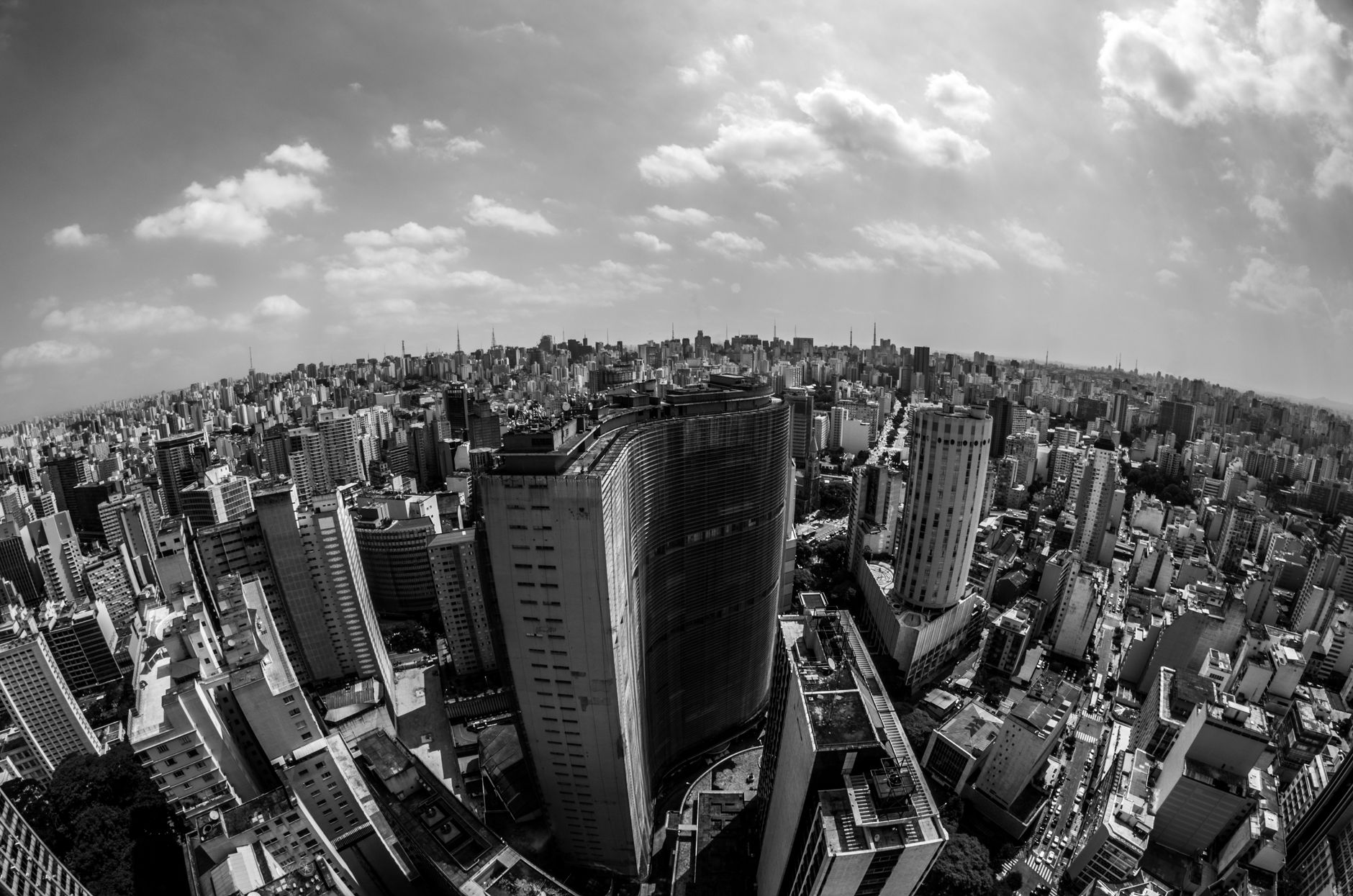
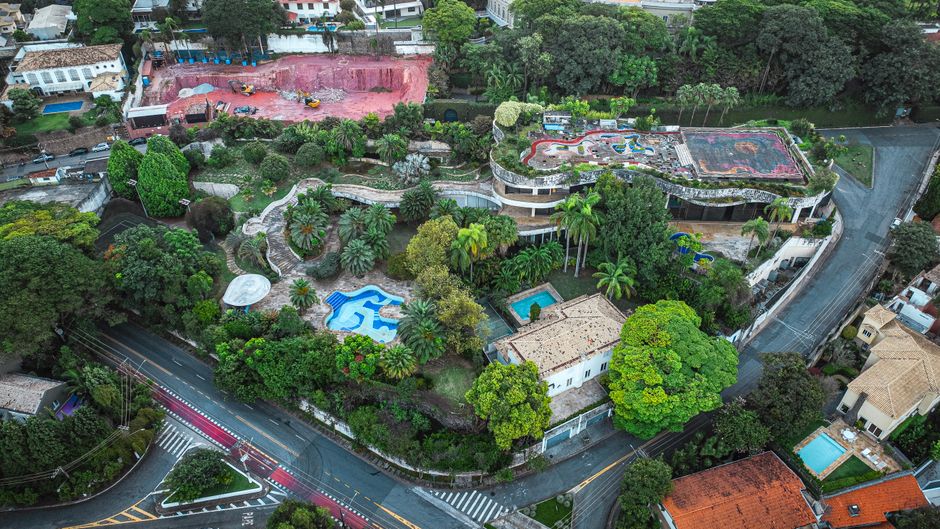
São Paulo's housing market is shifting beneath the feet of first-time buyers. While Jardins and Pinheiros remain locked behind five-figure square-metre prices, a confluence of policy changes and neighbourhood revitalisation is carving fresh pathways to ownership across the city.
The federal government's expanded social housing programme, now emphasising mixed-income developments, has opened doors in traditionally overlooked zones. Tatuapé and Mooca—once dismissed as purely industrial—are experiencing genuine transformation. Here, newly completed residential clusters near the Metrô system are trading at 6,500–7,500 BRL per square metre, a meaningful discount against the city's 10,000 BRL average. The Tatuapé Cultural Quarter development, anchored by museums and refurbished public spaces, has drawn young professionals seeking authenticity over prestige.
Vila Madalena presents a middle path. The neighbourhood's bohemian reputation and proximity to Pinheiros have kept it vibrant without pricing out emerging buyers entirely. Properties average 8,500–9,500 BRL per square metre, with recent launches offering modest two-bedroom units in renovated heritage buildings—appealing to those wanting character without Villa-level costs.
First-time buyers must understand the mechanics of current financing. Caixa Econômica Federal and Banco do Brasil have adjusted loan-to-value ratios for properties under 500,000 BRL, reducing down-payment requirements from 20 per cent to 10 per cent in designated affordable zones. However, interest rates remain elevated; buyers should model repayment scenarios carefully before committing.
The city's Programa Minha Casa São Paulo has reshuffled expectations. Rather than waiting years on traditional waiting lists, applicants can now bid on existing stock in completed projects across the periphery—neighbourhoods like Itaquera and Parelheiros. While commute times test patience, these areas offer ownership at 4,500–5,500 BRL per square metre.
Due diligence matters immensely. Verify that developments hold all municipal permits and that builders have no outstanding legal disputes through the Corregedoria-Geral de Justiça. Check transport connectivity: proximity to Metrô or BRT corridors (like Corredor Expresso Tiradentes) dramatically affects both liveability and resale potential.
Community resources matter. Organizations like COHAB-SP and regional housing associations offer workshops on financing, legal rights, and neighbourhood selection. The Secretaria de Habitação maintains updated databases of available projects and eligibility criteria—often more current than real-estate websites.
The window is real but finite. Policy momentum, construction costs, and interest rates shift unpredictably. Serious buyers should act decisively once they've identified a neighbourhood alignment—whether that's the emerging dynamism of Tatuapé, the cultural continuity of Vila Madalena, or the affordability calculus of the city's outer rings.
This article was compiled by AI and screened before publishing. See our editorial standards.
How does this story make you feel?
Spread the word
About this article
Published by The Daily São Paulo
Daily brief
Free, in your inbox before 7am. Weekdays.
More in Property