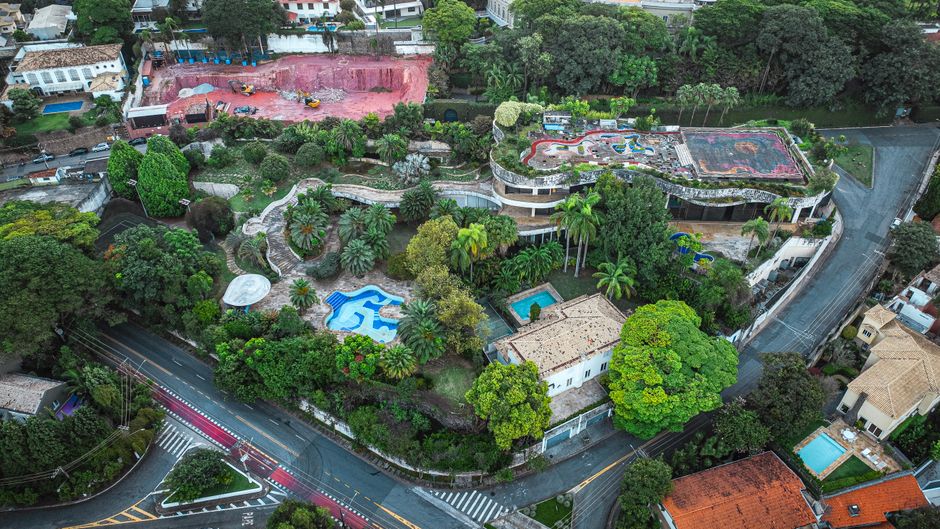
São Paulo's luxury property market is experiencing a seismic shift as the municipal government's revised zoning regulations reshape development patterns across the city's most coveted neighbourhoods. The new mixed-use mandates, which require ground-floor commercial or service spaces in residential towers, are already triggering strategic recalculations among high-end developers who have long focused purely on residential prestige.
The policy, formally introduced through amendments to the city's 2014 Master Plan and refined over recent months, specifically targets corridors along Avenida Paulista, Rua Iguatemi in Itaim Bibi, and the burgeoning Vila Madalena expansion zones. For luxury segments—currently averaging BRL 25,000 to BRL 35,000 per square metre in Pinheiros and Jardins—the implications are substantial. Developers must now allocate between 15 and 25 percent of ground-floor space to retail, wellness facilities, or dining venues, fundamentally altering project economics and buyer value propositions.
The rationale is urban activation: municipal planners argue that street-level vitality prevents the lifeless, gated-community feel that has plagued some residential-only towers in Itaim Bibi and neighbouring zones. Early reactions have been mixed. Some high-net-worth buyers view the mandate as a positive—proximity to curated dining and boutique services elevates lifestyle appeal. Others worry that commercial tenancy uncertainty and foot traffic compromise privacy and security expectations that justify ultra-premium pricing.
Real estate consultancies tracking Zona Sul transactions note that projects already approved under previous zoning frameworks are now commanding premiums as scarcity value kicks in. Conversely, properties marketed in newly regulated zones are experiencing slight pricing pressure as buyers digest revised floorplans and lease-dependent revenue models.
The Prefeitura's Environmental and Urban Planning Secretariat has indicated that enforcement will intensify in 2026-2027, with particular focus on the Tatuapé and Mooca corridors—traditionally growth neighbourhoods now attracting developer interest as premier zones become more constrained. This geographical shift is expected to redistribute luxury investment southward and eastward, challenging the historical dominance of Pinheiros as São Paulo's most exclusive enclave.
For investors and buyers, the lesson is clear: policy agility matters as much as location fundamentals. The ultra-luxury segment, long insulated from municipal intervention, is discovering that master planning transcends affordability rhetoric. Strategic positioning now requires understanding not just where São Paulo's elite want to live, but how the city intends to make them live.
This article was compiled by AI and screened before publishing. See our editorial standards.