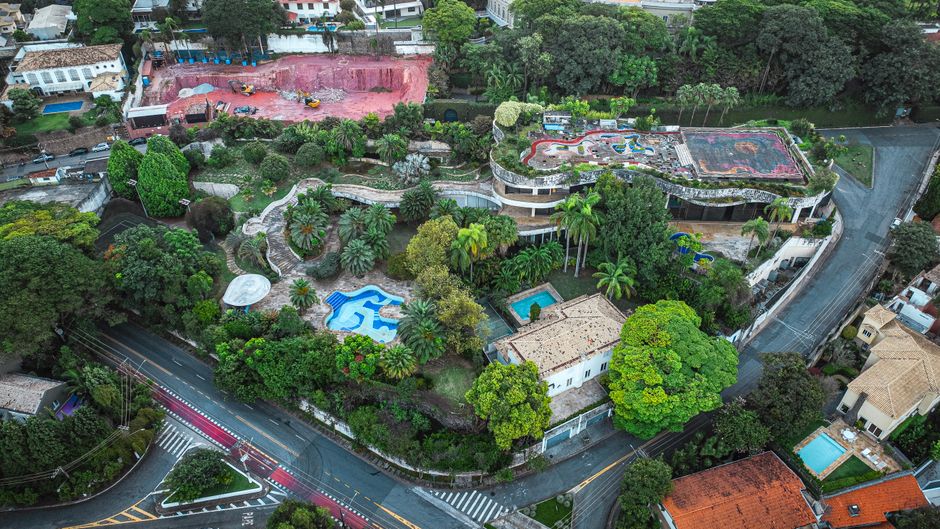
São Paulo's first-home buyer market is experiencing a quiet revolution. While established neighbourhoods like Jardins and Pinheiros remain anchored above BRL 15,000 per square metre, a wave of new residential developments in emerging zones is reshaping where young buyers can realistically enter the property market.
The transformation is most visible in Tatuapé and Mooca, where major projects have begun delivery in the past 18 months. Average prices in these zones hover around BRL 9,500–11,000 per square metre—substantially below premium inner-west areas, yet with significantly improved infrastructure. The arrival of modern apartment complexes along Avenida Radial Leste and near the Tatuapé subway station has attracted serious first-time buyer interest, particularly among professionals working in the financial district near Avenida Paulista.
What makes these developments particularly attractive is alignment with government financing incentives. Programs such as Minha Casa, Minha Vida continue to support qualifying buyers, while Caixa Econômica Federal offers competitive rates on properties within designated growth corridors. Developers increasingly market units directly to first-home buyers, with many offering five-year payment plans during construction phases—allowing buyers to lock in prices before final delivery.
Vila Madalena, traditionally viewed as trendy but expensive, has also seen developer activity shift towards mixed-income projects. New launches between Rua Mourato Coelho and Avenida Peruíbe are introducing more modest floor plates—60–75 square metres—at entry-level price points, making the neighbourhood accessible to younger demographics without requiring a seven-figure investment.
The timing matters strategically. As construction completes in these emerging zones, infrastructure follows: improved public transport, retail precincts, and service hubs. Buyers purchasing off-the-plan in 2026 are banking on this cycle—securing below-market entry prices before neighbourhood consolidation pushes valuations upward.
Financial advisors recommend first-time buyers focus on three variables: proximity to established metro lines, developer track record, and realistic absorption timelines. A BRL 500,000 purchase in Tatuapé today—achievable with government support and a modest deposit—represents vastly different opportunity than the same capital deployed in Ibirapuera or Itaim Bibi.
The emerging strategy for São Paulo's first-home buyers is no longer about waiting for inner-west affordability. Instead, it's about timing new developments in high-growth zones, understanding financing mechanics, and recognising that today's fringe neighbourhood becomes tomorrow's established address. For those willing to look beyond traditional postcodes, the market has genuinely shifted in their favour.
This article was compiled by AI and screened before publishing. See our editorial standards.