news
São Paulo's Multicultural History Shapes How Residents Build Community Connections Today
The city's long-standing multicultural makeup and preference for group connections explain current ways residents form ties and access activities.
How we reported this
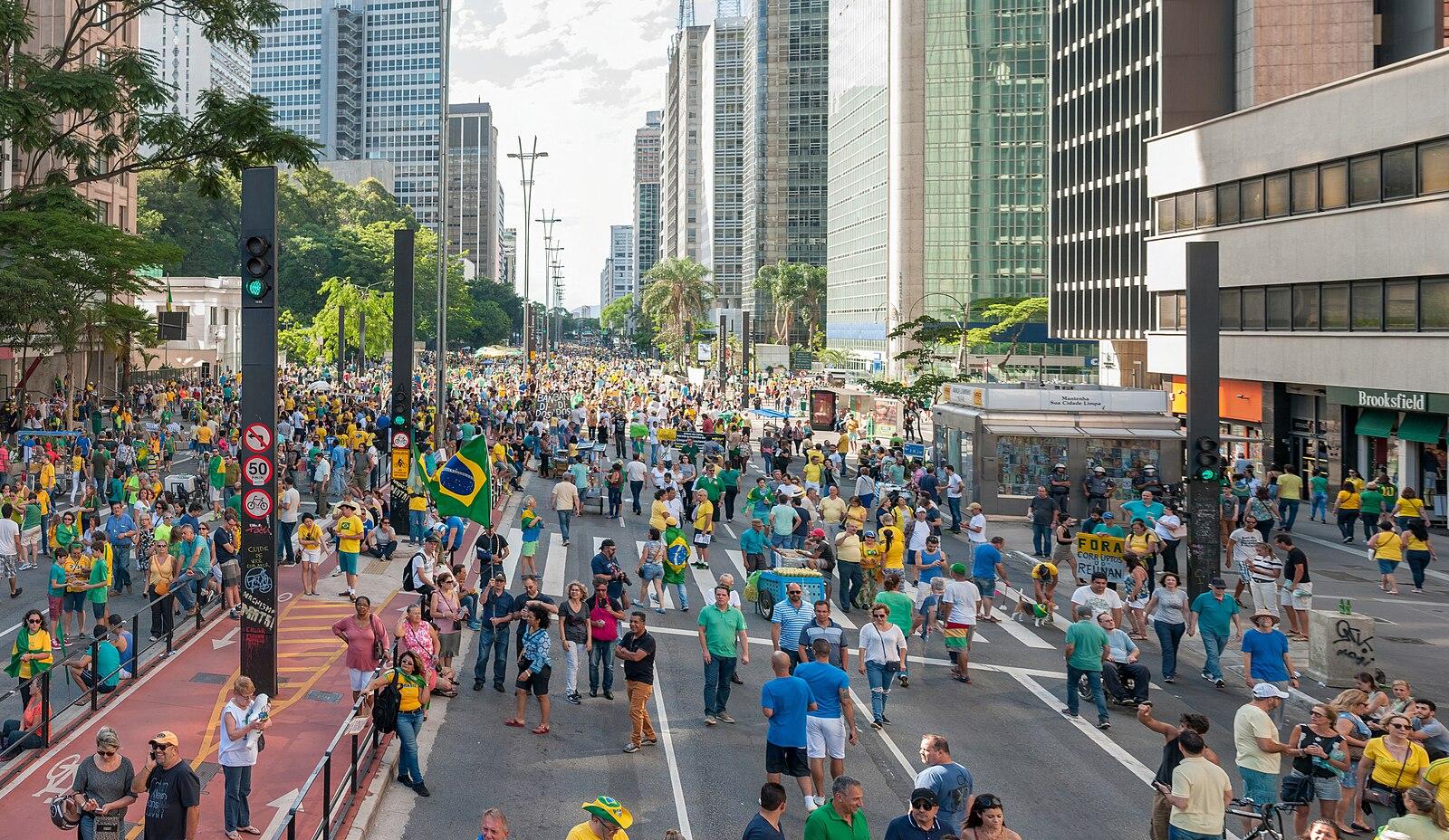
São Paulo is Brazil's most multicultural city, with 50% of its 12 million inhabitants having full or partial Italian ancestry alongside thriving Japanese, Arab and Italian diasporas. These populations have shaped how people meet and build relationships through shared groups rather than one-on-one introductions first.
Multicultural Foundations
Paulistanos are described as warm and physically affectionate in greetings, with social ties typically developing inside existing circles such as sports teams or neighborhood associations before extending to individuals. This pattern stems directly from the scale of the diasporas that arrived over decades and created parallel community structures across the city.
Group-Based Connections Today
Newcomers and singles often turn to language exchanges, soccer clubs, neighborhood associations and online expat groups such as Americans in Sao Paulo on Facebook. These options align with the established preference for collective entry points, which influences dating and daily socializing in practice.
Periphery Networks and Pride Events
Strong community formation occurs in areas such as Zona Sul, where residents create solidary relations and collective networks to manage local pressures. The same group orientation appears in the city's LGBTQ+ population, where 9.6% of males and 7% of females identify as non-heterosexual, supported by the annual São Paulo Gay Pride Parade that draws over 5 million participants.
High School Athletics as an Example
Organized group activities also appear in the São Paulo High School League, which includes Graded, PACA, Chapel School, St. Paul's and the American School of Campinas. The league runs boys' and girls' soccer, basketball and cheerleading in the first semester and futsal and volleyball in the second, with practices scheduled at 3:35-4:40 p.m. and 4:50-5:55 p.m. at member schools. These programs emphasize teamwork and sportsmanship over results alone.
Residents seeking involvement can start with the same group routes already used by locals: neighborhood associations, soccer clubs or the listed high school league contacts. This approach matches the documented pattern of entering social circles first before forming individual links.