news
São Paulo Strengthens Community Bonds Through Local Sports Leagues
Neighborhood groups, school sports programs and established meeting points help residents form relationships in the city's diverse setting.
How we reported this
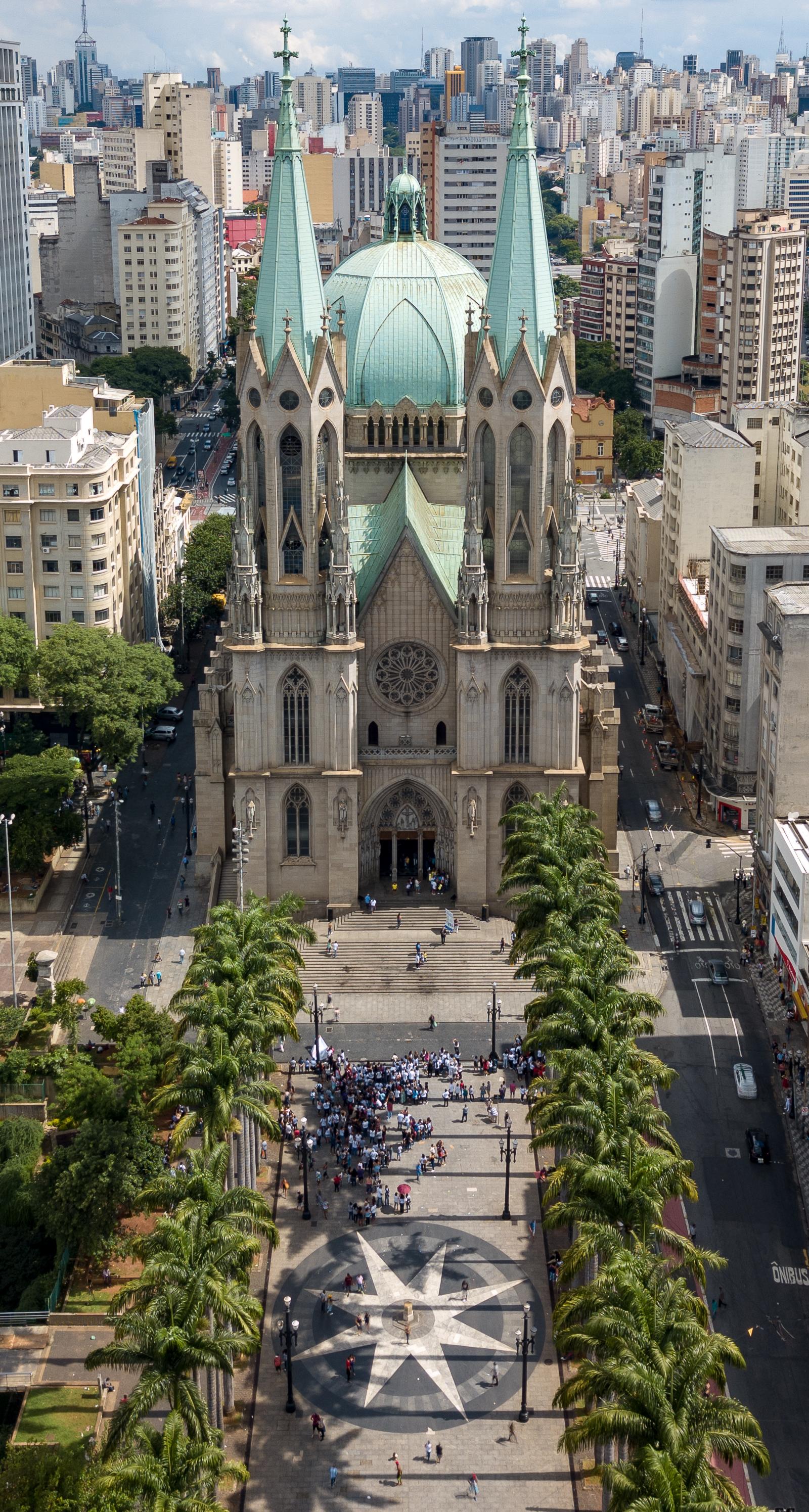
São Paulo draws on neighborhood associations, school athletics leagues and longstanding food destinations to help residents build social ties. The approach centers on group activities that match the city's pattern of forming connections first through shared activities before moving to individual links.
School Athletics as a Structured Pathway
The São Paulo High School League organizes competitions across five member schools: Graded, PACA, Chapel School, St. Paul's and the American School of Campinas. Teams compete in soccer, basketball, cheerleading, futsal and volleyball at both junior varsity and varsity levels. Training sessions typically occur in the late afternoon, with practice blocks running from 3:35 p.m. to 4:40 p.m. and 4:50 p.m. to 5:55 p.m. The league splits seasons so that soccer, basketball and cheerleading occupy the first semester while futsal and volleyball fill the second.
Neighborhood and Group-Based Social Networks
Community formation remains active in peripheral districts such as Zona Sul, where residents develop solidary relations and collective networks. Newcomers often join language exchanges, soccer clubs and neighborhood associations. Online groups including Americans in Sao Paulo on Facebook also serve as entry points. These structures align with the city's established pattern in which social relationships unfold through groups before extending to individuals.
Food Destinations That Anchor Gatherings
The city maintains more than 12,500 restaurants. A Casa Do Porco on Rua Araújo and Mocotó in Vila Medeiros operate as regular meeting places, while the Mercado Municipal draws crowds for its mortadella sandwich. These venues function alongside the broader restaurant scene that includes Portuguese, Japanese, Italian, French and Lebanese options.
The city's population stands at 12 million, with 50 percent of inhabitants holding full or partial Italian ancestry alongside established Japanese, Arab and Italian communities. Local services and decisions continue to channel these demographics into recurring group activities rather than isolated encounters. Residents seeking entry points can review schedules for the São Paulo High School League, locate neighborhood associations in their district or consult established online expat networks for upcoming gatherings.