news
São Paulo Officials Face Pressure Over Fake Property Listing Photos Costing Thousands
Duplicate and fake property listing photos are costing buyers and renters thousands of reais, and the city's housing regulators are under mounting pressure to act.
How we reported this
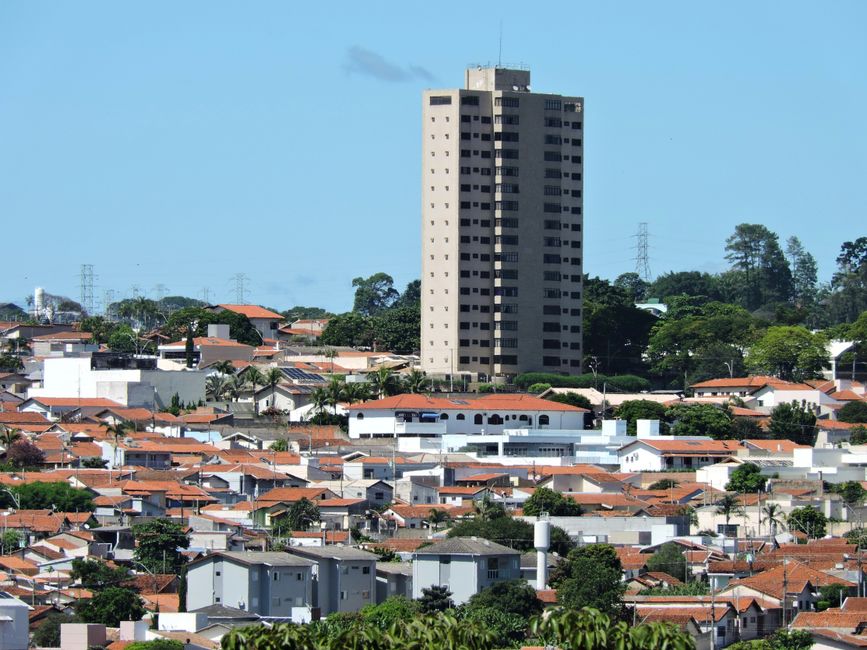
Property fraud built on stolen, recycled and duplicated listing images is pulling thousands of São Paulo renters and buyers into expensive traps, according to consumer protection bodies and digital forensics specialists who have been tracking the problem for more than two years. The Fundação Procon-SP, the state's consumer defence authority headquartered on Rua Barra Funda, logged a substantial rise in complaints tied to fraudulent rental advertisements through 2025, with a significant share involving photographs copied from legitimate listings and reused on fake or misrepresented properties.
The timing matters. São Paulo's rental market is under severe strain. Average asking rents in Pinheiros and Vila Madalena, two of the city's most competitive residential neighbourhoods, climbed sharply through late 2025 and into 2026, pushing prospective tenants to make faster decisions with less verification time. Scammers have exploited that urgency, duplicating image sets from high-traffic portals like ZAP Imóveis and OLX and relisting identical photos under different addresses, prices and contact numbers within hours.
How the Scheme Works, and Who Is Flagging It
Digital forensics researchers at the Universidade de São Paulo's Instituto de Matemática e Estatística, on Rua do Matão in Butantã, have been developing reverse-image detection tools specifically calibrated for real estate listings on Portuguese-language platforms. Their working group has found that a single fraudulent image set can appear across dozens of distinct listings simultaneously, sometimes spanning multiple cities. The institute has not yet published final figures, but preliminary presentations shared at a May 2026 symposium in the Cidade Universitária campus indicated that duplicate image fraud accounted for a measurable fraction of flagged housing complaints in greater São Paulo over the preceding 12 months.
Procon-SP has urged listing platforms to implement automated duplicate-image scanning at the point of upload, a standard already adopted by major European portals, rather than relying on post-publication user reports. The agency has also called on platforms to require verified CPF registration before any listing goes live, a step that several portals have resisted, citing friction in the onboarding process. Procon-SP's position, communicated through formal notices to platforms in early 2026, is that voluntary compliance has been insufficient.
City Hall under Mayor Ricardo Nunes has pointed to existing consumer protection channels rather than committing to new municipal legislation. The Secretaria Municipal de Habitação, based on Rua São Bento in the city centre, has acknowledged the issue in internal working documents but has not announced a dedicated enforcement program as of early July 2026. Housing advocates connected to the Movimento dos Trabalhadores Sem Teto, which has active chapters across the Zona Leste, argue that victims are disproportionately low- and middle-income families who cannot absorb the financial loss of a fraudulent deposit payment, which in many scams ranges between R$1,500 and R$4,000.
What Comes Next for Renters and the Platforms
Legal specialists in digital consumer law note that Brazil's Lei Geral de Proteção de Dados, the LGPD, in force since September 2020, does create a framework for holding platforms accountable when they negligently enable the misuse of third-party image data. Several cases filed at the Tribunal de Justiça de São Paulo during 2025 tested that argument, though outcomes have been mixed and the jurisprudence is still forming.
For renters navigating the market right now, Procon-SP advises running listing photos through publicly available reverse-image tools before paying any deposit, cross-checking the listed address against satellite map services, and never transferring money via Pix to an unverified recipient before viewing the property in person. Complaints can be filed directly through Procon-SP's online portal or at its main office on Rua Barra Funda, 660, in Barra Funda.
Platforms have until August 2026 to respond to Procon-SP's formal notices with concrete compliance plans. Whether that deadline produces substantive change will depend partly on political pressure from the Lula administration's consumer affairs secretariat in Brasília, which has signalled interest in tightening digital marketplace accountability nationwide, though no federal bill specifically targeting image duplication fraud has been tabled yet.