news
São Paulo Residents Fight Back Against Stolen Face Sales Online
From Pinheiros studios to Brás market stalls, people across São Paulo are confronting the theft and commercial reuse of their photographs, and demanding accountability from platforms and lawmakers alike.
How we reported this
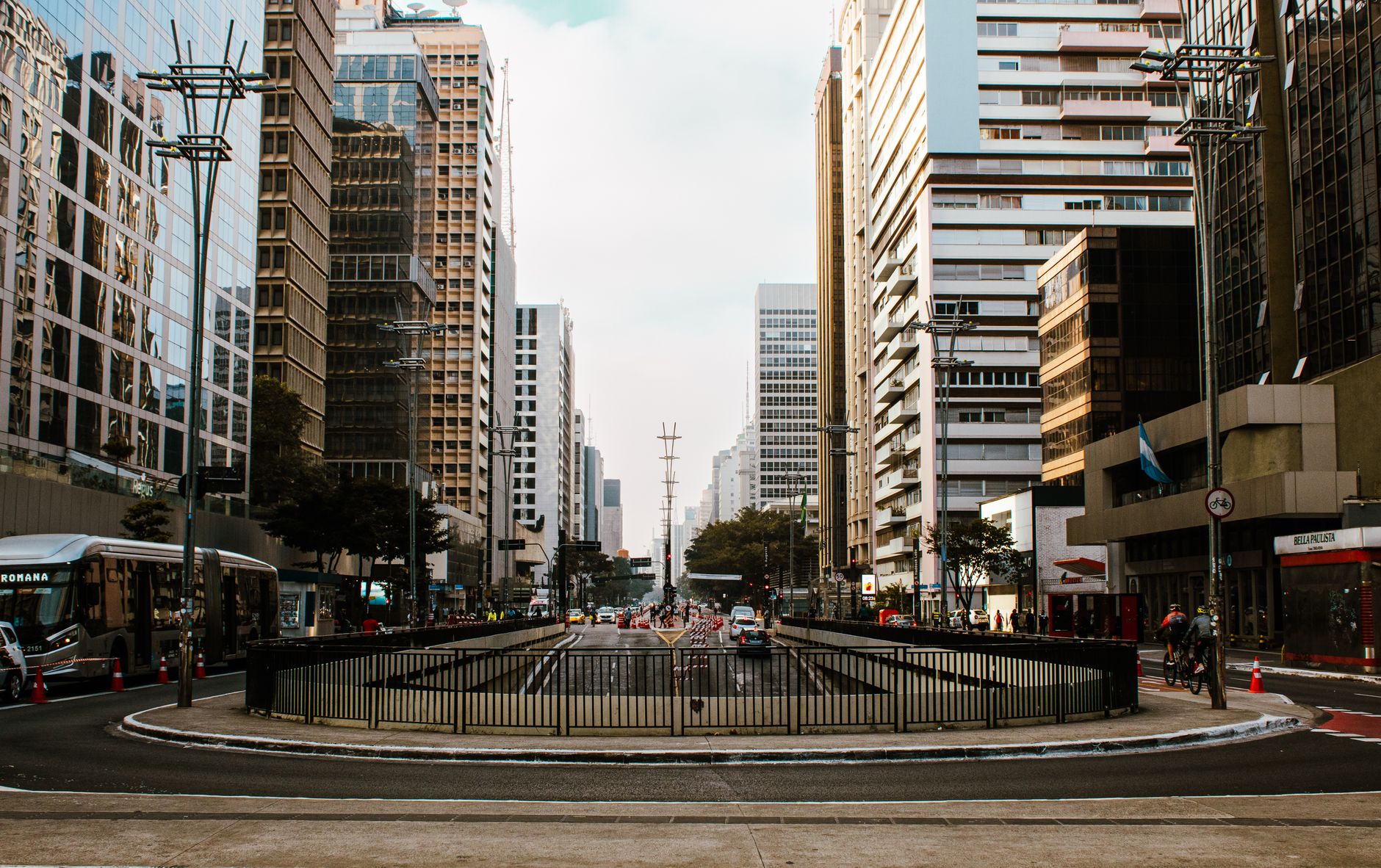
The photograph was taken at a street fair on Rua Benedito Calixto in Pinheiros. A year later, it appeared on a banner advertising a microfinance product the woman in the image had never heard of. Her face, lifted from a public social media profile, had been duplicated, cropped, and dropped into promotional material circulating across WhatsApp groups in at least three states. She is one of dozens of people in São Paulo now navigating a specific and underreported form of digital harm: the unauthorized duplication and commercial reuse of personal images scraped from the internet.
The problem is not new, but it has sharpened considerably since late 2025, when AI-assisted image generation tools lowered the technical barrier for manipulating and reproducing photographs at scale. Sellers on informal e-commerce channels, unlicensed marketing outfits, and even some registered companies have been caught using real people's likenesses without consent, sometimes to lend credibility to dubious financial or health products, sometimes simply to cut design costs. In São Paulo, home to Brazil's largest concentration of digital startups and a sprawling informal economy stretching from the tech corridors of Berrini to the wholesale district of Brás, the collision between those two worlds has produced a growing caseload of image-theft complaints.
What communities in São Paulo are actually experiencing
Residents in Campos Elíseos, a neighbourhood undergoing contested gentrification near the old city centre, have described finding photographs taken at community events repurposed in real estate marketing materials. A mural photographed on Avenida São João showed up in at least two different promotional decks for urban redevelopment projects, according to people who frequent the area and recognised the image. The original photographer had not been contacted.
In the Bom Retiro garment district, small business owners say photographs of their clothing displays have been duplicated and used by competitors on platforms including Shopee and Mercado Livre. One vendor on Rua José Paulino described spending three weeks trying to file a formal takedown request, navigating platform processes she described as confusing and slow, before the copied listing was eventually removed.
The Instituto Brasileiro de Defesa do Consumidor, known as Idec, noted in its 2025 annual report that complaints related to unauthorized use of personal data and images rose significantly in the preceding 12 months, with São Paulo accounting for a disproportionate share of filings. Brazil's Lei Geral de Proteção de Dados, the LGPD, in force since 2020, provides a legal framework for challenging such uses, but consumer advocates say enforcement remains inconsistent, particularly against smaller or informal operators.
What protections exist, and what gaps remain
The Autoridade Nacional de Proteção de Dados, the federal body charged with enforcing the LGPD, has issued guidance on image rights and biometric data, but has not yet published a dedicated regulatory instruction specifically addressing AI-assisted image duplication as of this writing. Complaints can be submitted through the ANPD's online portal, though processing times vary.
At the municipal level, the Procon-SP consumer protection office logged more than 1,400 digital rights complaints in the first quarter of 2026 alone, though the agency does not break that figure down by image-specific cases. Legal clinics at the Pontifícia Universidade Católica de São Paulo, on Rua Monte Alegre in Perdizes, and at the Universidade de São Paulo's law faculty in Butantã have both been fielding a rising number of student-supervised cases involving image duplication since the start of the academic year in February.
For residents dealing with the problem right now, lawyers specialising in digital rights suggest three immediate steps: document every instance of the duplicated image with screenshots and timestamps, file a formal complaint through the platform's own intellectual property or privacy channel before pursuing external routes, and register a boletim de ocorrência at any delegacia or online through the Delegacia Eletrônica de São Paulo, which provides a dated official record that can support later civil or administrative action. The ANPD complaint portal at gov.br/anpd accepts submissions in Portuguese and does not require a lawyer to file. Community groups in Pinheiros and Vila Madalena have also begun organising informal workshops to help residents understand what the LGPD entitles them to demand from platforms, a slow, neighbourhood-level response to a problem that has so far outpaced official action.