news
São Paulo Officials Combat Fake Property Listings Eroding Housing Market Trust
Duplicate and fraudulent images in real estate and government databases are costing buyers money and eroding trust in São Paulo's housing market, and pressure is growing for a coordinated response.
How we reported this
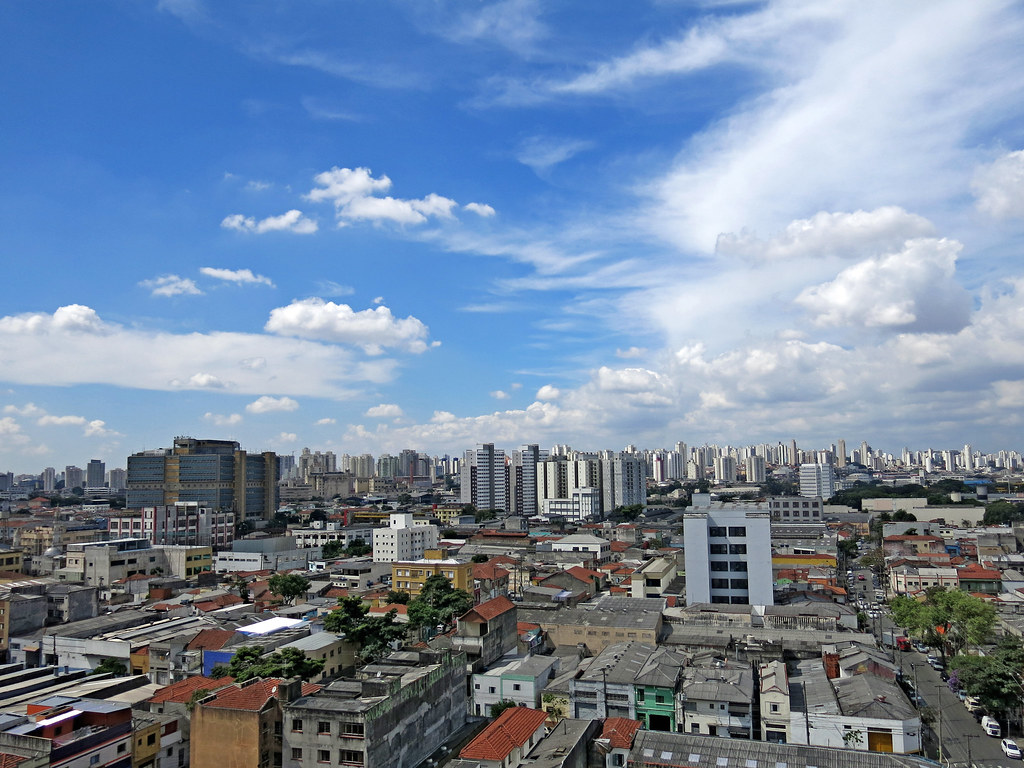
A surge in duplicate property images circulating across major real estate portals and municipal housing registries has put São Paulo officials on notice, with consumer protection bodies, tech specialists and urban planners all warning that the problem is no longer a minor inconvenience, it is a structural flaw in how the city documents and sells its housing stock.
The issue gained renewed urgency this northern winter after the Secretaria Municipal de Habitação flagged repeated inconsistencies in its Cadastro de Imóveis database, where the same property photographs were appearing under multiple listings, sometimes at dramatically different asking prices in neighbourhoods as far apart as Mooca and Perdizes. Buyers who had relied on those images to make deposit payments reported discovering, only during in-person visits, that they had been looking at entirely different apartments.
Why This Matters in a Market This Large
São Paulo's real estate market is the largest in Latin America by transaction volume. The city's Cartório de Registro de Imóveis processes tens of thousands of property transfers each year, and an expanding share of that pipeline begins entirely online, through platforms such as ZAP Imóveis and Viva Real, both headquartered in the city. When duplicate images migrate from one listing to another, whether through negligence or deliberate fraud, the downstream consequences can include disputed contracts, delayed financing approvals and, in the worst cases, deposits paid on properties that were never available.
The Procon-SP, São Paulo's state consumer protection authority, has tracked a rise in complaints related to misleading property representations. Consumer specialists working with the agency have noted publicly that image duplication is among the harder problems to address because existing regulations were written before algorithmic listing syndication became standard practice. Without a direct legal requirement for image provenance verification, portals have had limited incentive to invest in automated detection systems.
The Conselho Regional de Corretores de Imóveis do Estado de São Paulo, CRECI-SP, has been the most vocal institutional voice demanding reform. The council, which licenses real estate brokers across the state, has called on federal regulators to extend the scope of the Lei do Distrato, the 2018 law governing property purchase agreements, to include digital documentation standards. Whether those calls produce legislative action is not yet clear, but CRECI-SP confirmed at a June event on Avenida Paulista that it is drafting a technical proposal for submission to the Conselho Federal.
Tech Tools and the Pressure on Portals
Engineers at Distrito, the São Paulo-based startup intelligence hub located near Faria Lima, have pointed out that reverse-image search and perceptual hashing, the same techniques used to detect duplicate photographs in social media moderation, are commercially available and could be integrated into property portals within months, not years. The technology is not expensive at scale. Several European markets, including Germany and the Netherlands, have already moved toward mandatory image-uniqueness checks as part of listing validation.
The Prefeitura de São Paulo, under Mayor Ricardo Nunes, has not yet announced a specific programme targeting the problem, though the city's broader push on digital governance, anchored in the São Paulo Inteligente initiative, has been cited by urban technology advisers as the appropriate vehicle for a municipal response. The initiative already coordinates data standards between the city's planning and housing secretariats.
For buyers and renters making decisions right now, the practical guidance from legal specialists in the Brooklin and Vila Olímpia real estate corridors is consistent: request timestamped original photographs directly from the selling broker before signing any preliminary agreement, cross-reference images using publicly available reverse-search tools, and insist that contracts specify which photographs form part of the legally binding property description. In a market where a two-bedroom apartment in Pinheiros routinely lists above R$800,000, due diligence on something as basic as a photograph is not optional, it is the first line of defence against a problem that regulators are only beginning to take seriously.