news
São Paulo Spends Millions Restoring Decades of Chaotic Visual Archives
Decades of digital negligence, rapid urban growth, and overlapping government systems left the city's official image records riddled with duplicates; now, a long-overdue cleanup is underway.
How we reported this
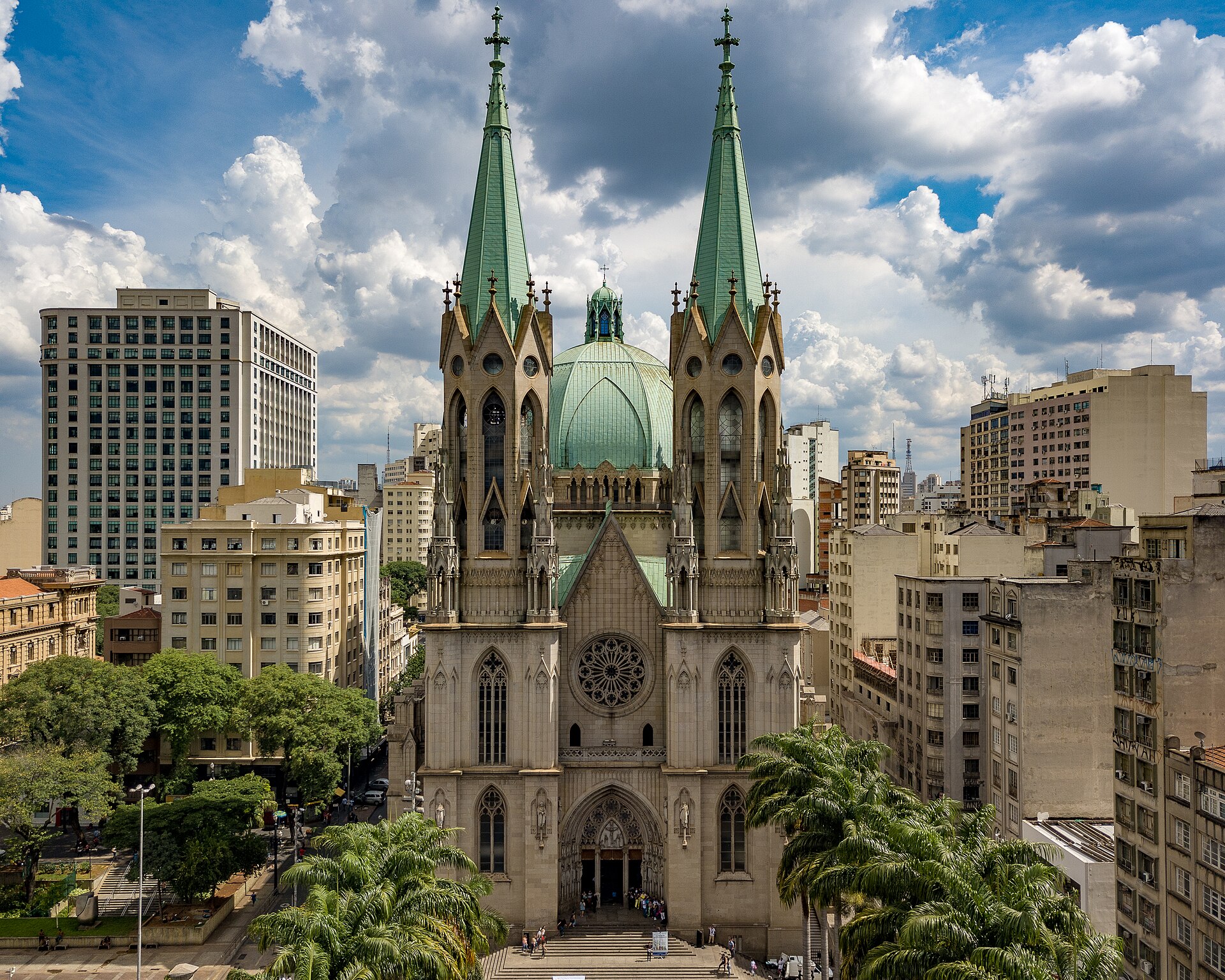
São Paulo's municipal government is moving to overhaul how it stores and manages official photographic records after years of duplicated, mislabelled and essentially useless image files piled up across at least four separate content management systems operated by different secretariats. The effort, which involves deploying automated duplicate-detection software across the Prefeitura de São Paulo's digital infrastructure, marks the most significant reform to the city's visual archive management since the administration of Gilberto Kassab consolidated some media operations in 2009.
The problem matters now because the stakes have risen sharply. São Paulo is hosting a cluster of World Cup 2026 matches at Neo Química Arena in Itaquera, drawing international press and institutional scrutiny to every piece of official communication the city publishes. Broken image links, watermarked duplicates, and misattributed photographs appearing in press releases and on the prefeitura's official portal, prefeitura.sp.gov.br, have embarrassed communications staff during one of the highest-profile periods in recent city history. A separate but parallel issue involves the Urban Planning Secretariat, which manages thousands of aerial and street-level images of neighbourhoods from Pinheiros to Brasilândia, many of them stored in redundant copies that slow retrieval times and inflate cloud storage costs.
A System Built by Accretion, Not Design
The duplication problem did not arrive overnight. It accumulated over roughly 15 years as individual secretariats, Transport, Housing, Green and Environment, Culture, each built their own image libraries without coordinating with the central Secretaria de Comunicação. When Mayor Ricardo Nunes's administration inherited these systems in 2021, the Communications Secretariat estimated internally that duplicated files accounted for a substantial share of the total storage load across municipal servers, though the exact figure has not been made public. The city's digital infrastructure contracts, managed partly through the Empresa de Tecnologia da Informação e Comunicação do Município de São Paulo, known as PRODAM, show that cloud storage expenditure grew year-on-year as redundant data was never culled.
PRODAM, headquartered on Rua Líbero Badaró in the city centre, is the municipal technology body now tasked with running the deduplication project. The work involves scanning image repositories using perceptual hashing algorithms, tools that identify visually similar or identical files even when file names and metadata differ, across servers that hold records going back to at least 2005. PRODAM has handled previous data-integrity projects for the city, including a 2019 digitisation push for paper documents held at the Arquivo Histórico Municipal on Rua Quirino de Andrade, also in the centre.
What the Cleanup Actually Involves
The practical scope is considerable. Municipal libraries of this type in cities comparable in administrative complexity to São Paulo, Lagos, Mexico City, Istanbul, have found that image deduplication projects routinely uncover that between 20 and 40 percent of stored files are redundant copies, based on published case studies from municipal technology conferences. São Paulo's total photographic archive across all secretariats is believed to run into several million files, meaning the potential storage reclaimed could be significant even before new acquisitions are factored in.
The Nunes administration has framed the project partly as a cost-saving measure ahead of budget negotiations for 2027, when the city faces pressure to contain spending while maintaining infrastructure investment in flood-prone zones like the Córrego do Mandaqui basin in the North Zone. Reducing unnecessary cloud storage costs is a modest but symbolically useful line item to point to.
For journalists, researchers, and community organisations that regularly request images from the city's press office on Viaduto do Chá, the immediate practical benefit should be faster response times and better-labelled material. The deduplication process includes a metadata standardisation component, meaning images will be tagged with consistent location, date, and subject information for the first time. Staff at organisations like Agência Pública, which covers municipal accountability from its São Paulo base, have long noted that sourcing usable city images through official channels is unnecessarily difficult. The goal, according to PRODAM's project documentation, is to have the first phase of deduplication complete before the end of the third quarter of 2026.