Three years ago, suggesting a weekend bike ride through Pinheiros would have drawn blank stares from most paulistas. Today, the neighbourhood's transformation into São Paulo's most dynamic cycling hub is quietly reshaping how the city's residents spend their leisure time.
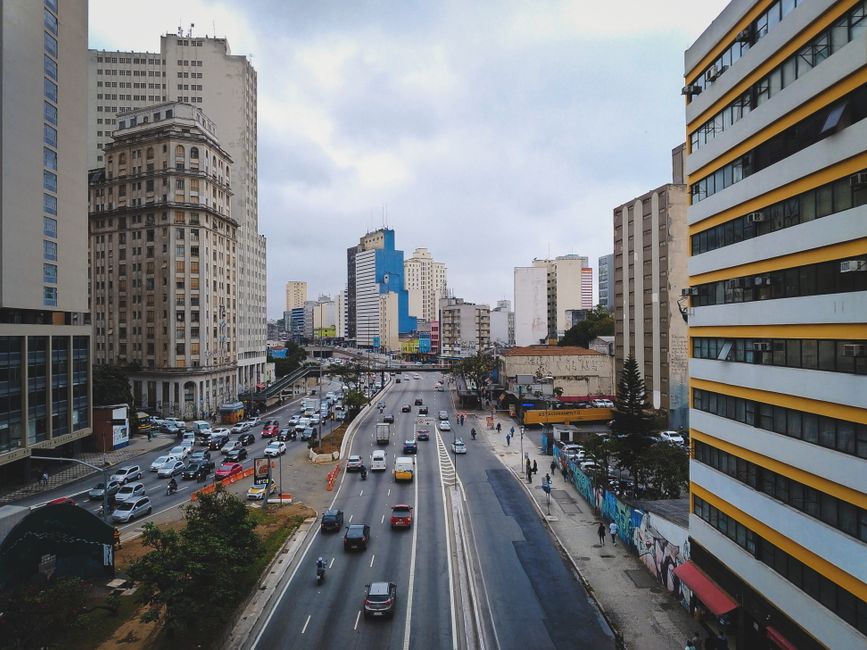
The shift accelerated dramatically following the expansion of the Ciclorede—São Paulo's bike lane network—which added 47 kilometres to Pinheiros and surrounding zones between 2023 and 2025. The neighbourhood now connects seamlessly to the Pinheiros River Waterfront Project, a 7.5-kilometre recreational corridor that opened in phases throughout the past two years. What was once overlooked industrial terrain along Avenida Morvan Dias de Oliveira has transformed into a genuine weekend destination.
Data from the Municipal Secretariat of Mobility reveals that weekend cycling traffic on the Pinheiros routes increased 340 percent year-over-year, with peak usage on Saturday mornings between 8 and 11 am. Local bike shops report 67 percent more rental activity compared to 2023, and new cafés catering to cyclists have opened at a rate of roughly one per month along Rua Bandeira and Rua Clélia.
What makes Pinheiros' evolution particularly significant is its democratising effect. Unlike traditional paulista weekend escapes—which often require cars and spare cash—cycling here is accessible. A rental bike costs R$40-60 per day; café culture is casual and affordable; the waterfront parks charge no entry fee. Families, young professionals, and older residents are discovering weekend leisure that doesn't depend on driving to distant beach towns or mountain resorts.
The neighbourhood's older industrial identity hasn't vanished entirely. Art galleries, vintage shops, and design studios in converted factories alongside Rua Fidalga have become natural waypoints for cyclists, creating an organic cultural tourism model. The mashup—pedalling past graffiti murals, stopping for flat whites at pop-up coffee stands, browsing contemporary art—feels distinctly São Paulo.
Still, growth brings friction. Parking conflicts between cars and cyclists persist on secondary streets. Some long-time residents worry about gentrification pressures as property values climb. Local business associations are negotiating with the city about managing weekend congestion without strangling the very appeal that's attracting visitors.
For now, Pinheiros represents something increasingly rare in São Paulo: a neighbourhood leisure space that wasn't manufactured by real estate developers or marketed by tourism boards, but rather emerged organically from infrastructure investment and community adoption. This weekend, it will be busier than ever.
This article was compiled by AI and screened before publishing. See our editorial standards.