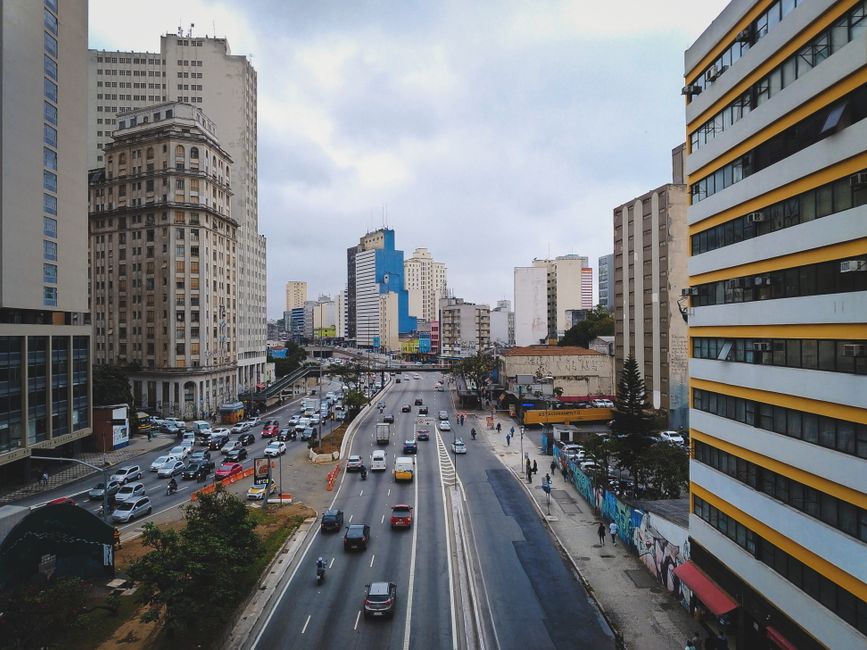
For decades, commuting in São Paulo meant choosing between the suffocating crush of the metro during peak hours, the lottery of bus schedules, or surrendering to the notorious Marginal Pinheiros traffic jams that could swallow two hours of your day. That calculus has shifted dramatically over the past eighteen months, reshaping how millions of paulistas move through their sprawling metropolis.
The completion of the expanded Line 6 (the Orange Line), which now extends from Brasilândia through the west zone to São Judas, has been transformative for residents who previously endured ninety-minute journeys from neighbourhoods like Pirituba and Anhanguera. Monthly metro ridership across the system has climbed past 150 million passengers again—a figure that seemed impossible during the pandemic era. But what's changed isn't just capacity; it's reliability. Real-time tracking apps and improved frequency during peak hours mean commuters can actually plan their lives around transport rather than the other way around.
Beyond the metro, the city's ambitious cycle lane expansion has fundamentally altered commuting patterns in the zona sul. The new protected lanes along Rua Augusta and extending into Vila Madalena have drawn unexpected converts—professionals ditching scooter apps in favour of e-bikes, cutting their Consolação-to-Pinheiros commute from forty minutes to twelve. Ciclovias now total over 550 kilometres across the city, compared to 340 just three years ago.
Perhaps most significantly, the integrated transport card system has finally begun working as intended. A single pass now genuinely connects metro, bus, and cyclist networks with real-time journey planning through the Whatsapp-friendly municipal app. The average commute time for someone using multimodal transport has dropped by roughly eighteen percent, according to the most recent São Paulo transport authority data.
The human cost of reclaiming commute time shouldn't be understated. Thousands of paulistas are sleeping an extra hour each night. Coffee shops in Tatuapé and Lapa are bustling during off-peak hours as people rediscover the possibility of a leisurely breakfast. Parent-teacher meetings aren't being scheduled at 6 p.m. because nobody can make anything earlier. Relationships are improving. Mental health is improving.
Is São Paulo's transport system perfect? Far from it—the north zone still struggles with gaps in coverage, and summer rains still create bottlenecks. But for the first time in a generation, the conversation has shifted from despair to possibility. When you save ninety minutes daily, the city becomes a fundamentally different place to live.
This article was compiled by AI and screened before publishing. See our editorial standards.