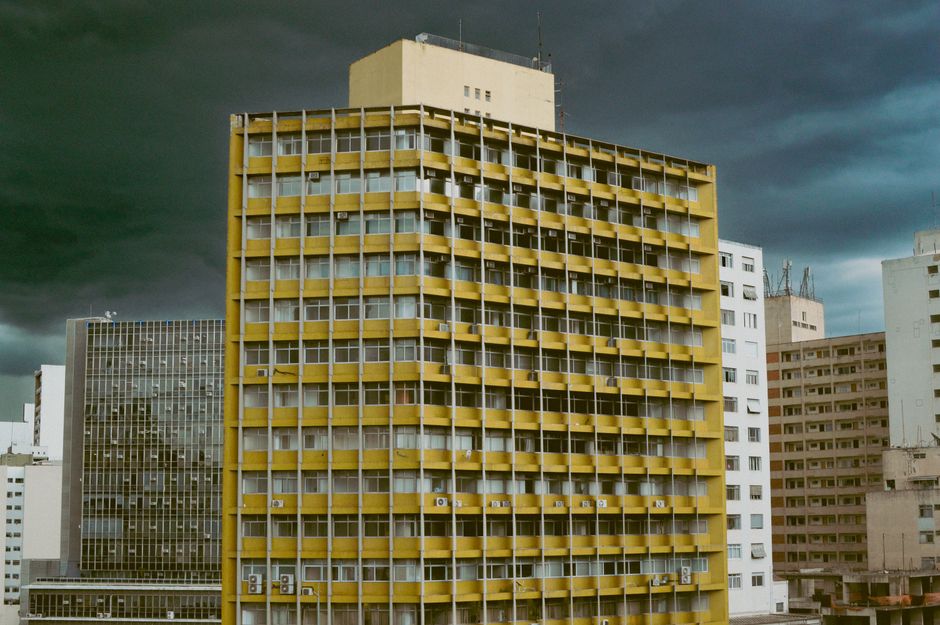
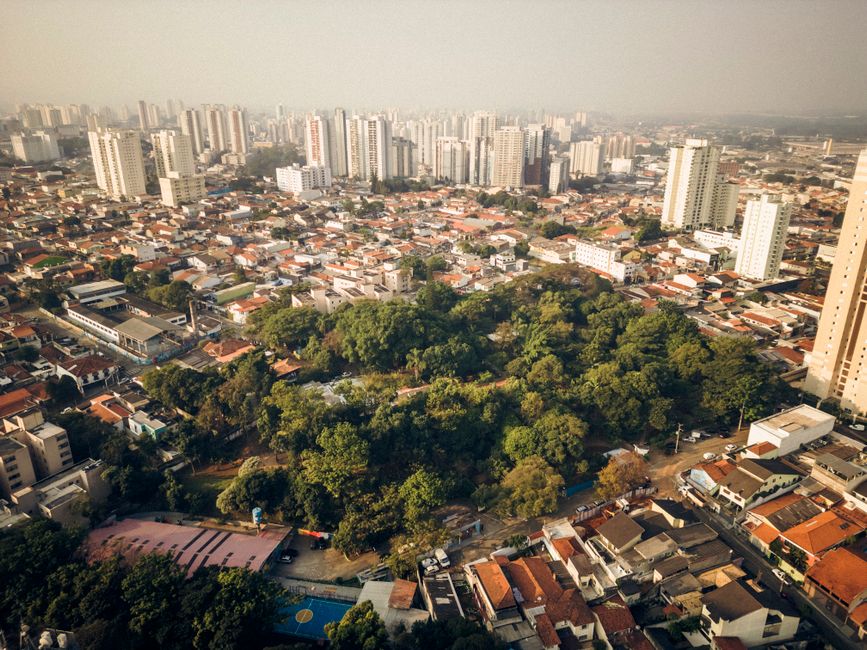
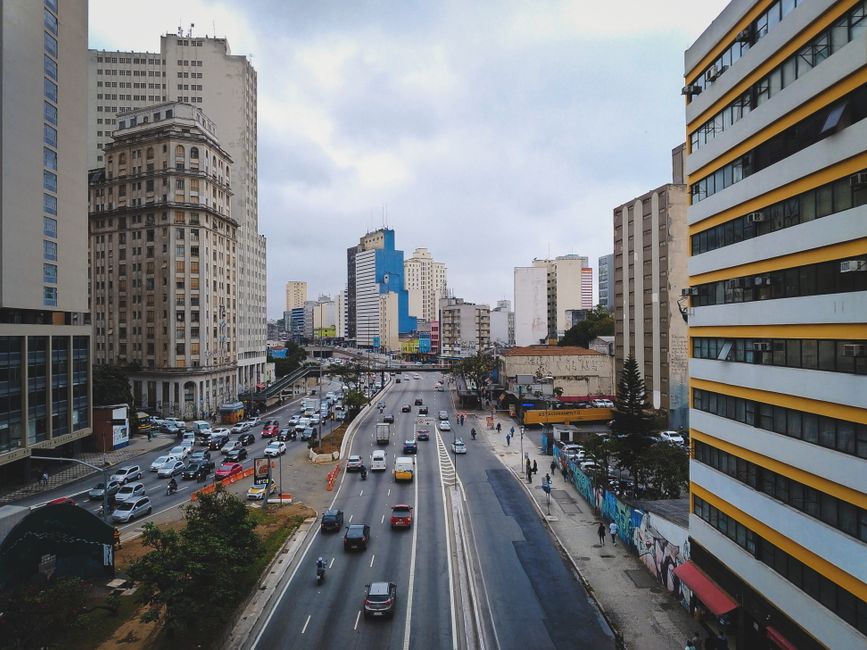
For years, São Paulo carried a reputation among expats as a sprawling, intimidating megacity—beautiful but demanding, cosmopolitan but exhausting. Today, that narrative is shifting fast. A confluence of policy changes, cultural momentum, and neighborhood transformation has made Brazil's largest city genuinely appealing to foreign arrivals in ways that felt unlikely just three years ago.
The catalyst is partly structural. Brazil's digital nomad visa, formalized in 2022 but now operationalized smoothly through the Federal Police, has removed bureaucratic friction that once plagued remote workers. Processing times have dropped from four months to six weeks. Monthly income thresholds sit at approximately R$3,300—roughly US$660—making São Paulo accessible to a far broader demographic than traditional expat visas allowed. Word spreads fast among the laptop-carrying classes.
But policy alone doesn't explain the energy shift. Neighborhoods that were off expat radars five years ago are now destinations. Vila Madalena, long overshadowed by Vila Mariana and Pinheiros, has undergone genuine revitalization: independent galleries, natural wine bars, and design studios now punctuate Rua Fidalga and its side streets. Rentals in recently stabilized pockets run R$2,500–3,500 monthly for two-bedroom apartments—expensive by Brazilian standards, yet competitive with Miami or Barcelona for comparable quality.
The Pinheiros neighborhood, traditionally gringo-friendly, has matured beyond its weekend-party reputation. Rua Mourato Coelho hosts Michelin-aspirational restaurants alongside neighborhood bakeries. The parallel emergence of co-working hubs—not just corporate chains but boutique spaces like those clustering around Avenida Paulista and in Vila Olímpia—has created genuine community infrastructure for remote workers.
Local Brazilians themselves note the shift. The city's cultural institutions—SESC Pompéia, Instituto Tomie Ohtake, the renovated Pinacoteca do Estado—have never felt more vital. Transit improvements on Line 6 of the Metro have made previously inconvenient neighborhoods suddenly livable. And perhaps most significantly, São Paulo's food scene has stopped apologizing for itself. The city now commands international recognition for its restaurant culture, from the fine-dining corridor of Vila Mariana to the Japanese-Brazilian fusion kitchens of Liberdade.
International arrivals report something less tangible but crucial: permission to belong. Where expatriate communities once felt like foreign islands, newcomers now describe integration as organic. Portuguese-language schools report waitlists. Coworking spaces facilitate genuine friendships rather than transactional networking.
São Paulo's draw was always its complexity. What's changed is that newcomers now feel equipped—and genuinely motivated—to engage with it.
This article was compiled by AI and screened before publishing. See our editorial standards.