Locals Reveal 5 Secret Commute Hacks That Beat São Paulo's Traffic
From metro timing hacks to bike routes that work, here's how people who live here really navigate the city's transport chaos.
From metro timing hacks to bike routes that work, here's how people who live here really navigate the city's transport chaos.
Listen to this article · 3:34
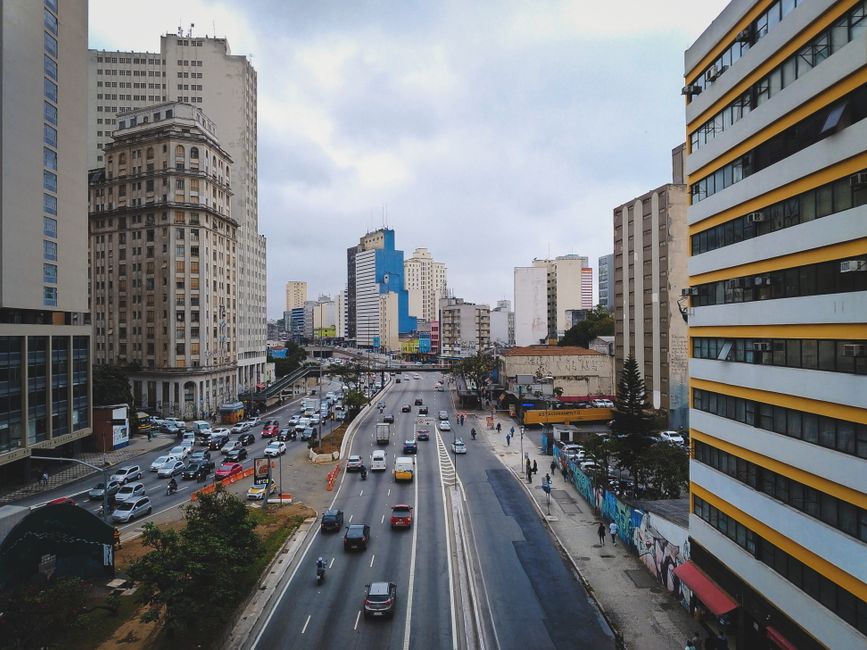
São Paulo's transport system is a living, breathing organism—one that demands respect and strategy. After speaking with dozens of commuters across the city's sprawling neighbourhoods, a clear picture emerges: there is no one-size-fits-all solution, but there are definitely smarter ways to move through the metropolis.
The metro remains the backbone for many. Lines 1 (Blue), 3 (Red), and 15 (Silver) are consistently packed during peak hours—6:30am to 9am and 5pm to 7pm—but locals know the system's quirks. Workers in Pinheiros and Vila Madalena heading toward Paulista consistently board at intermediate stations rather than terminuses, avoiding the worst congestion. The integrated ticketing system costs around R$4.40 per journey, and monthly passes (R$140) make sense only if you're commuting five-plus days weekly.
Bus networks, operated by multiple companies, offer coverage that metro cannot match, but reliability varies wildly by route and time. The northbound Avenida Paulista routes and crosstown services connecting Zona Oeste to the financial district are relatively dependable. Locals suggest apps like Moovit or SPTrans's own portal for real-time tracking—essential given that scheduled versus actual arrival times frequently diverge by 15 minutes or more.
Cycling has genuinely transformed commuting patterns here over the past five years. The city's ciclovias now exceed 800km, with popular corridors along Avenida Paulista, Avenida Tiradentes, and connecting Consolação to Pinheiros drawing serious cyclists. A reliable bike costs R$800-2,000, but locals emphasize security: always use two locks, avoid leaving bikes unattended during non-peak hours, and understand that theft remains common.
For those with resources, ride-sharing apps (Uber, 99) offer predictability but at premium prices—a typical 8km journey from Vila Mariana to Consolação runs R$25-45 depending on surge pricing. Some workers negotiate hybrid arrangements: metro during peak hours, ride-sharing during off-peak travel.
The honest reality: there's no commute without trade-offs. Metro offers speed and cost but sardine-can conditions. Buses provide coverage but require patience. Bikes demand physical energy and security vigilance. Ride-sharing guarantees comfort but drains the wallet. Most long-term residents adopt a flexible approach, switching methods based on schedule, weather, and urgency rather than wedging themselves into a single transport mode. The city simply demands too much variety to do otherwise.
This article was compiled by AI and screened before publishing. See our editorial standards.
How does this story make you feel?
Spread the word
About this article
Published by The Daily São Paulo
Daily brief
Free, in your inbox before 7am. Weekdays.
More in lifestyle