Why São Paulo's Green Spaces Are Redefining Urban Parks for the Global Megacity
From repurposed industrial waterfronts to neighbourhood forests, São Paulo is proving that density and nature aren't mutually exclusive.
From repurposed industrial waterfronts to neighbourhood forests, São Paulo is proving that density and nature aren't mutually exclusive.
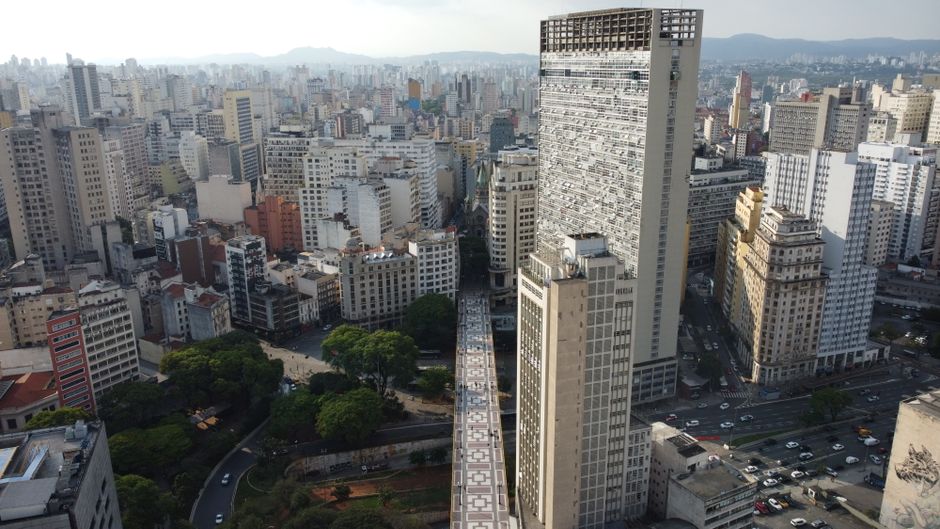
When international urban planners discuss the future of green spaces in megacities, they increasingly look to São Paulo—not for what the city has always had, but for what it's deliberately creating amid 12 million people and relentless sprawl.
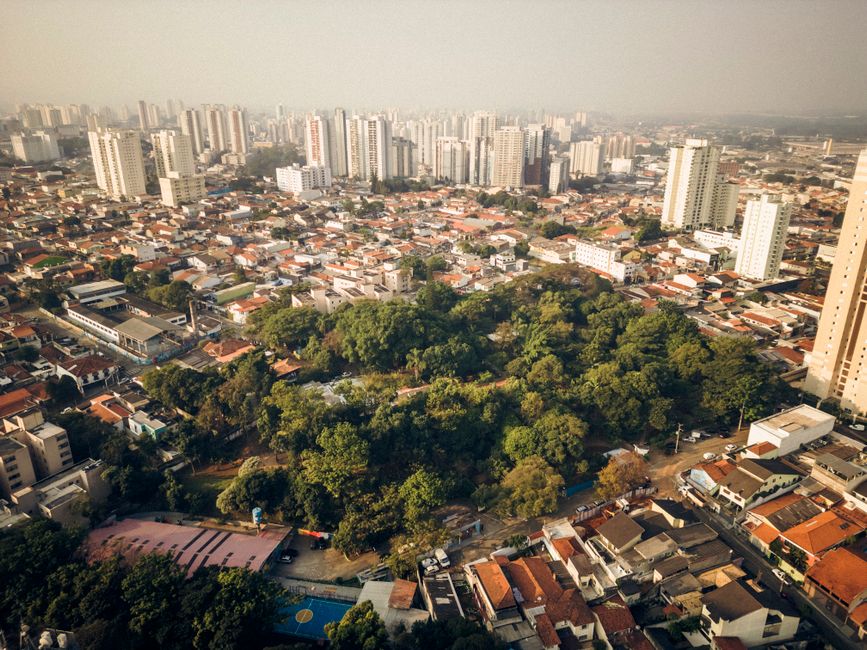
The difference between São Paulo's approach and comparable global cities lies in its philosophy of retrofitting nature into existing urban fabric rather than preserving what already exists. While cities like Barcelona prioritize maintaining their historical parks and London builds incremental improvements to established green corridors, São Paulo is radically reimagining how a densely populated metropolis can introduce and integrate nature where space was previously devoted to industry, neglect, or concrete.
The Parque da Juventude in Zona Norte exemplifies this. Built on the grounds of a former penitentiary, this 84-hectare space—larger than Central Park's Sheep Meadow—opened just two decades ago and has become a model for transformative urban regeneration. Locals pay R$15 for day passes, accessing everything from sports facilities to native Atlantic Forest restoration projects that you'd struggle to find in equivalent parks across North America or Europe.
Then there's the emerging success of Parque Linear do Tietê, a 65-kilometre corridor that follows the city's polluted river system. This project—still under development but already transformative—represents something distinctly São Paulo: taking the city's most visible environmental problem and converting it into recreational infrastructure. Similar riverfront projects exist in cities like Paris or Singapore, but São Paulo's scale and the sheer urban pressure it addresses make this endeavour uniquely ambitious.
What distinguishes São Paulo most sharply is its embrace of neighbourhood-scale green interventions. The Subprefeituras have invested heavily in small parks and pocket gardens in peripheral neighbourhoods like Itaquera and Guaianases—areas where comparable cities might consider green space a luxury. These spaces cost municipalities relatively little but generate outsized social impact in communities historically underserved by urban planning.
The city's vertical gardening culture also sets it apart. With limited horizontal space, São Paulo residents and businesses have embraced rooftop gardens and living walls at a scale that exceeds most peer cities. Walk through Vila Madalena or Pinheiros and you'll see multi-storey residential buildings featuring integrated green infrastructure—a practical response to constraint that's becoming aspirational elsewhere.
As São Paulo continues navigating the tension between growth and livability, its parks aren't simply amenities. They're experiments in proving that megacities can grow denser while becoming greener—a lesson the world's other sprawling urban centres are watching closely.
This article was compiled by AI and screened before publishing. See our editorial standards.
How does this story make you feel?
Spread the word
About this article
Published by The Daily São Paulo
Daily brief
Free, in your inbox before 7am. Weekdays.
More in lifestyle