Vendors Transform São Paulo Markets Into Community Pillars Over Decades
From the Rua 25 de Março to Sacolão da Vila, the city's retail heart beats strongest through the people who have spent decades building communities one transaction at a time.
From the Rua 25 de Março to Sacolão da Vila, the city's retail heart beats strongest through the people who have spent decades building communities one transaction at a time.
Listen to this article · 3:35
On a Wednesday morning in the Bom Retiro neighbourhood, Maria dos Santos arranges bundles of fresh cilantro and parsley with the precision of someone who has done this for forty-three years. Her stall at the Sacolão da Vila, a cooperative market that has served the region since 1989, sits between a flower vendor and a man selling homemade pasta. Maria doesn't just sell greens; she knows which customers need them for Thursday feijoada, which prefer their produce cut to specific sizes, and which elderly residents require delivery. "The market is not about profit margins," she says. "It is about knowing your neighbours."
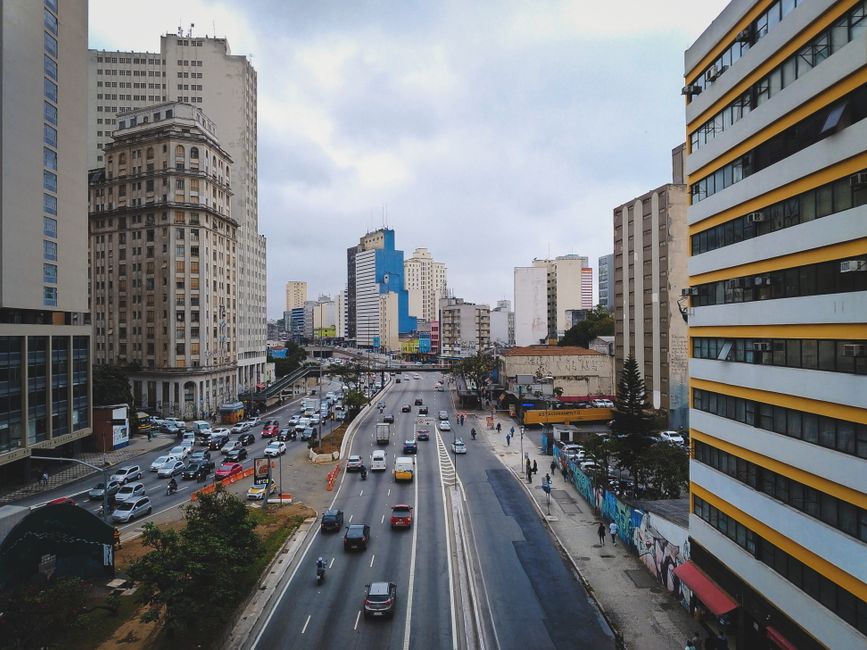
This sentiment echoes across São Paulo's retail landscape, where the human dimension of commerce has survived even as the city transformed into a global financial hub. The Rua 25 de Março—a four-kilometre stretch in the Centro district handling an estimated 300,000 daily visitors—thrives because individual shopkeepers like Antonio Ferreira have built reputations spanning generations. His family's textile stall has operated continuously since 1967, weathering recessions and e-commerce disruption through relationships and reliability.
The storytelling extends to newer spaces too. In Vila Madalena, the emerging concept of "mercado de bairro" has attracted younger entrepreneurs reimagining what neighbourhood shopping means. These spaces blend Instagram-ready aesthetics with genuine community function—organic produce from small farmers, locally roasted coffee, and craft goods from independent makers. Yet what distinguishes them isn't the design but the vendors' commitment to knowing their customers beyond transactions.
Statistics show São Paulo's traditional markets remain economically vital: the city's 847 registered street markets and permanent shopping areas generate approximately R$2.3 billion annually, with vendor communities representing roughly 50,000 formal and informal workers. But these numbers flatten the texture of lived experience—the Syrian families who built the textile district, the northeastern migrants who brought regional flavours to food markets, the women-led cooperatives creating economic independence in working-class zones.
What makes São Paulo's retail culture resilient isn't novelty or scale, but accumulated trust. When supermarket chains promise convenience, the Sacolão da Vila and Rua 25 de Março offer something that algorithms cannot replicate: recognition. A customer walks in; a vendor remembers their name, their preferences, their lives. In a megacity of over twelve million people, these moments of being seen constitute a kind of everyday luxury that no delivery app can match.
This article was compiled by AI and screened before publishing. See our editorial standards.
How does this story make you feel?
Spread the word
About this article
Published by The Daily São Paulo
Daily brief
Free, in your inbox before 7am. Weekdays.
More in lifestyle