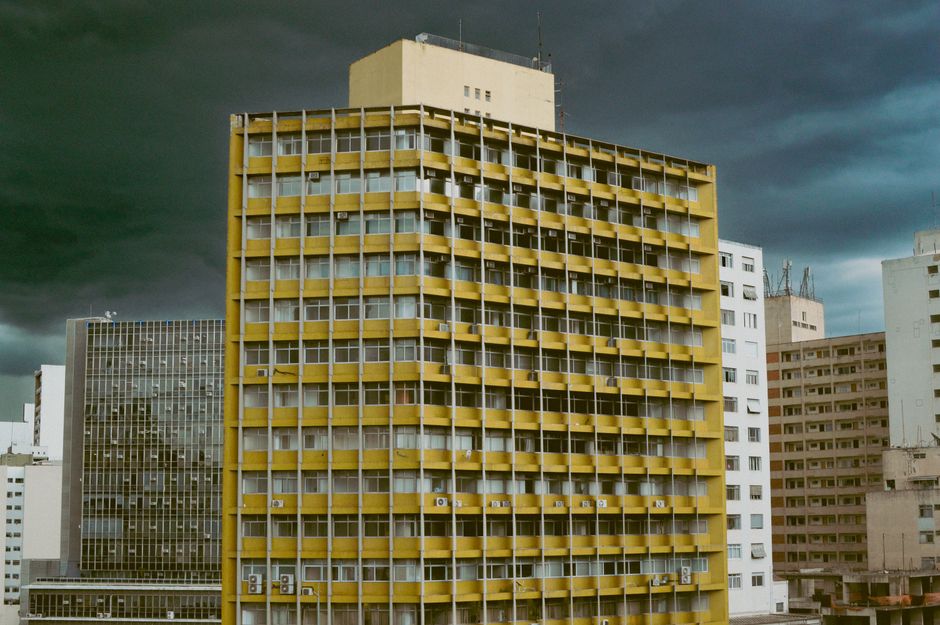
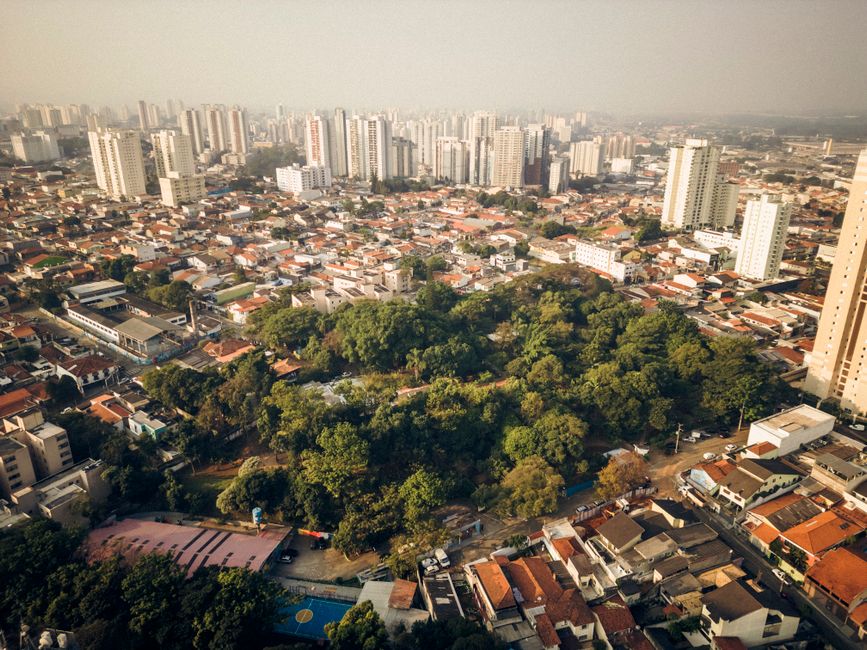
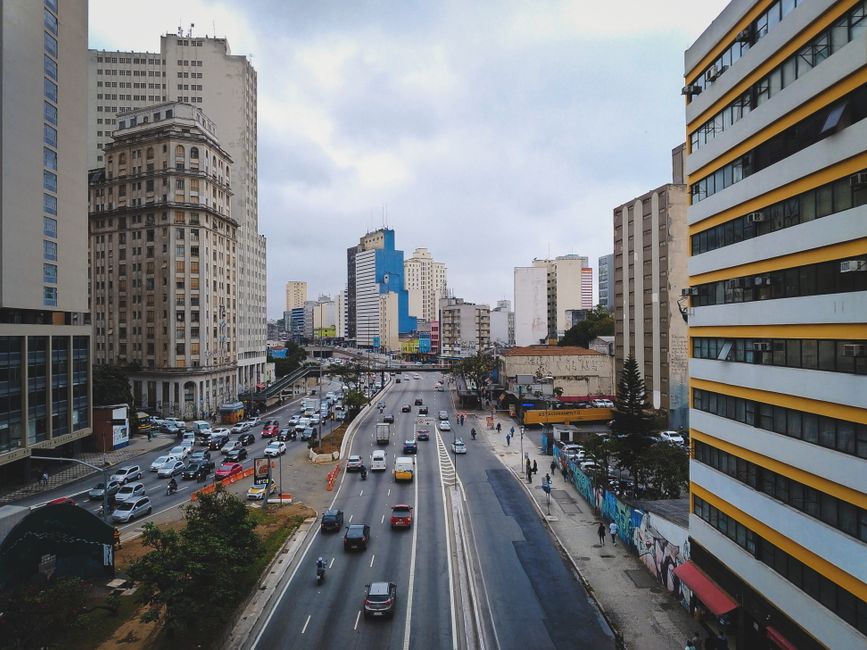
Walk through Pinheiros on a Friday evening and you'll encounter something increasingly rare in global metropolises: a neighbourhood undergoing radical transformation while maintaining stubborn cultural roots. The streets around Rua dos Pinheiros buzz with young professionals emerging from converted warehouse offices, yet the same corner boteco where construction workers gathered in 1987 still operates, its owner unbothered by rising rents that would have triggered gentrification's final chapter elsewhere.
This paradox defines São Paulo's approach to urban living in ways that distinguish it from peer cities like New York, London, or even Rio de Janeiro. Unlike those capitals, where neighbourhood identity often calcifies into theme-park versions of themselves, São Paulo's communities remain stubbornly mixed—economically, culturally, generationally.
Consider Vila Madalena, the artistic heart east of Avenida Paulista. While comparable bohemian districts in Barcelona or Berlin have surrendered to boutique homogeneity, Madalena's street art scene coexists with working-class residential blocks, affordable family restaurants alongside experimental galleries. The neighbourhood's 2,847 registered street artworks represent a living archive, not a curated museum.
The numbers tell part of the story. Average rent in Pinheiros sits around R$3,500 monthly for a one-bedroom apartment—steep by Brazilian standards but roughly 40% cheaper than comparable London neighbourhoods with similar demographic profiles. This price gap creates breathing room for cultural ecosystems that premium international cities have priced into extinction.
Consolação and Santa Cecília, traditionally working-class zones, exemplify another São Paulo distinction: the absence of clear demarcation lines. You'll find a Michelin-recognised restaurant three blocks from a family-run padaria that hasn't changed its menu since 1995. This isn't accidental preservation; it's active coexistence.
Global cities typically follow predictable gentrification trajectories. São Paulo's trajectory remains negotiated, contested, sometimes chaotic. A favela community in Paraisópolis borders the Morumbi neighbourhood where São Paulo's wealthiest live—not separated by development policy, but by geography that refuses neat solutions.
This isn't romantic poverty tourism. São Paulo's inequality remains serious, its infrastructure patchy. But the city's refusal to sort itself into discrete lifestyle zones—the way Singapore, Dubai, or even São Paulo's imagined competitors have—creates something preservation-resistant: authentic, conflicted, alive.
For those seeking urban living without algorithmic predictability, that distinction matters enormously.
This article was compiled by AI and screened before publishing. See our editorial standards.