On any given Saturday morning, Ibirapuera Park transforms into an open-air theater of human connection. Dog walkers cluster near the Museu de Arte, joggers navigate the tree-lined paths that wind past the Obelisco, and vendors arrange fresh fruit at strategic corners where locals gather. These aren't just recreational moments—they're the lifeblood of a city where green space represents something increasingly precious.
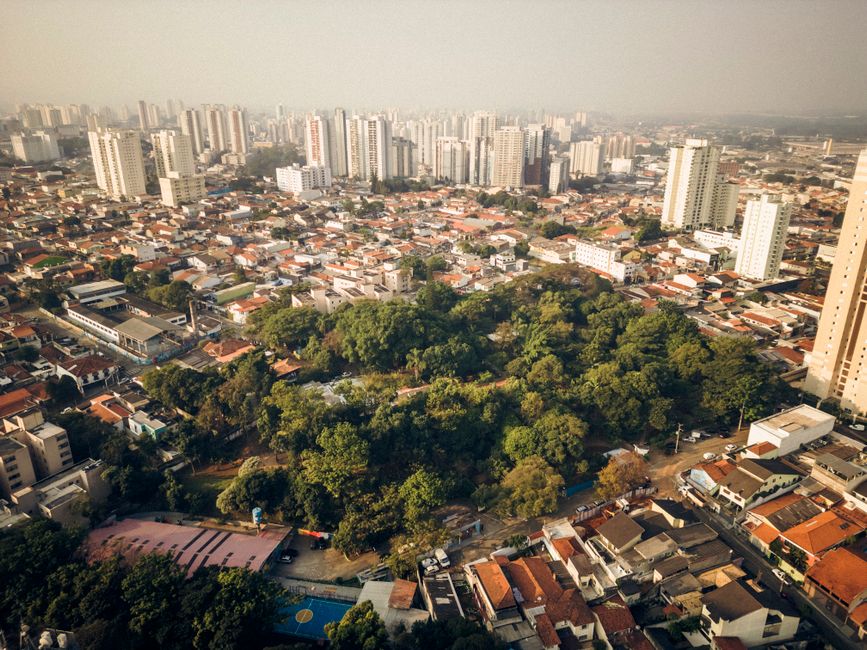
São Paulo's parks serve 12 million residents across an urban area that stretches endlessly in concrete and glass. Yet within neighborhoods like Pinheiros and Vila Mariana, small community initiatives are quietly reshaping how residents engage with their outdoor environments. Urban gardens tucked behind residential streets, where neighbors share harvests of tomatoes and herbs, have proliferated 40% since 2020, according to local community mapping projects. These aren't Instagram-worthy installations—they're practical responses to food security, social isolation, and the psychological need for soil under fingernails.
The Parque da Luz, one of the city's oldest green spaces dating back to the 19th century, has become a focal point for social recovery. After years of neglect and safety concerns, a coalition of residents, local merchants, and city workers have collaboratively reimagined the 12-hectare park. Morning tai chi groups, afternoon book clubs, and evening acoustic performances now draw hundreds weekly. The transformation reveals how public spaces don't improve through top-down policy alone—they require the sustained commitment of ordinary people who decide their neighborhood deserves better.
Similar stories emerge across the city's expanding parks network. In the Zona Leste, traditionally underserved in terms of green infrastructure, resident-led movements have advocated for expanded cycling paths and accessible green corridors. Organizations working with local youth have transformed vacant spaces into pocket parks where teenagers gather not to cause trouble, but to tend plants and host community events.
The economic reality remains challenging. While park maintenance budgets have been stretched thin, volunteer maintenance groups compensate by organizing regular clean-ups and small-scale improvements. Memberships to organized park communities cost little to nothing—the real currency is time and care.
These stories matter because they reflect something essential about São Paulo's character: a city perpetually negotiating between its enormous scale and its fundamentally human needs. In parks across the city, ordinary residents aren't waiting for perfect conditions. They're showing up, building community, and proving that even in a metropolis of millions, connection is possible when you know where to look.
This article was compiled by AI and screened before publishing. See our editorial standards.