Vila Madalena's Bar Scene Is Shedding Its Party-Hard Image—Here's What's Taking Its Place
Once São Paulo's wildest nightlife district, the bohemian neighbourhood is pivoting towards craft cocktails, live music venues, and sustainable social spaces.
Once São Paulo's wildest nightlife district, the bohemian neighbourhood is pivoting towards craft cocktails, live music venues, and sustainable social spaces.
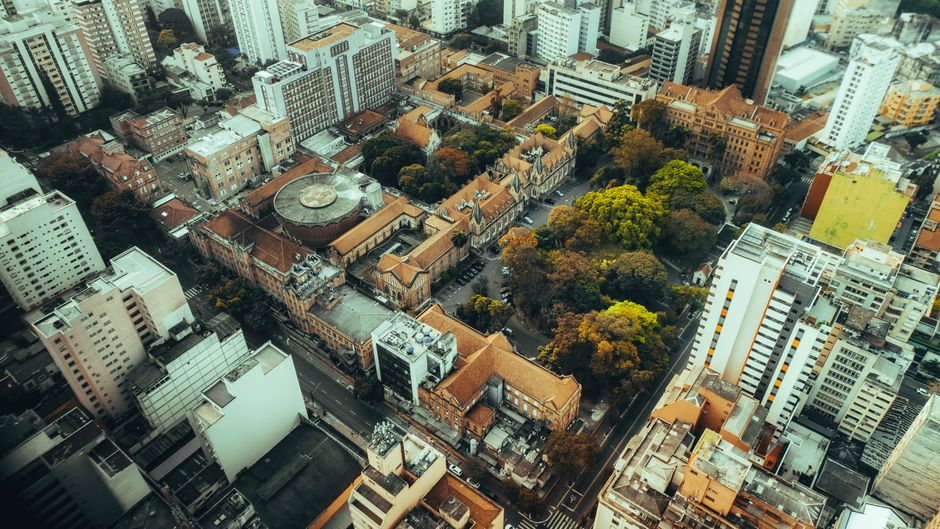
Walk down Rua Fidalga on a Friday night in 2026, and you'll notice something has shifted in Vila Madalena. The neon-soaked shots bars that once dominated the cobblestone streets have given way to intimate speakeasies and wine-focused lounges. What was once Latin America's most unabashed party district is quietly reinventing itself—and locals have complicated feelings about it.
The transformation reflects broader changes in how São Paulo's affluent 25-45 demographic socialises. According to data from hospitality consultancy Abrasel, craft cocktail bars in the neighbourhood increased by 42% between 2022 and 2026, while traditional boteco-style establishments declined by 28%. Prices have climbed accordingly: a caipirinha at a Vila Madalena establishment now averages R$35-45, compared to R$12-15 in outer neighbourhoods.
New venues like the recently opened Casa Pulque on Rua Bispo de Cotton exemplify this shift. Rather than competing on volume and noise, the bar emphasises mezcal education and sustainability, featuring Mexican spirits in a design-forward space that wouldn't look out of place in Brooklyn. Meanwhile, long-standing institutions are adapting: Boteco do Belmiro, a fixture since 1987, now hosts curated live music sessions alongside its traditional chopp service.
The change extends beyond drinks. Community spaces are emerging—coworking lounges that double as evening hangouts, like those operated by local nonprofit Espaço Vila, are attracting professionals seeking less chaotic social venues. The neighbourhood's street art scene, always integral to its identity, has become more curated, with Prefeitura-sanctioned murals replacing spontaneous graffiti.
Environmental consciousness plays a role too. Zero-waste bars focusing on seasonal ingredients and reusable glassware have opened along Rua Aspicuelta, responding to younger patrons' sustainability concerns. One establishment eliminated single-use plastics entirely, reducing waste by 67% within its first year of operation.
Yet longtime residents worry Vila Madalena risks losing its soul. The bohemian edge that attracted artists and musicians for decades now competes with Instagram-ready aesthetics and premium pricing. Gentrification pressures are real: rental costs in the neighbourhood rose 31% since 2023.
What's emerging is a neighbourhood in flux. Vila Madalena hasn't abandoned nightlife—it's simply grown up. Whether that evolution represents progress or loss depends largely on who you ask, and how much you're willing to pay for a drink.
This article was compiled by AI from the sources linked above and screened before publishing. See our editorial standards.
How does this story make you feel?
Spread the word
About this article
Published by The Daily São Paulo
Daily brief
Free, in your inbox before 7am. Weekdays.
More in lifestyle

