Walk down Rua Mourato Coelho on a Friday evening and you'll notice something that would have seemed unlikely five years ago: Vila Madalena is breathing. Where street art once dominated the neighbourhood's personality, curated gardens, pocket parks, and outdoor community spaces are now anchoring a subtly different identity—one that prizes connection to nature alongside creative expression.
The transformation accelerated dramatically after the 2024 municipal green space initiative, which allocated R$12 million toward park restoration across central São Paulo. Vila Madalena received a significant portion, sparking the redesign of three key areas: Praça Benedito Calixto, traditionally a weekend art fair hub, now features native Cerrado plantings and shaded seating; the refurbished green corridor along Rua Fidalga now includes community garden plots managed by residents; and most visibly, the reimagined Largo da Batata—historically a transit node—has morphed into a weekend gathering point with food vendors, fitness classes, and landscaped terracing.
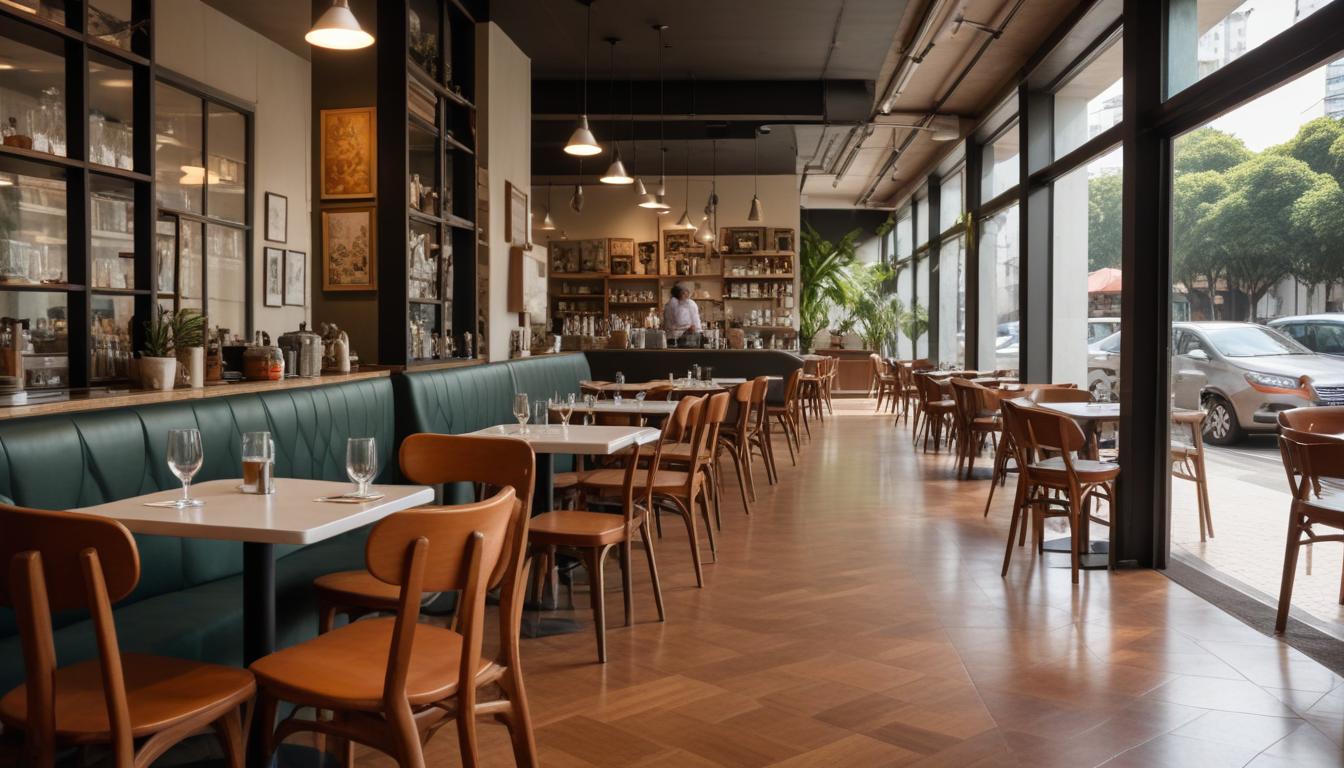
Local businesses are adapting to this shift. Outdoor seating at cafés and restaurants has expanded by roughly 35% according to Vila Madalena's commercial association, with proprietors investing in planters and greenery to blur boundaries between interior and exterior spaces. Yoga studios, which numbered just four in 2022, have grown to eleven, many now offering sunset classes in the neighbourhood's parks. A new non-profit, Verde Vila, has trained 60 residents in urban gardening and coordinates monthly maintenance of the Rua Fidalga plots.
The demographic impact is notable. Real estate agents report younger families—priced out of Pinheiros but attracted to Vila Madalena's creative reputation—are now equally drawn to proximity to green space. Average monthly rent for a two-bedroom apartment has climbed 18% since 2024, partially attributed to the neighbourhood's enhanced outdoor amenities. Meanwhile, gentrification concerns persist, with long-time residents and artists expressing anxiety about rising costs.
This evolution reflects a broader São Paulo trend. The city's per capita green space ratio—historically lagging at 7.2 square metres per person against the WHO recommendation of 9—is slowly improving through targeted neighbourhood interventions rather than large-scale projects. Vila Madalena's transformation suggests a model: strategic investment in existing public spaces, community stewardship, and tolerance for mixed-use outdoor culture can reshape neighbourhood character without erasing what made it distinct.
Whether this balance holds as commercial pressures intensify remains the neighbourhood's defining question.
This article was compiled by AI from the sources linked above and screened before publishing. See our editorial standards.