Moving to São Paulo? Here's What Locals Actually Want You to Know
Skip the guidebooks—we asked expats and longtime residents what really matters when settling into Brazil's largest metropolis.
Skip the guidebooks—we asked expats and longtime residents what really matters when settling into Brazil's largest metropolis.
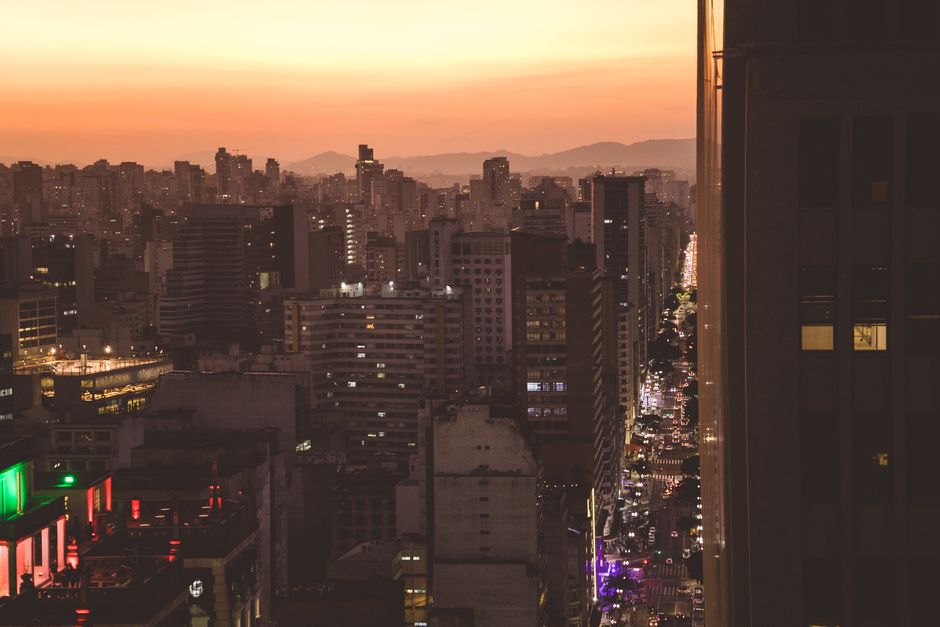
São Paulo's reputation precedes it: chaotic, vibrant, expensive, exhausting. For expats landing in South America's financial powerhouse, the reality is more nuanced than any travel blog suggests. We spoke with long-term residents across the city to separate myth from daily truth.
Where to actually live matters enormously. Pinheiros and Vila Madalena appeal to creative professionals, but rental prices in these neighbourhoods routinely exceed R$4,500 monthly for modest two-bedroom apartments. Consolação and República offer better value and walkability, though safety varies by block—locals emphasise checking street-level reality after dark rather than relying on maps alone. Vila Leopoldina, near the Pinheiros River, attracts families seeking quieter surroundings without sacrificing nightlife access.
Public transport requires strategy, not avoidance. The metrô (subway) is efficient and costs just R$4.40 per journey, but peak hours between 7–9am and 5–7pm transform stations into human pressure cookers. Savvy expats use apps like Moovit or Citymapper, budget 90 minutes for unfamiliar journeys, and accept that weekend travel feels remarkably civilised by comparison. Ride-sharing apps operate widely, though surge pricing during rain can be brutal.
Healthcare demands proactive navigation. Brazil's public system (SUS) exists but foreign residents typically register with private insurers like Unimed or SulAmérica, costing between R$400–800 monthly depending on age and coverage. Research your employer's plan before arrival; many multinationals provide comprehensive packages that spare you this administrative headache.
Food culture rewards exploration beyond tourist zones. Yes, Liberdade's Japanese restaurants attract crowds, but locals source fresh ingredients at Pça. Benedito Calixto (Pinheiros) on weekends and eat casual *boteco* meals across Bom Retiro and Brás for authentic São Paulo dining at fraction-of-restaurant prices.
Bureaucracy is real but manageable. Opening a bank account, obtaining a CPF (tax number), and navigating residency paperwork typically require patience and local guidance. Consider hiring a relocation specialist for approximately R$2,000–3,000; time saved justifies the investment when facing government offices.
The city's energy is genuine. Expats consistently report initial overwhelm followed by unexpected belonging. São Paulo's size means niche communities thrive—coworking spaces in Brás, English-language book clubs in Itaim, international schools with established networks. The city doesn't soften; you adjust, and eventually, its organised chaos becomes home.
This article was compiled by AI from the sources linked above and screened before publishing. See our editorial standards.
How does this story make you feel?
Spread the word
About this article
Published by The Daily São Paulo
Daily brief
Free, in your inbox before 7am. Weekdays.
More in lifestyle

