Why São Paulo's Markets Beat Every Other Global Shopping Hub—From Tokyo to Manhattan
This city's peculiar blend of authentic craftsmanship, democratic pricing, and cultural diversity creates a retail experience you simply cannot replicate elsewhere.
This city's peculiar blend of authentic craftsmanship, democratic pricing, and cultural diversity creates a retail experience you simply cannot replicate elsewhere.
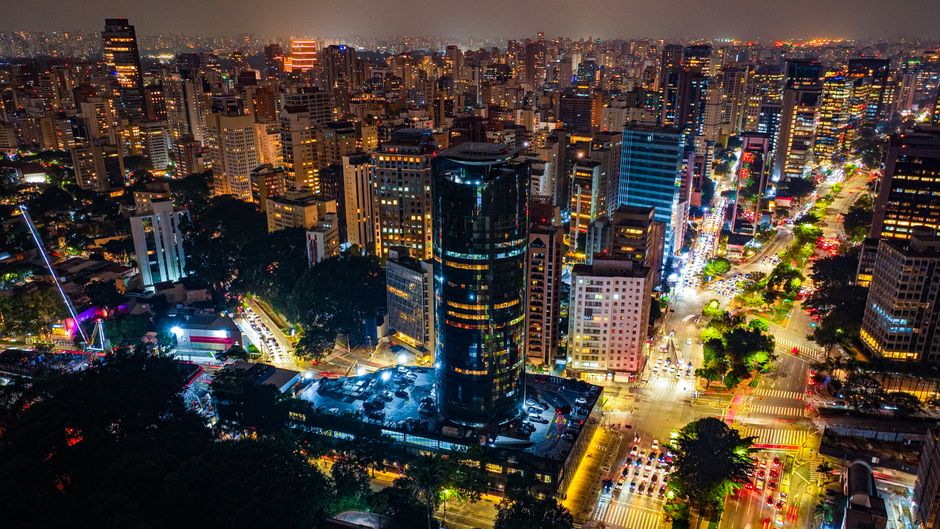
Walk into the Mercado da Lapa on a Saturday morning, and you'll understand immediately why São Paulo's shopping culture defies global comparison. Unlike the sterile uniformity of Manhattan's Fifth Avenue or the tourist-trap theatrics of Tokyo's Shibuya Crossing, this city offers something rarer: authentic commerce where artisans, vendors, and shoppers still negotiate the very meaning of value.
The numbers tell part of the story. São Paulo hosts over 50 permanent street markets and fairs, from the sprawling Feira da Rua 25 de Março—where textile traders have operated for decades—to the Mercadão de São Bento, Brazil's oldest and largest public market. On any given day, this 90-year-old institution moves tonnes of fresh produce, spices, and handmade goods at prices that would shock visitors accustomed to London's Borough Market markup culture.
What genuinely sets São Paulo apart is the absence of homogenization. In the Bom Retiro neighbourhood, you'll find Armenian textile merchants operating alongside Japanese fabric importers and Korean fashion wholesalers—a living archive of migration that shapes inventory in ways no algorithm could predict. Meanwhile, the Rua 25 de Março maintains its role as the nation's wholesale hub, where small entrepreneurs source goods at genuine wholesale rates rather than the inflated "artisanal premium" common in European cities.
The cultural dimension proves equally distinctive. Vila Madalena's weekend street fairs celebrate local designers and craftspeople with an egalitarian spirit absent from curated luxury markets elsewhere. A hand-thrown ceramic piece costs R$80-150 here; the identical item in Copenhagen or Barcelona carries a 300% markup. This pricing democracy reflects São Paulo's approach to retail as community infrastructure rather than exclusively aspirational experience.
Perhaps most importantly, São Paulo's markets remain genuinely unpredictable. You might discover a vintage vinyl dealer nested between a traditional bahian spice vendor and a contemporary jeweller—combinations that would never coexist in the carefully zoned retail districts of other world cities. This organic mixing, born from decades of immigration waves and working-class commercial tradition, creates discovery opportunities that Instagram influencers haven't yet commodified.
The city's retail soul remains ungentrified at its core. While São Paulo certainly hosts luxury shopping—Avenida Paulista and JK Iguatemi serve that market—the true competitive advantage lies in what remains: markets where commerce still functions as social theatre, where prices reflect actual cost rather than brand mythology, and where walking three blocks means entering an entirely different commercial universe.
That's not merely shopping. That's São Paulo.
This article was compiled by AI from the sources linked above and screened before publishing. See our editorial standards.
How does this story make you feel?
Spread the word
About this article
Published by The Daily São Paulo
Daily brief
Free, in your inbox before 7am. Weekdays.
More in lifestyle

