Moving to São Paulo? Here's what locals actually want you to know
Forget the guidebooks—we asked seasoned expats and longtime residents to share the real advice that makes relocation to Brazil's biggest city work.
Forget the guidebooks—we asked seasoned expats and longtime residents to share the real advice that makes relocation to Brazil's biggest city work.
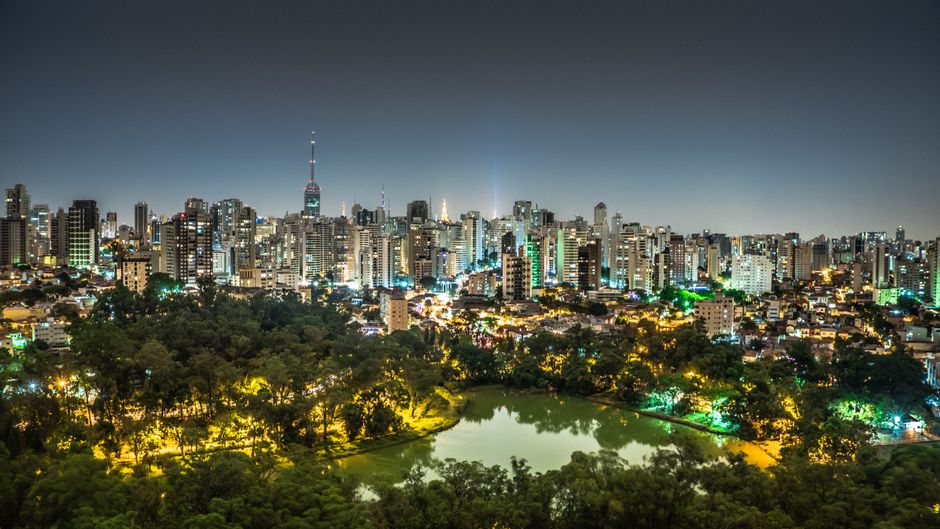
São Paulo surprises newcomers. The chaotic energy, the traffic that defies logic, the warmth of strangers in Vila Madalena bars—it's nothing like the polished versions you'll find online. After speaking with expats who've made the jump in recent years, a clear picture emerges of what actually matters when relocating to this sprawling megacity of 12 million people.
Start with neighbourhood choice, and forget romance. Pinheiros and Vila Madalena draw international arrivals for their cafés and nightlife, but locals emphasize practicality: proximity to your workplace matters more than Instagram appeal. The commute from Zona Oeste to Paulista Avenue can stretch to two hours during peak traffic. Vila Olímpia, near the financial district, commands premium rents (averaging R$4,500–R$6,500 for a one-bedroom apartment) but saves hours weekly. Consolação and Santa Cecília offer better value and genuine character, though you'll need comfort with grittier streets.
Healthcare deserves immediate attention. Brazil's public system (SUS) is stretched; private insurance through providers like Amil or SulAmérica costs R$800–R$2,000 monthly but provides access to quality hospitals like Hospital 9 de Julho and Hospital Sírio-Libanês. Don't delay this step.
Language barriers are real but manageable. English speakers cluster in corporate environments, but daily life—banking, utilities, neighbourhood interactions—requires Portuguese. Apps like Duolingo won't cut it; invest in classes at institutions like Wizard or local community centres. Brazilians appreciate effort; broken Portuguese opens doors.
Banking is bureaucratic. Opening a conta corrente (checking account) at Itaú, Bradesco, or Banco do Brasil demands documents that seem excessive to outsiders: passport, proof of residence, CPF (tax ID), and sometimes a letter from your employer. Allow three weeks. Digital banks like Nubank expedite the process but lack some traditional services.
Transportation: buy a Vivo Easy card for buses and metro, or use apps. The metro is clean and efficient but doesn't reach many neighbourhoods. Uber and 99 (local competitor) are reliable, though surge pricing during rain turns R$20 rides into R$60 journeys.
Finally, embrace the social rhythm. São Paulo residents work intensely but socialise seriously. Accepting dinner invitations, joining futsal leagues, or becoming a regular at neighbourhood padarias (bakeries) accelerates integration. The city rewards engagement.
Relocation takes patience, but locals consistently note: those who arrive expecting New York's efficiency struggle; those who adapt to São Paulo's rhythm—accepting chaos as feature, not bug—thrive.
This article was compiled by AI from the sources linked above and screened before publishing. See our editorial standards.
How does this story make you feel?
Spread the word
About this article
Published by The Daily São Paulo
Daily brief
Free, in your inbox before 7am. Weekdays.
More in lifestyle

