The Real Guide to São Paulo's Best Neighbourhoods: Tips and Honest Recommendations from Locals Who Live It Daily
Skip the tourist blogs—here's what actual residents say about where to live, eat, and belong across the city's most vibrant quarters.
Skip the tourist blogs—here's what actual residents say about where to live, eat, and belong across the city's most vibrant quarters.
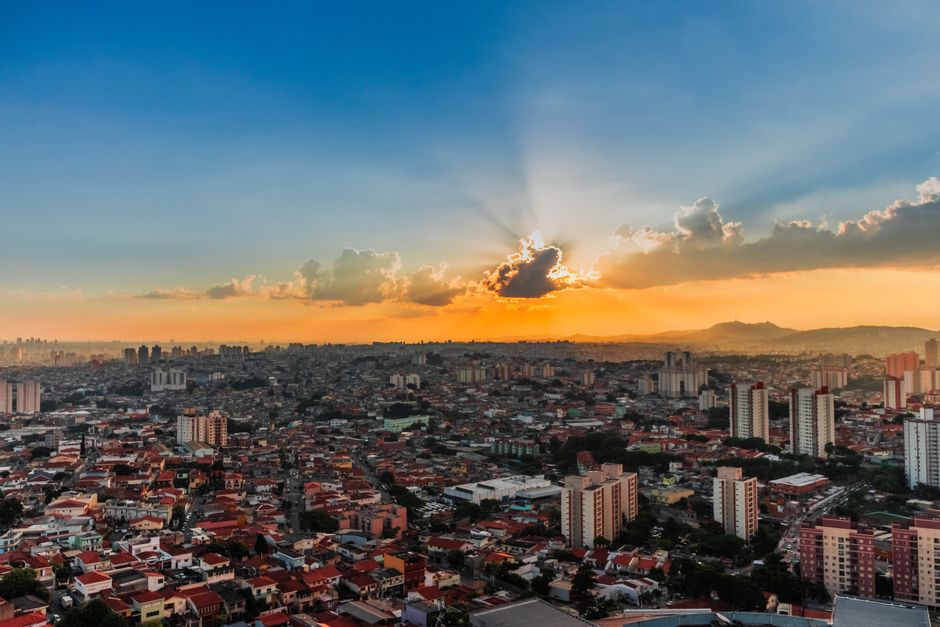
São Paulo's 12 million residents don't all agree on much, but ask any long-term local about neighbourhood life and you'll hear candid truths that guidebooks miss. After talking with residents across the city's most established quarters, a clearer picture emerges of where people genuinely want to plant roots.
Vila Madalena remains the creative heartland, locals say, though gentrification has pushed prices north of R$12,000 per square metre for apartments. Rua Fradique Coutinho pulses with galleries, bars and vintage shops, but residents acknowledge the neighbourhood has lost some authenticity. What keeps people here? The human scale—narrow streets where you actually see neighbours—and proximity to Parque da Cantareira's hiking trails.
Pinheiros has emerged as the more affordable alternative, drawing young professionals who work in Faria Lima. The waterfront along Rio Pinheiros is finally becoming accessible again after decades of neglect, with new cycling paths and community gardens changing daily life. Locals praise the emerging food scene around Rua Mourato Coelho, though they warn that metro accessibility remains frustratingly limited.
For families seeking green space without sacrificing urban energy, Perdizes delivers. The neighbourhood's tree-lined streets and proximity to Parque da Água Branca create a village feeling within the city. Schools here are competitive, and weekend crowds at Praça Benedito Calixto's organic market confirm its residential appeal—though parking remains perpetually chaotic.
Consolação and República, once written off as purely commercial zones, are quietly transforming. Young artists and entrepreneurs are converting abandoned buildings into studios and co-working spaces. Yes, street safety requires vigilance, but residents who've committed to these central neighbourhoods report remarkable community-building efforts and significantly lower rents than established residential areas.
What unites locals across all these quarters? Frustration with public transport inconsistency and enthusiasm for hyperlocal solutions. Every neighbourhood worth living in has developed its own informal networks—Facebook groups, WhatsApp communities, cooperative shopping collectives—that new residents quickly discover matter more than any app.
The honest take: São Paulo's best neighbourhood isn't about Instagram-worthy corners. It's about finding where other people have decided to make their actual lives, and whether you can imagine doing the same. Visit on weekends, chat with people in queues at neighbourhood bakeries, check the community bulletin boards. That's where real São Paulo residents reveal where they genuinely belong.
This article was compiled by AI from the sources linked above and screened before publishing. See our editorial standards.
How does this story make you feel?
Spread the word
About this article
Published by The Daily São Paulo
Daily brief
Free, in your inbox before 7am. Weekdays.
More in lifestyle

