Why São Paulo's Commute Is Unlike Any Other Major City on Earth
A sprawling metropolis of 12 million people has created a transport culture that blends chaos, innovation, and unmistakable Brazilian pragmatism.
A sprawling metropolis of 12 million people has created a transport culture that blends chaos, innovation, and unmistakable Brazilian pragmatism.
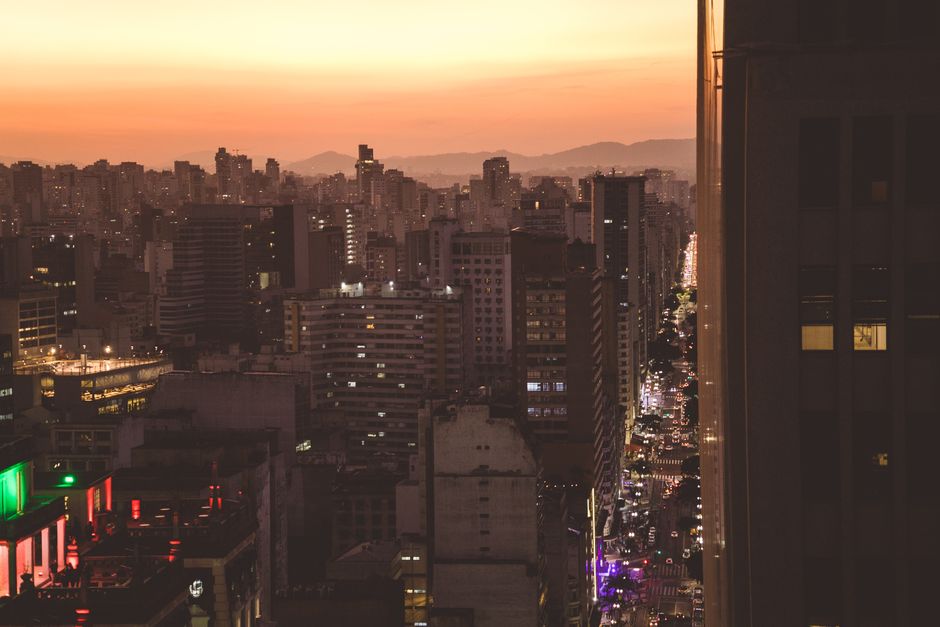
Getting around São Paulo is an experience that defies comparison. While New York has its subway graffiti, London its Underground delays, and Tokyo its ordered efficiency, Brazil's largest city operates on an entirely different wavelength—one that reflects the metropolitan character of 12 million souls navigating Latin America's most complex urban landscape.
The city's transport identity crystallises most vividly in its beloved but perpetually congested metro system. The São Paulo Metro, which carries roughly 5 million passengers daily, is a case study in engineered ambition meeting practical reality. Unlike the sleek automation of Singapore's MRT or Copenhagen's driverless trains, São Paulo's metro thrums with unmistakable human energy. During peak hours on the Red Line between Tatuapé and Palmeiras-Barra Funda, commuters perform an almost ritualistic dance of boarding and alighting—a compressed human symphony that repeat travellers navigate with practiced grace.
But here's what makes São Paulo genuinely distinct: the city has embraced a transport pluralism that richer nations have abandoned. While cyclists in Amsterdam coast on dedicated paths and London cyclists jostle for survival, São Paulo's biking culture exists in a state of creative rebellion. The city's expanding ciclovias network—including the scenic routes along the Pinheiros River and through Ibirapuera Park—coexists with one of the world's most robust informal motorcycle taxi (mototaxi) ecosystems. An estimated 100,000 mototaxistas operate across the metropolitan area, offering transport that is simultaneously unregulated, economically vital, and culturally inseparable from daily life.
Then there's the bus system. São Paulo operates approximately 15,000 buses across 509 routes, creating a labyrinthine network that would confound urban planners in Singapore or Stockholm. Yet locals decode it with instinctive fluidity. The 151-Imigrantes line, the 702-Castelo, the 174-Morumbi—these aren't just numbers but established characters in the city's commuting narrative. At roughly R$4.40 per journey, buses represent affordable transport at genuine scale.
What truly separates São Paulo is the absence of transport singularity. In many global cities, there's a prescribed hierarchy—the metro for sophisticates, buses for the budget-conscious, cars for the impatient. Here, everyone moves fluidly between modalities. A professional might take the metro from Vila Mariana to Luz, hop a bus to Pinheiros, then grab a mototaxi for the final dash to their destination. The city doesn't impose transport ideology; it enables transport pragmatism.
This isn't efficient by Scandinavian standards, nor convenient by Asian metrics. But it's undeniably, unmistakably São Paulo—a transport culture that prizes accessibility and adaptability over algorithmic perfection. And in a city of this scale and complexity, that distinction matters enormously.
This article was compiled by AI from the sources linked above and screened before publishing. See our editorial standards.
How does this story make you feel?
Spread the word
About this article
Published by The Daily São Paulo
Daily brief
Free, in your inbox before 7am. Weekdays.
More in lifestyle

