São Paulo's Expat Renaissance: Why Now Is the Best Time to Relocate to Brazil's Capital
Fresh metro lines, booming cultural districts, and a strengthened real estate market are transforming how newcomers experience the city.
Fresh metro lines, booming cultural districts, and a strengthened real estate market are transforming how newcomers experience the city.
São Paulo has undergone a remarkable transformation over the past 18 months, and expats arriving now are discovering a city that feels almost unrecognizable from even three years ago. For relocating professionals and families, the timing couldn't be better.
The completion of Line 6 on the Metro system has been a game-changer. Connecting Brasilândia to Bandeira via Sumaré and Consolação, the line has dramatically shortened commute times and opened up previously undervalued neighbourhoods to newcomers seeking authenticity and affordability. Areas like Vila Madalena and Pinheiros—already popular—have seen fresh investment in co-working spaces and health-conscious cafés catering to the international crowd. Monthly rent for a two-bedroom apartment in Pinheiros now averages R$3,500–4,200, a stabilization after years of volatility that has encouraged longer-term leasing.
Culturally, the city's creative districts are experiencing a genuine renaissance. The revitalization of Rua 25 de Março and the adjacent Bom Retiro neighbourhood has attracted independent galleries, design studios, and international craft breweries. Meanwhile, the Jardins district—Jardim Paulista and Cerqueira César—remain the preferred base for corporate expats, with proximity to Avenida Paulista's business hubs and easy access to international schools like Escola Graduada and Mackenzie.
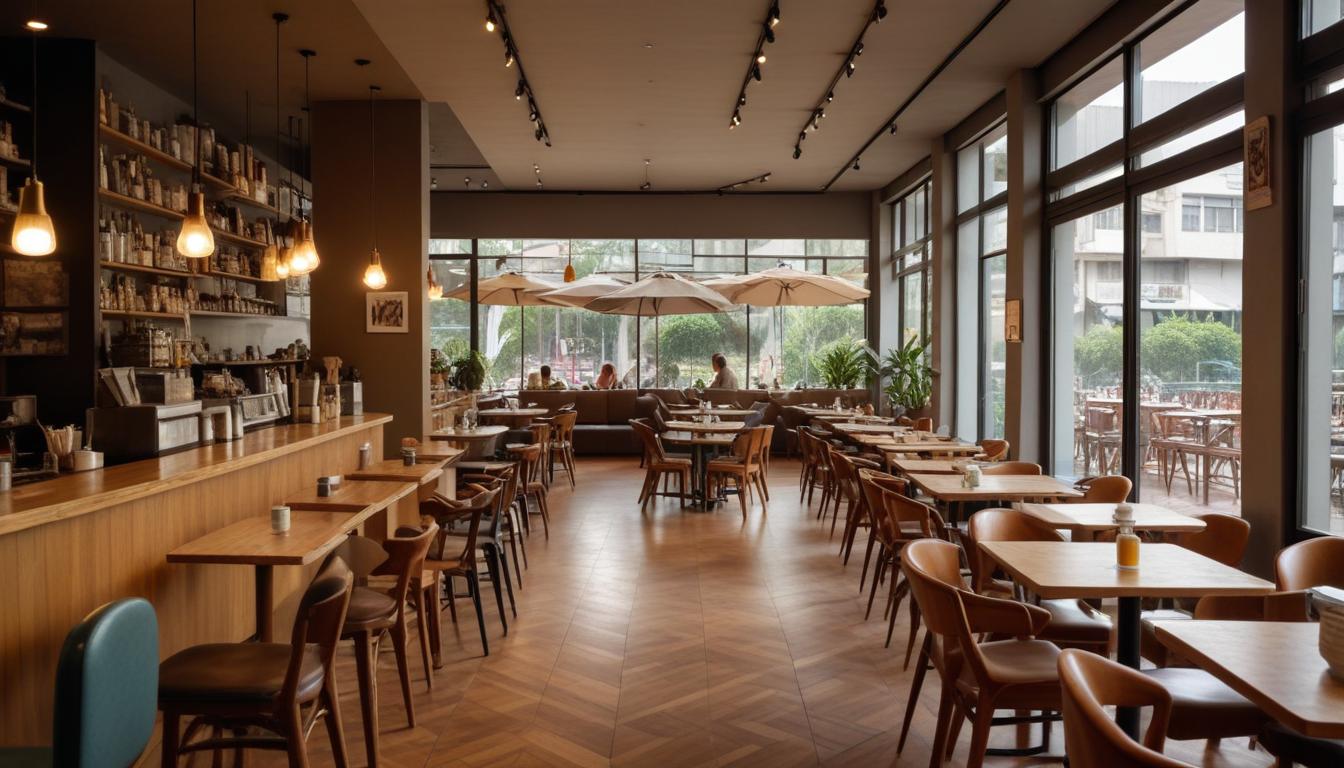
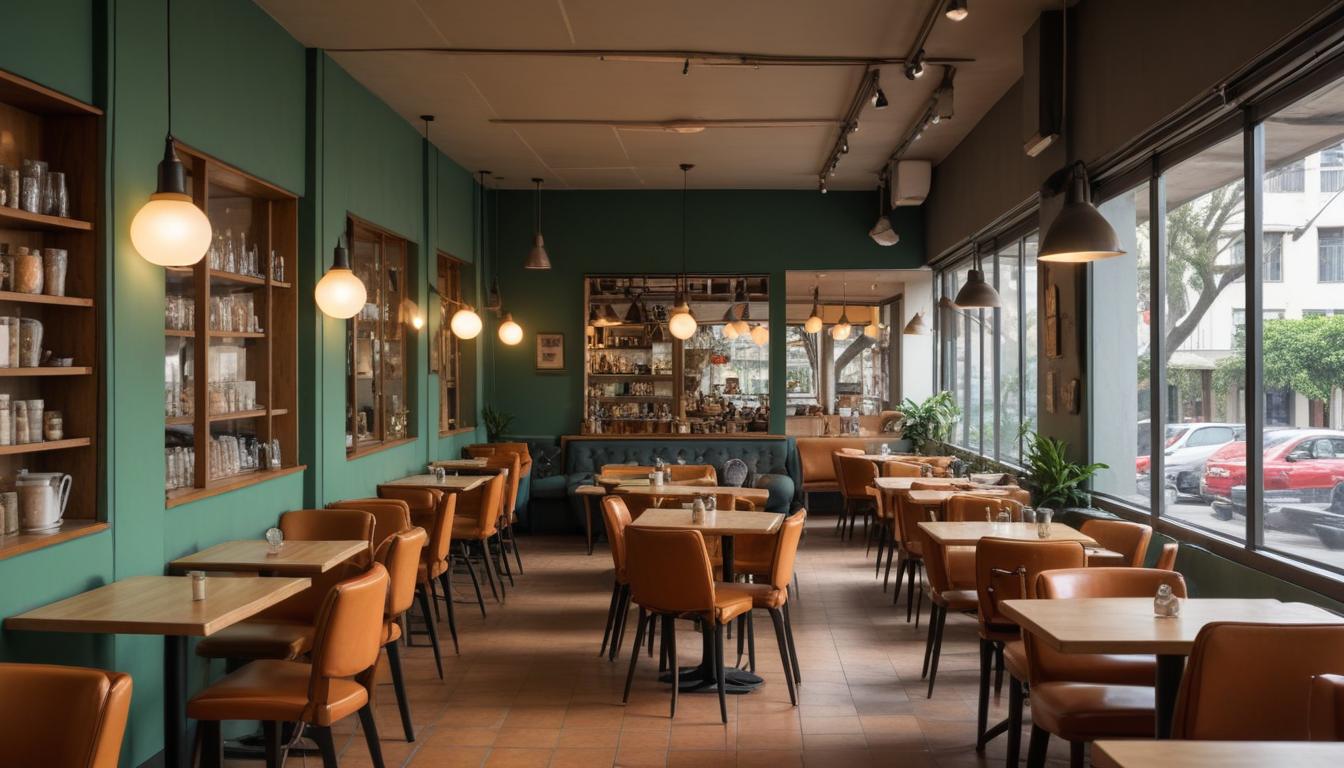
The food scene tells its own story. While neighbourhoods like Mooca have long hosted immigrant communities, the professionalization of São Paulo's dining culture means expats now find superior ingredients, international dining standards, and English-speaking hospitality across the city—not confined to expensive fine-dining enclaves. The surge in quality Asian markets around Liberdade and emerging farm-to-table concepts in Vila Madalena reflects this shift.
Infrastructure improvements extend beyond transit. Airport connectivity has improved significantly, with expanded international flight options making São Paulo increasingly accessible for frequent travellers. Healthcare remains a draw: residents typically access excellent private care through plans costing R$400–800 monthly, with hospitals like Hospital Sírio-Libanês maintaining world-class standards.
Expat support organizations like the British Community Council and various LinkedIn-based relocation networks have become increasingly sophisticated, offering practical guidance on everything from visa procedures to school selection and Portuguese lessons. What's changed most is the city's self-confidence: locals genuinely love their city again, and that enthusiasm is contagious.
For newcomers, the calculus is straightforward: a stronger real estate market means predictability, improved infrastructure reduces daily friction, and a vibrant cultural scene offers genuine quality of life beyond expat bubbles. São Paulo in 2026 finally feels like a city that's cracked the code on scaling without losing its character.
This article was compiled by AI from the sources linked above and screened before publishing. See our editorial standards.
How does this story make you feel?
Spread the word
About this article
Published by The Daily São Paulo
Daily brief
Free, in your inbox before 7am. Weekdays.
More in lifestyle