São Paulo's Schools Are Finally Getting the Flex They Need—And Parents Are Thriving
A shift toward hybrid learning, mental health support, and neighbourhood-based community hubs has transformed how families navigate education in the city.
A shift toward hybrid learning, mental health support, and neighbourhood-based community hubs has transformed how families navigate education in the city.
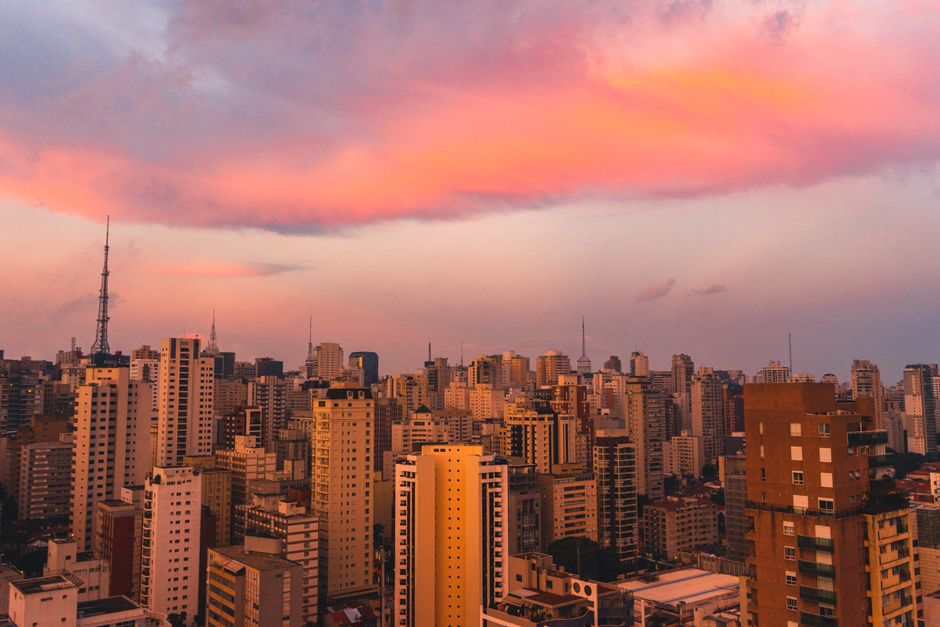
Walk into any café along Rua Oscar Freire in Pinheiros these days, and you'll spot a familiar sight: parents working remotely while their kids attend hybrid school schedules. What once felt like a pandemic-era compromise has evolved into something São Paulo families genuinely prefer. The city's educational landscape has undergone a quiet revolution over the past eighteen months, and locals aren't looking back.
The shift began with flexibility. After years of rigid five-day, in-person requirements, many schools across Vila Mariana, Higienópolis, and Mooca have adopted customizable attendance models. Students might attend classes in-person three days weekly and learn remotely the other two—a rhythm that has reduced morning commute chaos on the Marginal Pinheiros and given families breathing room. "It's not about screen time anymore," explains the reality on the ground. "It's about whether the model works for your family's life."
But the real transformation goes deeper. Schools are investing seriously in mental health infrastructure for the first time. Counsellors and psychologists are now standard fixtures in mid-range and premium institutions, addressing the anxiety epidemic that parents witnessed post-2024. Neighbourhood-based learning hubs—essentially tutoring and wellness centres in Lapa, Vila Madalena, and Tatuapé—have emerged as alternatives to traditional after-school programs, offering everything from academic support to meditation sessions.
Pricing remains a concern. Premium international schools in Morumbi still command R$15,000–R$25,000 monthly, but mid-tier options have become more transparent about costs, with many schools breaking fees into manageable quarterly payments rather than annual lumps. Public school improvements, driven by municipal investment, have also narrowed the quality gap for families without deep pockets.
Perhaps most significantly, schools have embraced neighbourhood identity. Rather than viewing education in isolation, institutions now partner with local businesses, cultural centres, and NGOs. A student at a school in Vila Olímpia might intern at a startup three blocks away; one in Consolação might collaborate with local artists on civic projects. This integration has made education feel less abstracted and more rooted in the city itself.
Parents report unprecedented levels of agency. Gone are the days of one-size-fits-all schooling. Whether it's a child thriving on hybrid learning, benefiting from newly robust mental health support, or engaging through neighbourhood partnerships, São Paulo families are finding models that fit their lives—not the other way around. For a city historically defined by its intensity, that shift toward intentional, adaptive parenting feels like genuine progress.
This article was compiled by AI from the sources linked above and screened before publishing. See our editorial standards.
How does this story make you feel?
Spread the word
About this article
Published by The Daily São Paulo
Daily brief
Free, in your inbox before 7am. Weekdays.
More in lifestyle

