The Faces That Built Vila Madalena: Stories From São Paulo's Most Human Neighbourhood
In a city of 12 million, one neighbourhood on the city's west side thrives because of the artists, entrepreneurs and families who refuse to let it become generic.
In a city of 12 million, one neighbourhood on the city's west side thrives because of the artists, entrepreneurs and families who refuse to let it become generic.
Walk down Rua Aspicuelta on a Saturday morning and you'll see why Vila Madalena has become São Paulo's most fiercely defended neighbourhood. It's not the colonial architecture or the gallery-lined streets—it's the people who've chosen to stay, to build, to create here despite the relentless march of commercial homogenisation.
Maria Elena runs a used bookstore from a converted house on Rua Harmonia, surrounded by first editions and dog-eared paperbacks that cost between R$15 and R$80. For 18 years, she's watched the neighbourhood shift. "We almost lost this place to chains," she says simply. "But people fought back." The community association successfully blocked three major development projects that would have demolished heritage buildings. Today, Vila Madalena's population density sits at 7,500 residents per square kilometre—dense enough to maintain character, sparse enough to avoid becoming Manhattan.
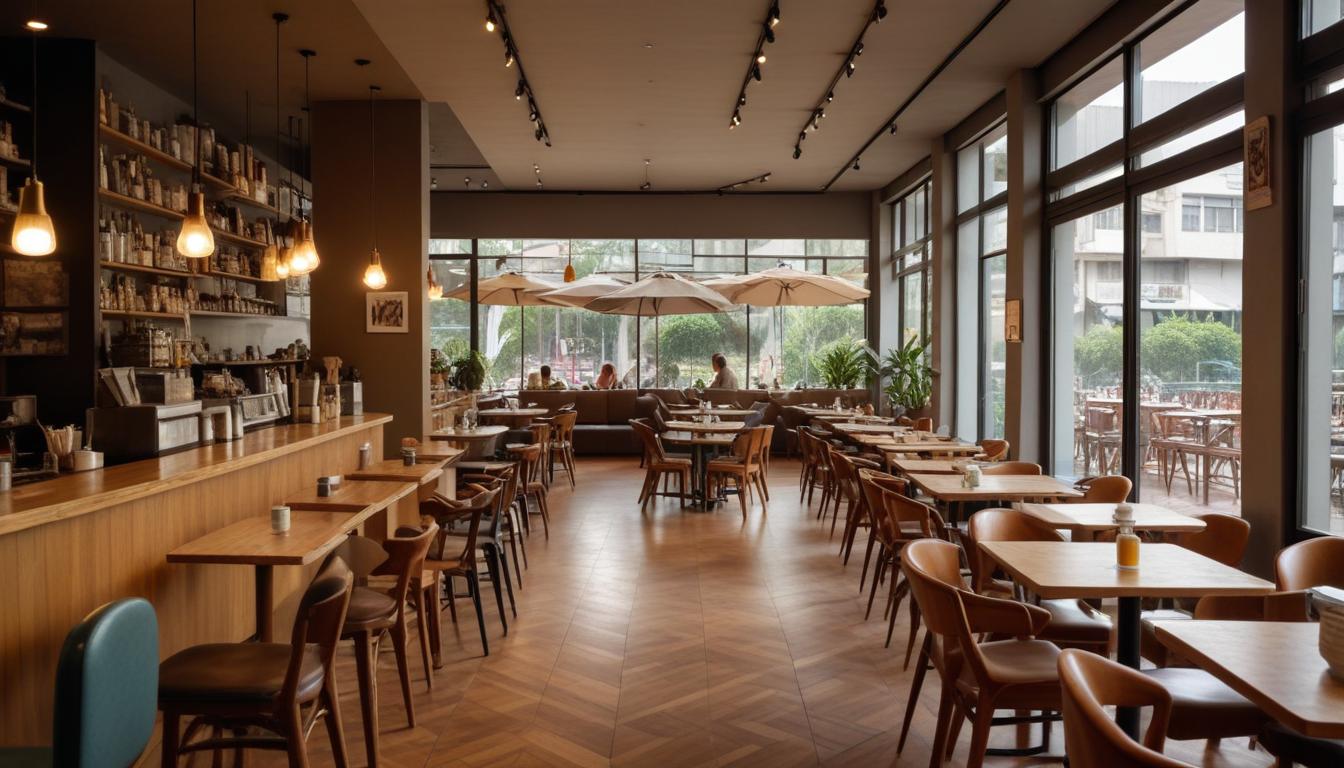
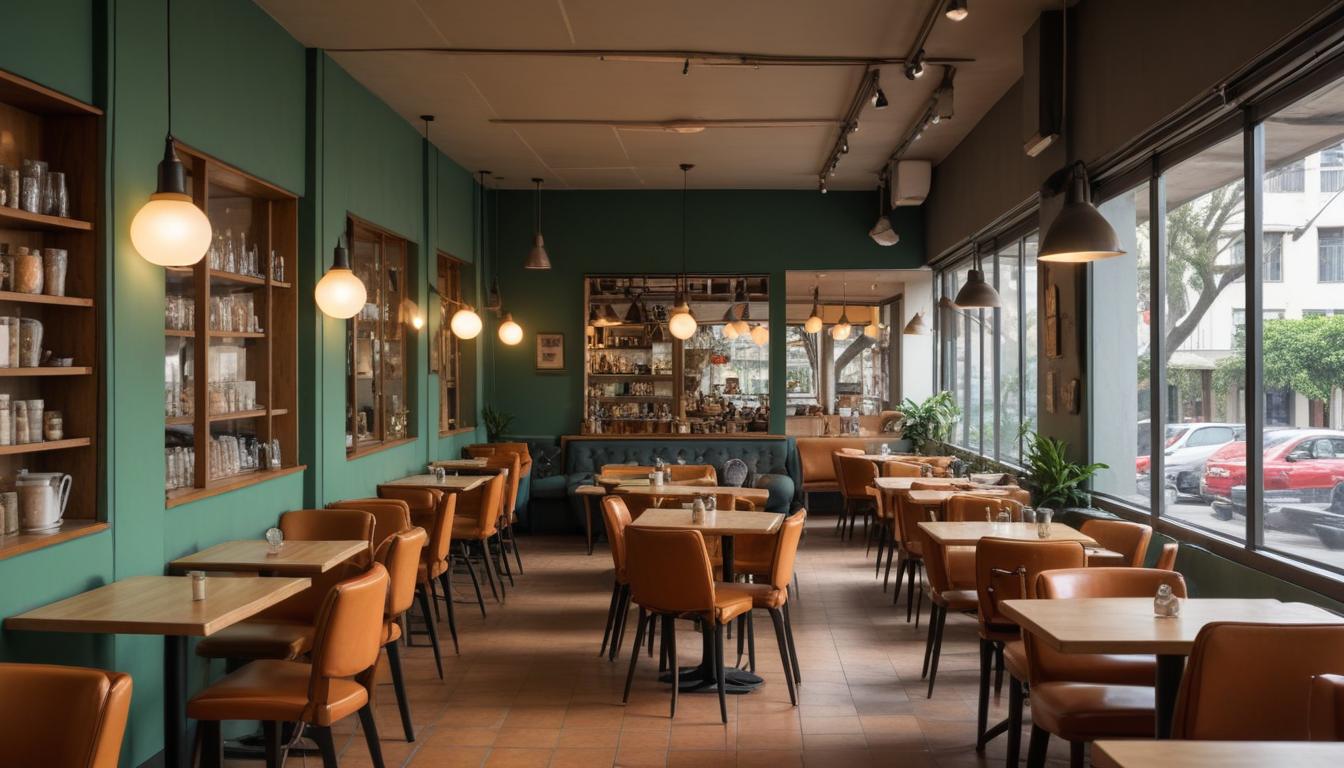
The neighbourhood's real estate values have climbed from R$8,000 per square metre in 2015 to R$18,000 today, but not everyone has been priced out. Cooperative housing projects like those managed through local organisations have kept three-bedroom apartments accessible at around R$3,500 monthly rent. Young families aren't leaving; they're renovating modest row houses and opening neighbourhood cafes that don't serve third-wave coffee at fourth-wave prices.
At the Espaço de Convivência on Rua Fradique Coutinho, a community centre operated since 2008, you'll find children's art classes, Portuguese conversation circles for immigrants, and a growing network of residents who know each other by name. This isn't manufactured community—it's the result of decades of deliberate neighbourhood-building.
The street art remains iconic. Murals by Os Gemeos and other Brazilian artists still cover walls throughout the neighbourhood, though commercialisation threatens. Local preservation groups now carefully document each major piece, ensuring that gentrification doesn't simply replace graffiti with billboards.
What makes Vila Madalena work isn't its Instagram aesthetic. It's the retired architect mentoring young designers at the community atelier. It's the Colombian family running a butcher shop who've become local historians. It's the residents who vote, who attend neighbourhood meetings, who say no when necessary.
In a sprawling metropolitan area where displacement is constant and anonymity is the default, Vila Madalena remains proof that São Paulo's character isn't predetermined. It's built by people who decide to stay.
This article was compiled by AI from the sources linked above and screened before publishing. See our editorial standards.
How does this story make you feel?
Spread the word
About this article
Published by The Daily São Paulo
Daily brief
Free, in your inbox before 7am. Weekdays.
More in lifestyle