Your Neighbourhood Navigator: A Practical Guide for São Paulo Residents Ready to Explore Local Life
From Vila Madalena's creative pulse to Pinheiros' culinary scene, here's how to unlock the best of your city's distinct communities.
From Vila Madalena's creative pulse to Pinheiros' culinary scene, here's how to unlock the best of your city's distinct communities.
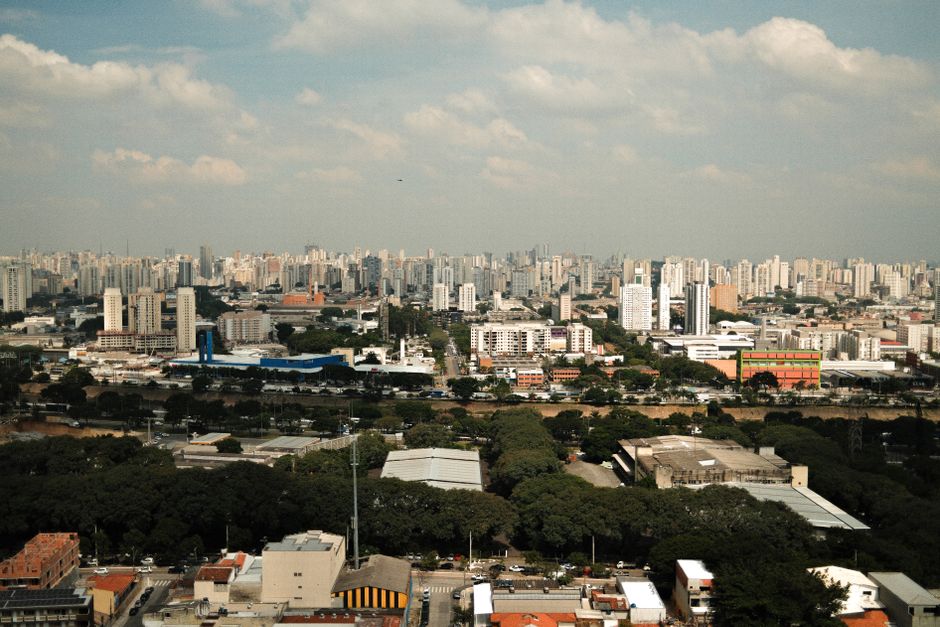
São Paulo's 96 districts offer vastly different rhythms, and knowing how to navigate them transforms daily life from routine into discovery. Whether you've just arrived or spent years here, understanding your neighbourhood's unique character and practical resources is essential to genuinely living in this city rather than simply existing within it.
Start with your immediate surroundings. Each bairro has distinct operating patterns. Vila Madalena's boutiques, galleries, and street art flourish on weekends; weekday mornings are quieter, perfect for coffee at one of the numerous specialty cafés along Rua Mourato Coelho. The neighbourhood's association of local businesses (Vila Madalena has several community organisations) maintains updated information about happenings and seasonal events. Pinheiros, meanwhile, has transformed into a food destination—Rua dos Pinheiros itself hosts everything from traditional padarias to contemporary restaurants, with most establishing their routines by 7 a.m.
Practical navigation begins with understanding transport patterns. The Metro app remains essential; cross-reference it with bus schedules via SPTrans's website or the Moovit app for real-time updates. Many residents discover their neighbourhood's character by walking secondary streets—Rua Aspicuelta in Vila Madalena or Rua Bandeira in Pinheiros reveal local shops, neighbourhood bars, and community notice boards that official tourism guides miss entirely.
Create a personal resource map. Most neighbourhoods have established pharmacies, health clinics, and markets that locals trust. Ask neighbours—genuine community knowledge, shared over a pastel at a corner boteco, often proves more valuable than online reviews. Organisations like neighbourhood associations (associações de moradores) exist throughout São Paulo; joining yours connects you to local events, infrastructure updates, and practical support networks. Many host monthly meetings or maintain WhatsApp groups sharing everything from security concerns to recommendations.
Seasonal rhythms matter too. June brings Festa Junina celebrations throughout working-class neighbourhoods like Brás and Mooca, while November sees cultural programming intensify across Vila Madalena and Pinheiros ahead of summer. Understanding these cycles helps you plan weekends and discover authentic community experiences rather than tourist-oriented attractions.
Finally, invest time in local commerce. The butcher, baker, and market vendor who know your face become informal guides to neighbourhood life. They'll tell you when new businesses open, which streets are safest at different hours, and where to find seasonal produce or hard-to-locate ingredients.
São Paulo rewards curious residents who approach their neighbourhood as a living, breathing community deserving systematic exploration rather than passive consumption.
This article was compiled by AI from the sources linked above and screened before publishing. See our editorial standards.
How does this story make you feel?
Spread the word
About this article
Published by The Daily São Paulo
Daily brief
Free, in your inbox before 7am. Weekdays.
More in lifestyle

