Raising Kids in São Paulo: What Local Parents Really Wish They'd Known
From school selection to weekend routines, here's what families navigating the city's education and parenting landscape actually recommend.
From school selection to weekend routines, here's what families navigating the city's education and parenting landscape actually recommend.
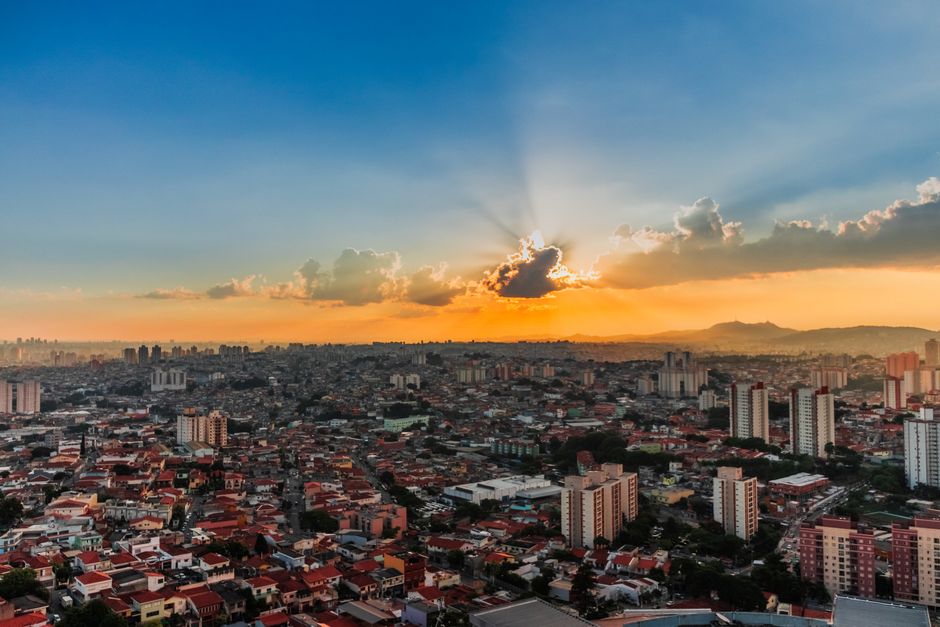
Choosing where to raise a family in São Paulo means navigating an overwhelming landscape of options—from elite private schools in Jardins to increasingly popular public alternatives in Vila Madalena and Pinheiros. Parents across the city agree on one truth: there's no single "best" choice, only the right one for your family's values and budget.
School selection remains the highest-stakes decision. Monthly tuition at top-tier institutions around Avenida Paulista ranges from R$ 3,500 to over R$ 8,000, while respected public schools in zones like Zona Oeste require strategic neighbourhood selection and early enrolment. Many experienced parents recommend visiting schools multiple times—not just during formal tours—and speaking informally with current families. Education secretariat data shows São Paulo has approximately 1.8 million students across public and private systems, yet satisfaction varies wildly by institution rather than by sector.
The daily logistics demand creativity. Traffic on the Imigrantes and Anhanguera highways means school runs in São Paulo average 45 minutes to an hour. Families living in Itaim Bibi, Mooca, or Tatuapé often choose schools within their neighbourhoods to preserve weekend time. Working parents increasingly explore after-school programmes at cultural centres like SESC Pompéia and SESC Santo André, which offer arts, sports, and academics at reasonable rates.
Weekends require planning too. Ibirapuera Park remains free and essential for family decompression, though Saturday mornings get crowded. Parque do Carmo in Tatuapé and Parque da Água Branca in Perdizes offer quieter alternatives. For rainy season activities (November to March), indoor options like the Catavento Cultural Museum or bowling alleys in Shopping Eldorado become lifelines.
Nutrition proves surprisingly nuanced in a city obsessed with food trends. Many parents reject the ultra-processed lunch boxes pushed by mainstream culture, instead using neighbourhood bakeries and markets in Zona Oeste to prepare fresh alternatives. The organic markets proliferating across Pinheiros and Vila Madalena support this shift, though they're pricier than conventional supermarkets.
Mental health conversations are finally gaining traction. Parents acknowledge that the city's pace—combined with social media pressures—demands explicit emotional literacy discussions with children. Local psychologists report a 40% increase in adolescent anxiety consultations over the past three years.
The most honest advice local parents offer: São Paulo rewards flexibility and community over perfection. Join neighbourhood parent groups on WhatsApp, attend school events genuinely, and accept that some weeks will feel chaotic. The city's energy is chaotic, but that same vitality offers children exposure to culture, diversity, and resilience unmatched elsewhere in Brazil.
This article was compiled by AI from the sources linked above and screened before publishing. See our editorial standards.
How does this story make you feel?
Spread the word
About this article
Published by The Daily São Paulo
Daily brief
Free, in your inbox before 7am. Weekdays.
More in lifestyle

