Your São Paulo Survival Kit: A Practical Guide for New Residents Ready to Explore
Beyond the initial overwhelm of Brazil's largest city lies a lifestyle of world-class dining, vibrant neighbourhoods, and genuine community—here's how to find it.
Beyond the initial overwhelm of Brazil's largest city lies a lifestyle of world-class dining, vibrant neighbourhoods, and genuine community—here's how to find it.
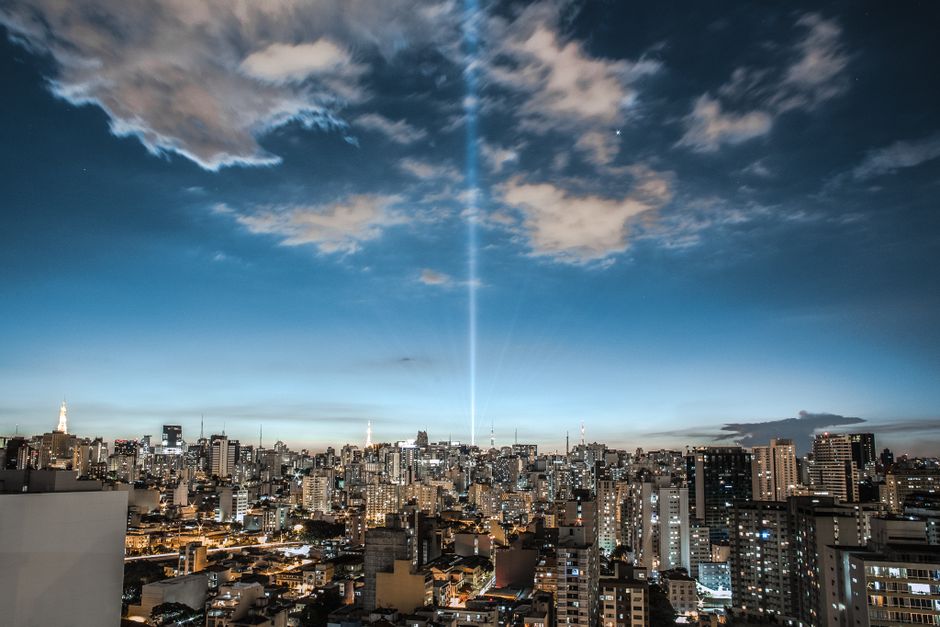
Moving to São Paulo can feel like stepping into controlled chaos. With 12 million people in the metropolitan area and neighbourhoods that shift character block by block, new residents often spend their first months in a fog of logistics. But once you've sorted the essentials—your CPF number, a reliable moving company, and a phone contract—the real São Paulo reveals itself as remarkably navigable and genuinely rewarding.
Start by anchoring yourself geographically. Most expat newcomers gravitate toward Vila Mariana, Pinheiros, or Jardins, where English is spoken more readily and infrastructure caters to international residents. But don't mistake convenience for culture. Spend weekends in Vila Madalena, where street art covers every surface and small galleries cluster along Rua Fidalga. The neighbourhood's bar scene—try Bar do Juiz or Boteco do Samba—costs a fraction of what you'd pay in equivalent neighbourhoods elsewhere.
Food is non-negotiable in São Paulo, and your budget will stretch further than you expect. A decent lunch in a casual botequim runs 25–40 reais. Upscale restaurants in Jardins average 80–150 reais per main course. But the real prize is the city's market culture. Visit Pça Benedito Calixto on Saturdays in Pinheiros, or CEAGESP (the city's vast produce market) in Zona Oeste, where locals shop and prices reflect zero tourist markup.
Getting around requires accepting that São Paulo's metro system—while extensive—has limits. A monthly pass costs around 120 reais, but taxis via apps like 99 or Uber offer reasonable alternatives for cross-town journeys. Expect 30–45 minutes for most trips; traffic is genuinely unpredictable. Invest time in learning neighbourhood connections rather than assuming direct routes.
For practical support, organisations like the British Chamber of Commerce and the American Chamber hold regular events where you'll meet other expats navigating similar questions. But don't overrely on these bubbles. Learn Portuguese basics—even imperfect attempts open doors that English never will. Local gyms, futsal courts, and Portuguese classes at institutions like Fau Mackenzie become natural social anchors.
The cultural calendar is staggering. SESC venues across the city offer cinema, theatre, and live music often cheaper than international equivalents. Pinacoteca do Estado and MASP cost under 20 reais with discounts for various days.
Most crucially: São Paulo rewards curiosity over caution. The city's size can feel isolating initially, but its genuine cosmopolitanism—shaped by waves of Japanese, Italian, Lebanese, and African-Brazilian migration—means you're not the first to arrive knowing nobody. That same density that overwhelms new arrivals becomes the city's greatest asset once you stop fighting it.
This article was compiled by AI from the sources linked above and screened before publishing. See our editorial standards.
How does this story make you feel?
Spread the word
About this article
Published by The Daily São Paulo
Daily brief
Free, in your inbox before 7am. Weekdays.
More in lifestyle

