São Paulo's Commute Defies Global Convention: Why This City's Transport Identity Stands Apart
From motorcycle taxis to underground metro art, São Paulo has engineered a transportation ecosystem unlike anywhere else on Earth.
From motorcycle taxis to underground metro art, São Paulo has engineered a transportation ecosystem unlike anywhere else on Earth.
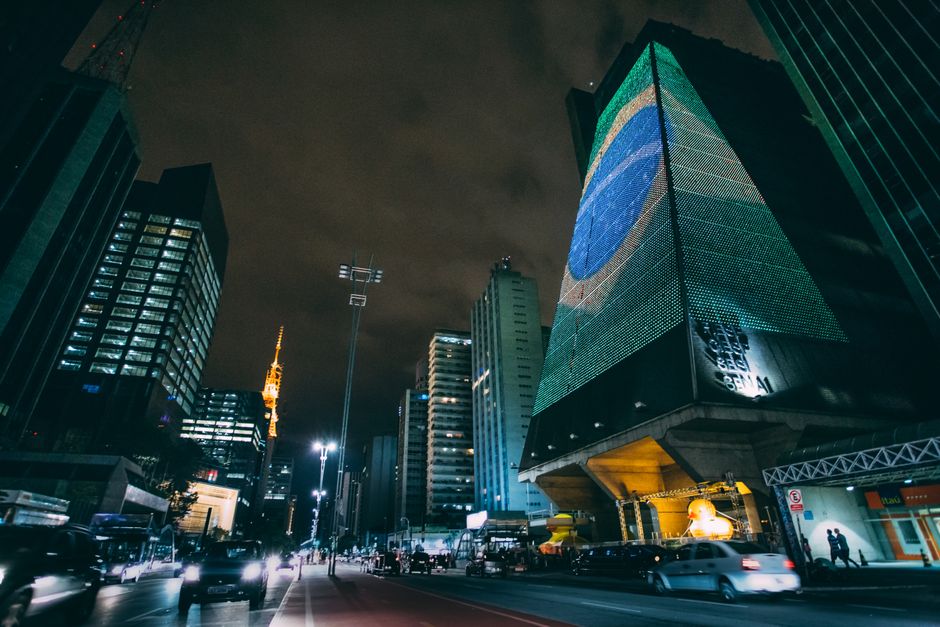
Standing on Avenida Paulista during rush hour, you witness something few other megacities can claim: a genuine fusion of formal and informal transport that somehow works. While New York perfected the subway grid and London mastered the double-decker bus, São Paulo created something entirely its own—a chaotic, creative, deeply human system that reflects the city's character far better than any standardised global model.
The metro system, which now spans 109 kilometres across six lines, moves roughly 4.5 million passengers daily. But here's what makes it distinctly paulista: the walls of stations like Estação da Sé and República have become galleries for Brazilian artists. You don't just commute; you experience culture. Meanwhile, the city's 14 million residents still rely on motorcycle taxis—a transport category virtually non-existent in Paris or Singapore—particularly in neighbourhoods like Vila Mariana and Pinheiros, where motos navigate congestion with an efficiency that confounds visiting urban planners.
Then there's the bus network. São Paulo operates over 1,400 bus lines, more than Tokyo or Mumbai, yet maintains a distinctly local rhythm. The system isn't just infrastructure; it's social theatre. Vendors sell coffee at stops on Rua 25 de Março; musicians perform on packed lines heading toward the suburbs. A single bus fare costs around R$4.40, making it exponentially cheaper than comparable journeys in Berlin or Toronto.
What truly sets São Paulo apart is how the city has embraced micromobility without foreign corporate dominance. While e-scooters and bikes proliferate, the real revolution happened with ciclovias—dedicated bicycle lanes that have expanded from zero in 2007 to over 700 kilometres today. The Ciclovia da Avenida Paulista on weekends transforms the city's most famous thoroughfare into something unrecognisable to weekday commuters, proving that transport infrastructure here serves social functions beyond mere movement.
The Zona Leste suburbs, home to three million people, operate almost independently from the formal city. Here, vans called 'peruas' offer flexible, responsive transit that Uber and official taxis cannot replicate. They're unregulated, technically informal, yet essential—a uniquely Brazilian solution to geometric inequality.
Unlike cities obsessed with seamless integration and apps, São Paulo's transport identity thrives on contradiction. Your commute might involve three different payment systems, two languages, a street vendor's negotiation, and a conversation with a stranger. That's not inefficiency. That's São Paulo.
This article was compiled by AI from the sources linked above and screened before publishing. See our editorial standards.
How does this story make you feel?
Spread the word
About this article
Published by The Daily São Paulo
Daily brief
Free, in your inbox before 7am. Weekdays.
More in lifestyle

