Vila Madalena's Soul Exposed: What Makes São Paulo's Most Coveted Neighbourhood Tick
Beyond the Instagram-worthy street art and boutique cafés, we explore the real community dynamics reshaping one of Brazil's most desirable addresses.
Beyond the Instagram-worthy street art and boutique cafés, we explore the real community dynamics reshaping one of Brazil's most desirable addresses.
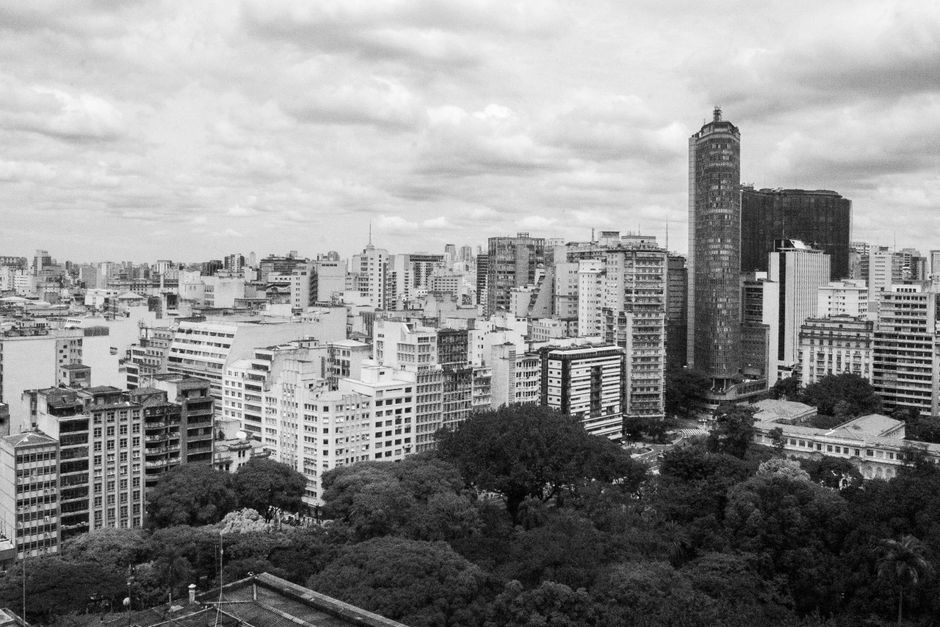
Walk down Rua Aspicuelta on a Friday evening and you'll witness the precise moment Vila Madalena transforms. The neighbourhood—historically an artist's haven since the 1980s—has undergone seismic shifts in recent years, yet its core identity persists beneath layers of gentrification and international attention. What makes this 1.2-square-kilometre pocket tick today reveals deeper truths about São Paulo's evolving urban landscape.
The neighbourhood's character is paradoxical. Property values have surged 40% in the past three years, according to local real estate data, pricing out many working-class families who built the community's bohemian reputation. Yet walking through the labyrinth of narrow streets—particularly around Rua dos Pinheiros and Praça Benedito Calixto—you'll encounter a fierce localism that resists homogenisation. The Saturday morning farmers market in the Praça still draws multi-generational families, many whose relatives have inhabited the area for decades.
What distinguishes Vila Madalena from neighbouring Pinheiros or Cerqueira César is organisational resilience. The Vila Madalena Cultural Association, established in 1997, actively mediates between long-time residents and newcomers. Community associations have successfully resisted three separate commercial development proposals since 2023, protecting what locals call the 'human scale' of the neighbourhood.
The street art remains authentic—not a curated corporate installation programme but the ongoing work of networks like Coletivo Mentes Criativas. These groups collaborate with resident associations on public murals, transforming walls into community conversation starters rather than mere aesthetic backdrops. This collaborative approach distinguishes Vila Madalena from sterile art districts.
Economic diversity persists despite pressure. Alongside the €200+ per-person restaurants emerging along Rua Mourato Coelho, botequins operated by families for 30-plus years maintain affordable lunch menus under R$30. The botequim culture—informal neighbourhood bars serving coffee, beer, and community—remains the democratic heart of the area.
What outsiders often miss: Vila Madalena's strongest current tension isn't between old and new residents, but between commercial pressure and community preservation. The Associação de Moradores meets monthly, discussing parking restrictions, short-term rental regulations, and pedestrian safety. These unglamorous discussions actually determine neighbourhood texture far more than any guidebook.
The neighbourhood's future hinges on whether community organisations can maintain this balance. For now, Vila Madalena survives not through nostalgic reverence for its artistic past, but through active, sometimes messy, neighbourhood-level democracy—a living system, not a museum exhibit.
This article was compiled by AI from the sources linked above and screened before publishing. See our editorial standards.
How does this story make you feel?
Spread the word
About this article
Published by The Daily São Paulo
Daily brief
Free, in your inbox before 7am. Weekdays.
More in lifestyle

