São Paulo's Commute Revolution: Why Getting Around the City Feels Less Like a Battlefield
New metro extensions, cycle lanes and real-time apps have transformed daily travel in Brazil's megacity—and locals are finally feeling the relief.
New metro extensions, cycle lanes and real-time apps have transformed daily travel in Brazil's megacity—and locals are finally feeling the relief.
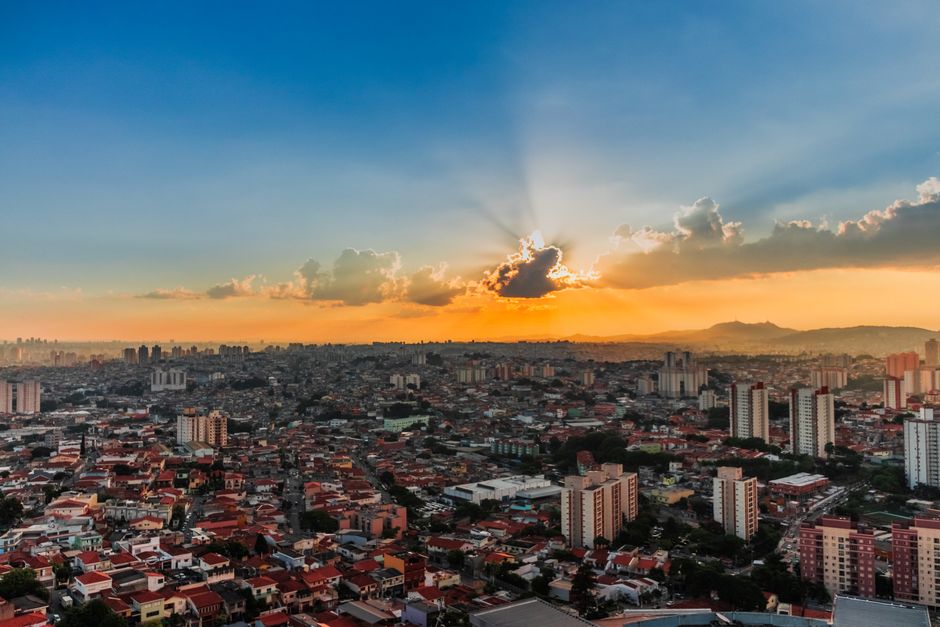
For decades, commuting across São Paulo meant surrendering hours to gridlock, overcrowded buses, and the kind of fatigue that hollows out your soul. But something genuinely shifted in the past 18 months. The city's transport ecosystem—long a source of collective anxiety—is becoming something citizens actually appreciate.
The completion of the Metro Line 6 extension to São Bernardo in 2025 removed an estimated 150,000 daily vehicles from the ABC corridor routes, a seismic change for workers crossing the industrial belt. The expansion finally connects the outskirts to Luz station, cutting commute times from 90 minutes to under 50 for thousands relying on buses through congested Imigrantes Avenue. It's tangible relief in a city where time is currency.
But the metro alone didn't spark this shift. What's genuinely reshaping how paulistas move is integration. The new unified ticketing system across Metro, CPTM trains, and bus networks—rolled out systematically through 2024 and 2025—eliminated the byzantine transfers that once felt like navigating a bureaucratic maze. A single R$4.40 fare now takes you from Vila Madalena to Guarulhos without re-entering turnstiles or calculating multiple payments.
Then there's the cyclovia expansion. São Paulo added 42 kilometres of protected bike lanes in 2025, transforming neighbourhoods like Vila Mariana and Pinheiros into genuine cycling zones. Local users report that short commutes under 5 kilometres—once guaranteed car journeys—now feel viable for the first time. Bike-share stations are proliferating: 3,200 bicycles across 320 stations as of June 2026.
Real-time data integration changed the psychological experience too. Apps now display exact arrival times for buses, metro trains, and even traffic-adjusted cycling routes simultaneously. The uncertainty—that gnawing not-knowing that defined São Paulo travel—diminished considerably. When you can see your options clearly, the journey feels manageable rather than chaotic.
Prices matter enormously in a city where working-class commuters spend 15–20 per cent of income on transport. The frozen fare at R$4.40 since 2023, coupled with expanded student and elderly discounts, provided relief during inflation. Monthly passes dropped in real terms, a minor victory in a city perpetually squeezing household budgets.
Is São Paulo's transport system perfect? Absolutely not. Summer crowding persists. Infrastructure maintenance remains inconsistent. But the trajectory feels different now—less like crisis management, more like genuine planning. For a city of 12 million, even incremental improvements in how people move reshape daily existence. That's what locals are feeling now: not paradise, but finally, measurable progress.
This article was compiled by AI from the sources linked above and screened before publishing. See our editorial standards.
How does this story make you feel?
Spread the word
About this article
Published by The Daily São Paulo
Daily brief
Free, in your inbox before 7am. Weekdays.
More in lifestyle

