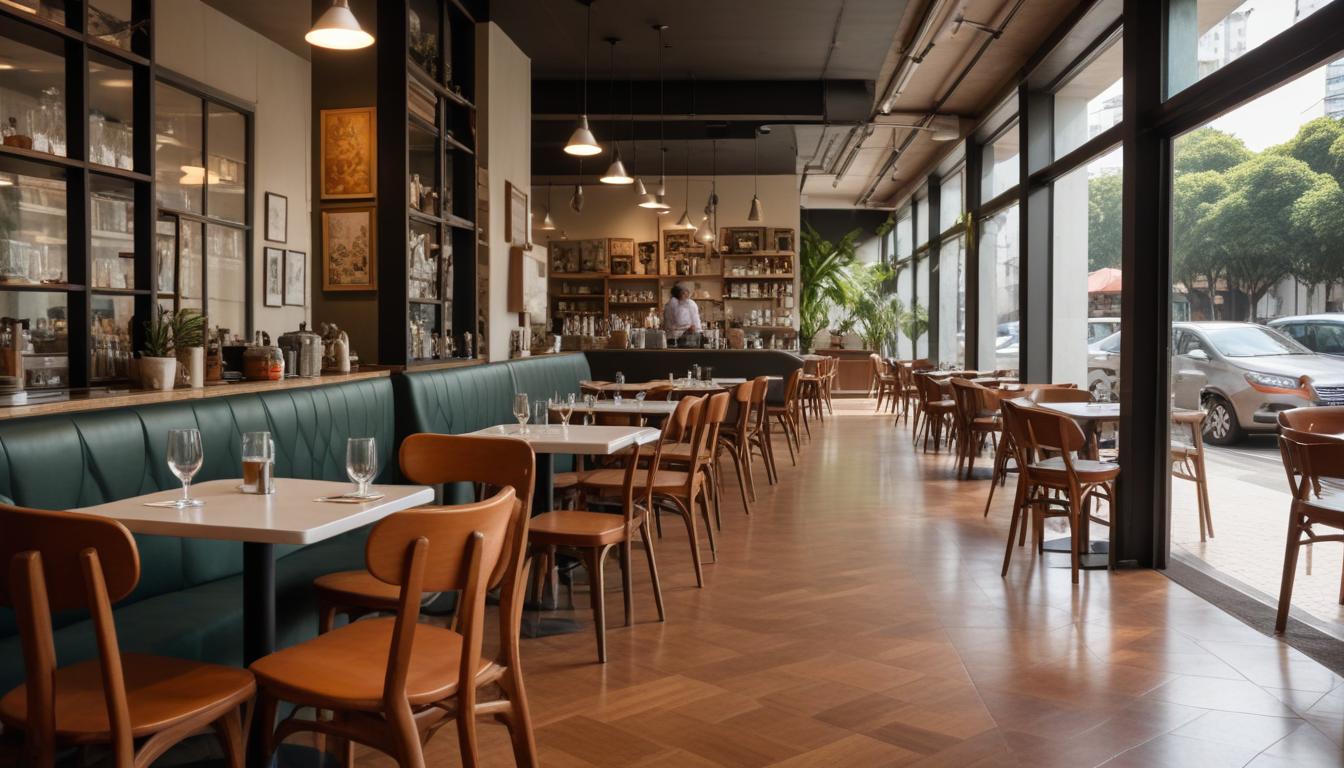
Walk down Rua Vergueiro on a Friday evening and you'll notice something has shifted in Vila Mariana. The neighbourhood that built its reputation on neighbourhood botequins and long-standing samba halls is experiencing a quiet transformation—one shaped less by demolition than by evolution from within.
For decades, Vila Mariana's nightlife followed a predictable rhythm. Office workers from nearby Ibirapuera would unwind at traditional bars, where a chopp and pão de queijo cost under R$30. The neighbourhood's music venues hosted live samba and forró acts that drew crowds well past midnight. But over the past 18 months, that landscape has begun to shift, with bars introducing QR-code ordering systems, craft beer rotations curated by sommelier-trained staff, and sustainability initiatives that would have seemed out of place five years ago.
Several established venues have undergone quiet renovations. Traditional botequins along Rua Pedroso de Morais now feature locally-sourced ingredient menus and rotating art installations. One longstanding corner bar introduced a Wednesday-night natural wine night that draws creative professionals from nearby studios in Vila Madalena—a demographic that rarely ventured to Vila Mariana before. Prices have crept upward; craft cocktails now hover around R$45-55, reflecting both inflation and a shift toward premium positioning.
What's driving this change? A combination of factors. Younger residents moving into recently renovated apartment complexes around Avenida Nove de Julho bring different expectations. The neighbourhood's proximity to cultural institutions—the Museu do Ipiranga underwent major renovation, reopening in 2021—has diversified the evening crowd beyond office workers. Social media has accelerated this shift; Instagram-worthy bars with thoughtful plating and botanical elements naturally attract different clientele than traditional chopp halls.
Yet the transformation isn't wholesale. Authentic botequins remain—there's still no shortage of places to grab a cerveja gelada and watch football on a worn television. What's changing is the balance. Established venues are experimenting with hybrid models: maintaining their core identity while offering weekend programming that appeals to younger crowds seeking experience-driven nightlife rather than mere refreshment.
The shift mirrors broader São Paulo trends: neighbourhoods aren't being erased but rather layered with new uses that coexist with traditional ones. Vila Mariana's bar scene is becoming more diverse, more documented, and increasingly caught between its working-class heritage and its emerging cultural cachet. For now, both worlds still exist on the same blocks—though perhaps not for much longer.
This article was compiled by AI from the sources linked above and screened before publishing. See our editorial standards.