Getting Around São Paulo: The Complete Cost and Access Guide Before You Go
From the Metro to micromobility, here's what you need to know about navigating Brazil's biggest city without breaking the bank.
From the Metro to micromobility, here's what you need to know about navigating Brazil's biggest city without breaking the bank.
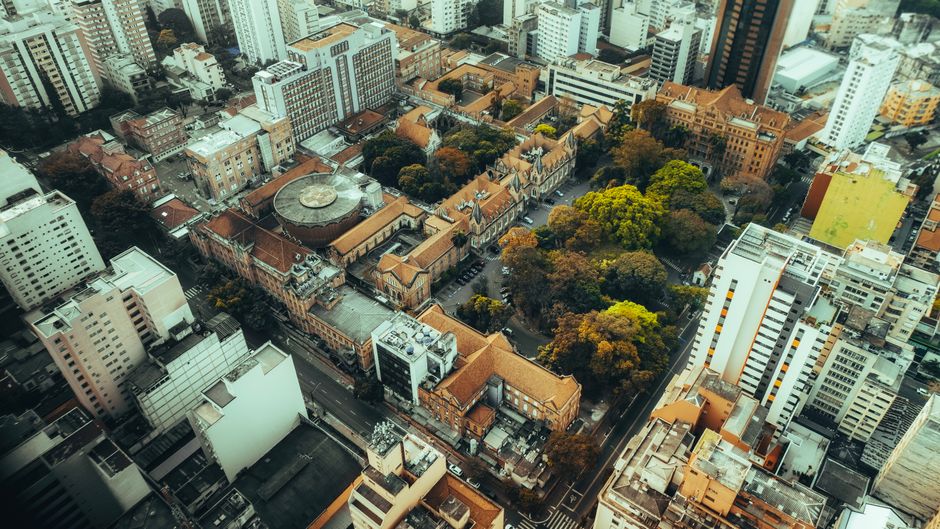
São Paulo's transport network is as complex as the city itself—sprawling across 1,521 square kilometres with over 20 million people moving through it daily. Whether you're commuting from Vila Mariana to Pinheiros or crossing the entire metropolis, understanding your options, costs, and access points can transform your experience from frustrating to fluid.
The Metro remains the backbone of São Paulo's public transport. A single journey costs R$4.40 (as of mid-2026), with discounted fares available for students and seniors. The system operates six lines spanning from Cordoba station in the north to Jabaquara in the south, with Line 15 (the monorail) offering scenic views across the eastern suburbs. Most stations accept the rechargeable Viva Card, which you can purchase at any Metro station for R$5 and top up at kiosks throughout the network. Peak hours (7-9am and 5-7pm) mean crowded trains; consider travelling slightly outside these windows if your schedule permits.
Buses cover areas the Metro doesn't reach. Standard fares are R$4.40, though express buses to distant neighbourhoods like Taboão da Serra or Guarulhos cost R$6.80-R$8.50. The SPTrans website and Moovit app provide real-time tracking—essential when navigating routes like those through the industrial zone around the Pinheiros River or the winding streets of Grajaú.
For shorter distances, São Paulo's micromobility scene has exploded. E-scooter apps like Grow and Yellow offer rides from R$2 to R$8 depending on distance, ideal for hopping between Avenida Paulista and nearby cafés in Bela Vista. Bike-sharing through Tô na Rua provides monthly subscriptions starting at R$29.90.
Taxis and ride-sharing carry higher costs but guarantee comfort. Uber and 99 rides typically range R$15-R$40 for cross-city journeys, while traditional taxis charge by meter (R$2.70 flagfall, then R$2.70 per kilometre). Night surcharges apply after 10pm.
If you're staying long-term, monthly Metro passes cost R$145.20 for unlimited journeys. Combining this with occasional e-scooter trips provides flexibility without excessive expense.
One crucial tip: download offline maps on Google Maps or Maps.me before arrival. São Paulo's neighbourhoods can feel maze-like, and mobile data isn't always reliable underground or in densely built areas. Always validate your journey on the Viva Card reader before boarding—the fines for travelling without valid payment start at R$150.
This article was compiled by AI from the sources linked above and screened before publishing. See our editorial standards.
How does this story make you feel?
Spread the word
About this article
Published by The Daily São Paulo
Daily brief
Free, in your inbox before 7am. Weekdays.
More in lifestyle

