Why São Paulo's Parks Reinvent Urban Green Space Unlike Any Other Megacity
From vertical gardens in Pinheiros to riverside restoration in the Tietê, this city proves that concrete jungles can transform themselves—and inspire the world to follow.
From vertical gardens in Pinheiros to riverside restoration in the Tietê, this city proves that concrete jungles can transform themselves—and inspire the world to follow.
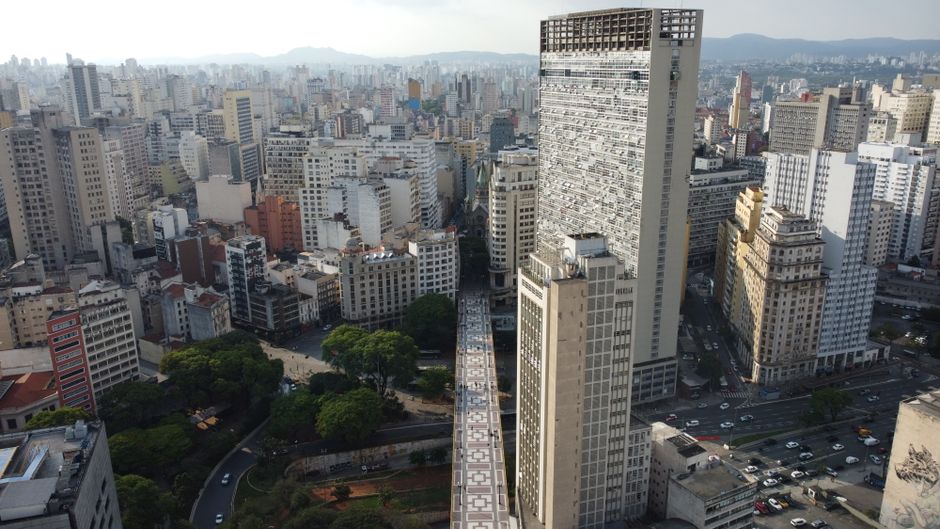
Walk through Ibirapuera Park on a Sunday morning and you'll witness something that separates São Paulo from the world's other sprawling megacities: the sheer democratic embrace of public green space. Unlike Central Park's historic prestige or Singapore's manicured corporate gardens, Ibirapuera pulses with 1.5 million monthly visitors from every corner of the metropolitan region—a living laboratory where São Paulo's inequality paradoxically dissolves beneath the same trees.
"São Paulo had to earn its greenery," explains the city's outdoor culture, which differs fundamentally from Paris or Tokyo. This metropolis of 12 million people sits atop one of Brazil's most urbanized states, yet has invested aggressively in reclaiming space. The Parque da Luz, restored in the 1990s after decades of neglect, now anchors the historic centre. Meanwhile, the ongoing revitalization of the Tietê River corridor—a massive 40-kilometre greenway project—promises to transform what was once a sewage-choked waterway into Europe-style riverside recreation.
What truly distinguishes São Paulo is its integration of green space into working neighbourhoods rather than concentrating it in affluent zones. Vila Madalena's vertical gardens and pocket parks push vegetation onto apartment facades. In Pinheiros, the Parque da Água Branca operates as both nature reserve and community hub, with educational programs that connect locals directly to environmental stewardship. The Horto Florestal in Cantareira, easily accessible by metro and bus, offers hiking trails through native Atlantic rainforest—something you won't find integrated into urban fabric in most global cities.
The economic model matters too. Entry to major parks ranges from free to minimal fees (R$15-25), making outdoor living accessible across income levels. Compare this to premium experiences in developed nations, and São Paulo's philosophy becomes clear: green space as public right, not luxury amenity.
Challenges persist. Air quality issues and unequal distribution still favour wealthy zones like Morumbi. Yet the momentum is unmistakable. The city's commitment to expanding green coverage by 3% annually, combined with grassroots initiatives like SVMA's park restoration projects, positions São Paulo as a unique model—a megacity that's choosing growth through breathing room rather than despite it.
In 2026, as global cities scramble to retrofit nature into concrete, São Paulo is already writing the script. The question isn't whether you'll find parks here. It's how a city this dense makes them feel this essential.
This article was compiled by AI from the sources linked above and screened before publishing. See our editorial standards.
How does this story make you feel?
Spread the word
About this article
Published by The Daily São Paulo
Daily brief
Free, in your inbox before 7am. Weekdays.
More in lifestyle

