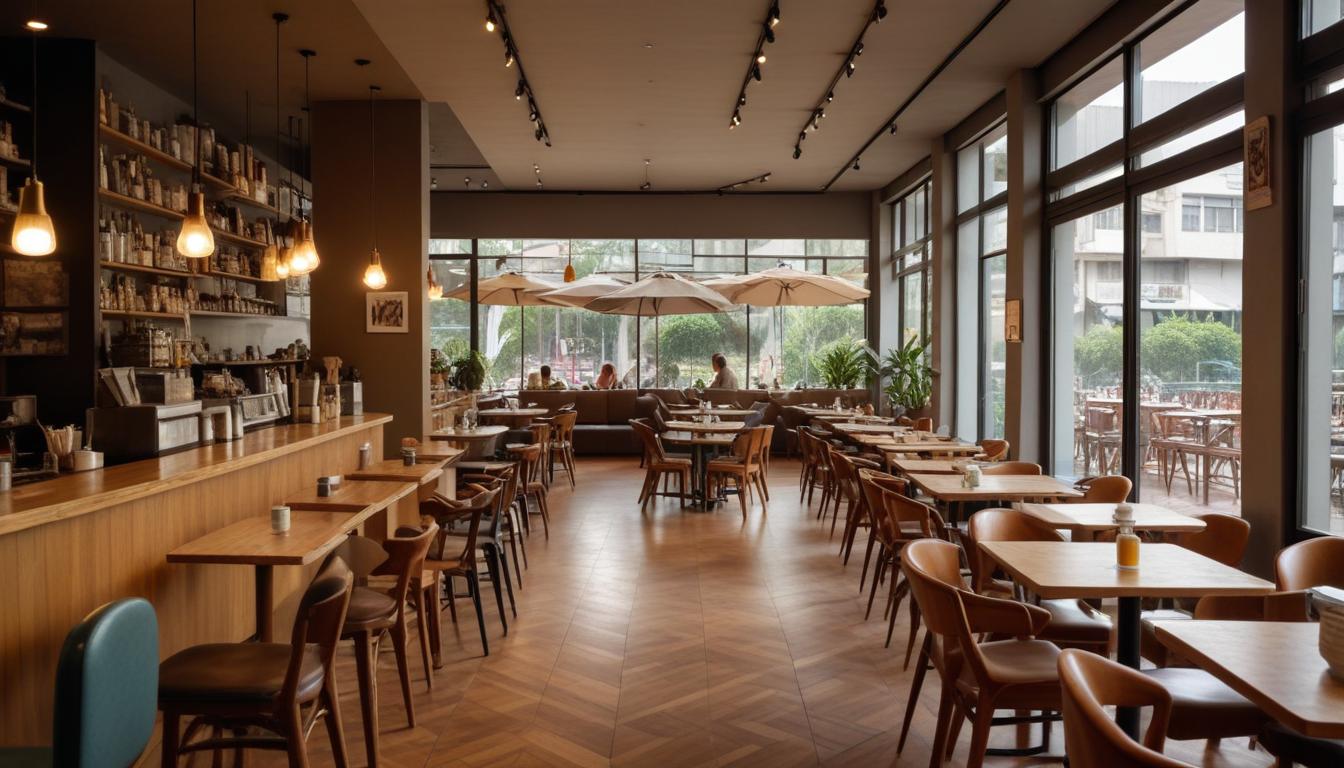
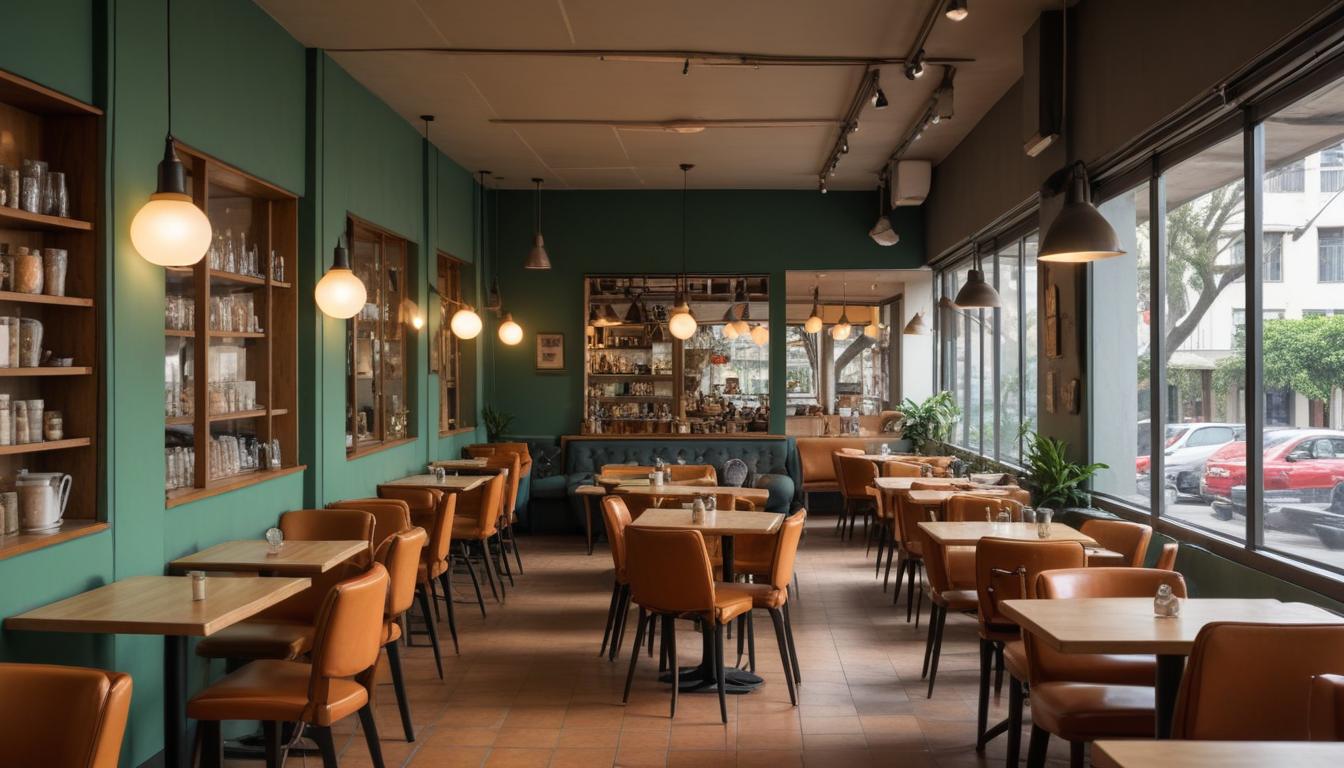
Moving to São Paulo can feel like stepping into controlled chaos. A city of 12 million people, sprawling across 1,500 square kilometres, with neighbourhoods that range from the sleek financial towers of Pinheiros to the bohemian energy of Vila Madalena, demands navigation. But ask any recent arrival what made the difference between struggling and settling, and they'll rarely cite an app or guidebook. They'll mention a person.
Take the story of community organisers in Consolação, where the Vila Mariana expat association meets monthly in cafés along Rua Augusta. Or the small business owners in Liberdade—São Paulo's historic Japanese neighbourhood—who've quietly become informal mentors to newcomers, demystifying everything from which bank offers the best international transfer rates to where to find proper butter for baking. The cost of living in central neighbourhoods like these averages 4,500 to 6,000 reais monthly for a one-bedroom apartment, and those early connections often reveal hidden gems that save thousands.
The real connective tissue, though, exists in unexpected places. At Sesc Pompéia, the sprawling cultural centre in Lapa, volunteer coordinators have spent years creating pathways for newcomers to find creative communities. The Mooca neighbourhood's growing co-working spaces host informal networks where international professionals meet Brazilian colleagues over coffee, building the relationships that transform professional isolation into collaboration.
Religious and cultural organisations play an equally vital role. The Anglican Church of São Paulo, nestled near Avenida Paulista, hosts an active international congregation. Meanwhile, organisations like ABRI (Associação Brasileira de Relações Internacionais) facilitate business and cultural exchanges that help newcomers understand São Paulo not as visitors, but as participants in its civic life.
The bureaucratic hurdles—visas, residency permits, tax registration (CNPJ)—remain genuinely complex. But repeat interviews with recent arrivals reveal a consistent pattern: the people who navigated these systems successfully found a Brazilian mentor, often through their workplace or neighbourhood association. These informal guides possessed something no relocation company could provide: lived experience of both their home culture and São Paulo's particular blend of formality and flexibility.
For those arriving in 2026, the city's infrastructure has improved markedly. The expanded Metro network reaches further into residential zones like Santo Amaro. Yet the fundamental truth remains unchanged: São Paulo's true infrastructure is human. The neighbourhoods aren't defined by their postcodes but by the people who've chosen to build lives there and chosen to help others do the same.
This article was compiled by AI from the sources linked above and screened before publishing. See our editorial standards.