Why São Paulo's Markets Outshine Global Shopping Capitals
From Rua 25 de Março's wholesale chaos to Pinheiros' design boutiques, this city blends Brazilian entrepreneurship with world-class retail in ways New York and London simply cannot replicate.
From Rua 25 de Março's wholesale chaos to Pinheiros' design boutiques, this city blends Brazilian entrepreneurship with world-class retail in ways New York and London simply cannot replicate.
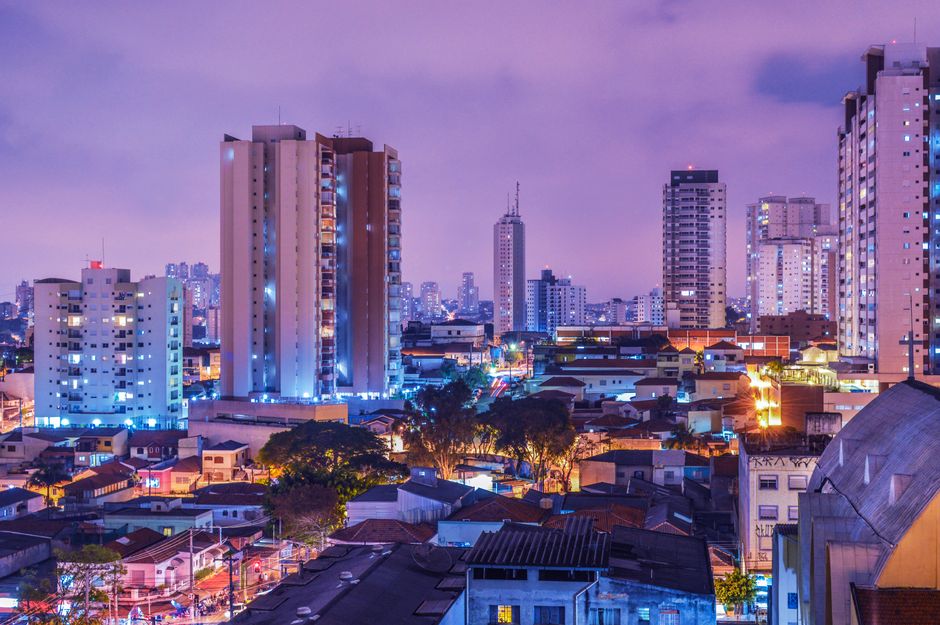
Walk through Manhattan's Fifth Avenue or London's Oxford Street, and you'll encounter polished uniformity: the same luxury brands, the same price points, the same carefully curated experience. Then venture into São Paulo's Rua 25 de Março on a Tuesday morning, and you understand why this city has become a shopping destination that defies international comparison.
This historic corridor in the Centro district pulses with an energy that transcends typical retail. Home to roughly 12,000 shops concentrated across just 1.5 kilometres, the street functions as both marketplace and economic engine—a place where a textile trader from Goiás negotiates directly with manufacturers, where a small-business owner stocks their boutique at wholesale prices unavailable elsewhere, and where ordinary Paulistas hunt for everything from fabric swatches to seasonal decorations at 40-60% below conventional retail. There's no algorithm here, no corporate inventory management. Just pure, unfiltered commerce.
What distinguishes São Paulo's retail landscape internationally is its refusal to separate luxury from accessibility. In the Vila Madalena and Pinheiros neighbourhoods, you'll discover independent designers—many trained at FAAP or Bom Retiro's textile schools—selling limited-edition pieces directly from converted warehouses and small ateliers. These aren't pop-up experiences designed for Instagram. They're permanent fixtures where a designer might spend decades building a client base through word-of-mouth alone. A bespoke leather jacket here costs roughly R$800-1,200, crafted by artisans whose techniques span generations.
The city's street markets tell another story entirely. The Zona Leste's weekend fairs, particularly around the Tatuapé neighbourhood, operate on principles closer to medieval bazaars than modern retail. Vendors arrive at 4 a.m., arrange their goods by category, and rely on reputation and repeat customers rather than marketing budgets. You negotiate. You inspect. You build relationships.
Even São Paulo's shopping malls—often dismissed globally as homogeneous boxes—contain distinctly Brazilian flavours. Iguatemi São Paulo in Av. Brigadeiro Faria Lima houses 250+ brands but maintains a curatorial philosophy that welcomes emerging Brazilian designers alongside international names. It's commerce as cultural expression, not mere consumption.
What New York and London offer is convenience and prestige. What São Paulo offers is authenticity, negotiation, and the thrill of discovery. In 2026, as global cities increasingly converge around identical retail experiences, São Paulo remains defiantly, wonderfully itself—a place where shopping is still an adventure.
This article was compiled by AI from the sources linked above and screened before publishing. See our editorial standards.
How does this story make you feel?
Spread the word
About this article
Published by The Daily São Paulo
Daily brief
Free, in your inbox before 7am. Weekdays.
More in lifestyle

