Gold Surge and Wall Street Rally Put Income Investors on Notice
A 4.1% spike in gold prices and broad US equity gains are reshuffling the dividend calculus for São Paulo shareholders exposed to commodities, banks and overseas earnings.
A 4.1% spike in gold prices and broad US equity gains are reshuffling the dividend calculus for São Paulo shareholders exposed to commodities, banks and overseas earnings.
Gold hit $4,187 per troy ounce on Friday, a single-session gain of 4.1% that rattled through the portfolios of every investor on the Bovespa with exposure to Vale, Gerdau or any of the mid-cap miners that trade on B3's São Paulo exchange. That move, combined with the S&P 500 closing at 7,483 (up 1.71%) and the Nasdaq Composite at 25,833 (up 1.87%), gave income-focused shareholders in Brazil a complicated set of signals heading into the weekend: commodity windfalls on one hand, a weaker crude price on the other, and a dollar that kept slipping against the euro.
For local shareholders whose dividend income depends heavily on commodity export revenues, the gold print matters enormously. Brazilian miners and steel producers book a meaningful portion of their earnings in dollars, then convert back to reais when paying dividends. A sustained gold rally at these levels, if it holds through the third quarter of 2026, should fatten the distributable profits of companies with gold streaming or royalty exposure. The income angle here is not theoretical. Dividends from B3-listed commodity firms have historically been the single largest contributor to total return for Brazilian retail investors holding shares through pension vehicles.
WTI crude fell 2.78% to $68.78 per barrel, which is the less welcome part of the Friday snapshot for Petrobras shareholders. The state-controlled oil company has built its entire dividend policy around a minimum quarterly payout tied to operating cash flow, which is directly sensitive to international oil benchmarks. At sub-$69 oil, analysts in the São Paulo market have been revising down their second-half payout projections for weeks. The concern is not insolvency; Petrobras carries a breakeven cost structure that remains comfortably below current prices. The concern is that its exceptional dividend yields of recent years, which drew enormous retail participation through B3 during 2024 and 2025, are becoming harder to replicate at current crude levels.
The dollar's slide against the euro, with EUR/USD at 1.1440 after a 0.47% gain, adds another layer. A weaker dollar environment tends to support commodity prices broadly, since raw materials priced in dollars become cheaper for non-US buyers. It also tends to apply pressure on the real's depreciation against the greenback, which can flatter the reais-denominated earnings of Brazilian exporters even as the dollar itself softens on international crosses. Local investors holding American depositary receipts or foreign equity funds should note that a sustained dollar retreat erodes the currency translation gains they may have banked over the past 18 months.
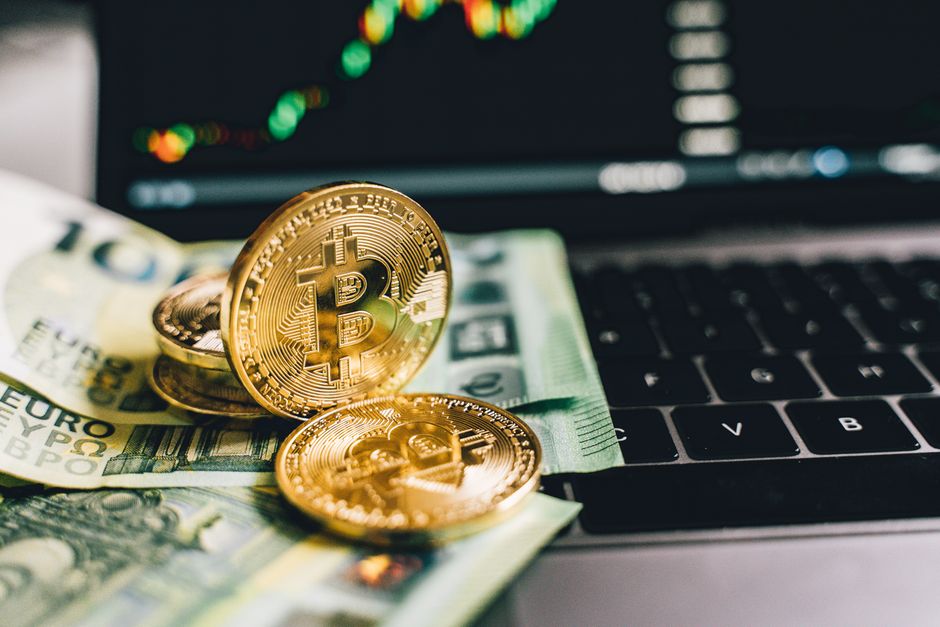
Bitcoin's 6.66% surge to $62,456 deserves a line, even in a dividend-focused wrap, because several of Brazil's larger asset managers have quietly built crypto allocations into multi-asset funds marketed to retail savers. That exposure is not a dividend story, but sharp single-day moves of this magnitude trigger rebalancing flows that can briefly drain liquidity from more conventional income instruments. Expect some volatility in Brazilian real estate investment trusts, or FIIs, on Monday as fund managers square positions.
The broader picture for income investors sitting in São Paulo is one of selective opportunity under genuine uncertainty. The gold rally rewards anyone holding royalty-linked equities or gold-backed ETFs listed on B3. The crude drop punishes Petrobras yield hunters who did not trim positions after the company's May 2026 earnings call, when management flagged sensitivity to oil prices below $70. And the strong performance of US technology stocks, particularly on the Nasdaq, reinforces the case for Brazilian pension funds that diversified internationally over the past three years; those holdings have compounded at a rate domestic fixed-income products have struggled to match even with the Selic rate at its current level.
Brazilian banks, which generate the other great pillar of dividend income on the Bovespa, sit somewhat insulated from this week's commodity moves. Itaú Unibanco, Bradesco and Banco do Brasil derive their payouts from net interest margins and credit growth, not gold or oil. With Brazilian inflation data due in the coming fortnight and the Copom meeting calendar marking August as the next rate decision, bank dividend trajectories hinge on whether the monetary policy committee signals any softening. Nothing in Friday's global snapshot changes that domestic calculus directly, but a weaker dollar environment and stronger commodity prices do tend to reduce imported inflation pressures, which gives the committee marginally more room to manoeuvre. For income investors, that is the thread worth pulling through the weekend.
How does this story make you feel?
Spread the word
About this article
Published by The Daily São Paulo
Daily brief
Free, in your inbox before 7am. Weekdays.
More in Finance


