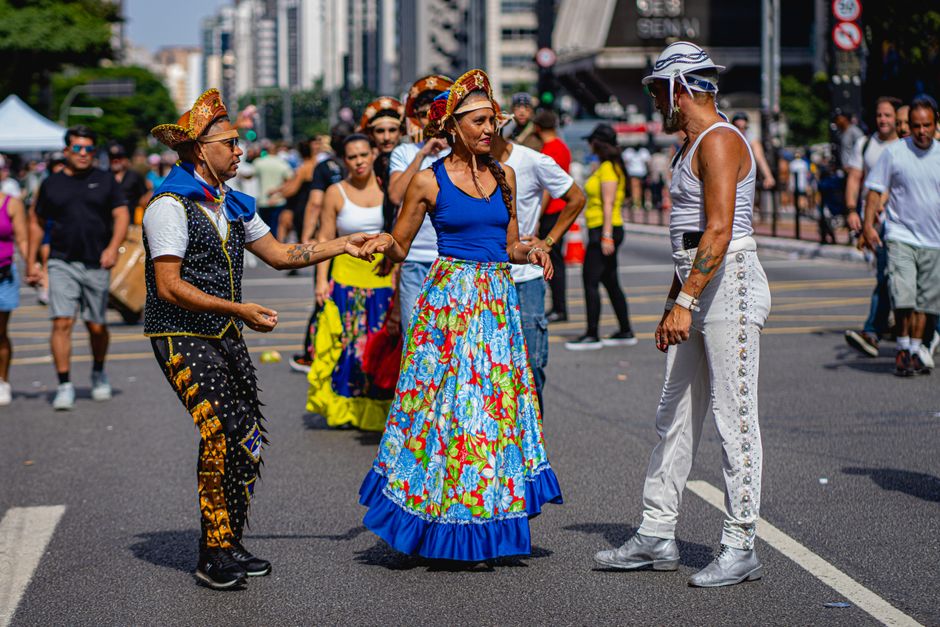
Walk down Rua Augusta on a Friday night and you'll hear it: the unmistakable pulse of São Paulo reinventing itself. The city's live music and entertainment venues have evolved from cultural afterthoughts into institutions that define how 12 million residents and countless visitors understand what it means to be paulista. This isn't nostalgia—it's revolution.
The numbers tell part of the story. São Paulo now hosts over 450 active music venues across all neighborhoods, up from roughly 300 in 2018. The Circuito Cultural Paulista, which connects venues from Pinheiros to Tatuapé, draws approximately 2 million attendees annually. Ticket prices have stabilized around R$80-150 for mid-tier shows, making live entertainment accessible to working-class audiences who might otherwise be priced out of cultural participation.
But quantification misses the deeper shift. Vila Madalena remains the traditional epicenter, with clubs like Boteco Prperzé and Casa do Manezinho hosting nightly performances that blend samba, MPB, and electronic music. Yet the real creative energy has dispersed. Zona Leste neighborhoods—historically marginalized in cultural discourse—now host festivals like Festa da Lapa and independent venues in Vila Prudente that attract emerging hip-hop, funk carioca, and experimental artists. This geographic democratization means young musicians from Itaquera aren't migrating to Consolação to be heard; they're building audiences where they live.
Pinheiros and Bom Retiro have become laboratories for cross-genre experimentation. Venues here regularly program jazz saxophonists alongside techno DJs, creating the kind of unpredictable cultural collisions that define global creative cities. The Sesc network—with venues throughout the city—has deliberately programmed Brazilian and international artists at affordable prices, positioning live music as a public good rather than luxury consumption.
What's truly distinctive is how these venues have become neighborhood anchors. They attract investment, retain younger residents, create employment, and establish identity markers. A teenager in Zona Sul now defines herself partly through which venue ecosystem she participates in. Music isn't just entertainment; it's infrastructure for belonging.
The pandemic nearly destroyed this ecosystem. Venue closures peaked at 34 percent in 2020. Recovery has been uneven—larger venues rebounded faster than intimate clubs—but the resilience suggests something fundamental: São Paulo needs live music to maintain its sense of self. As global economic instability threatens many cities' cultural sectors, São Paulo's distributed, neighborhood-rooted live entertainment network may prove more durable than the centralized models elsewhere. Here, creativity isn't concentrated in one district. It's everywhere.
This article was compiled by AI and screened before publishing. See our editorial standards.