Walk down Rua 25 de Março on any weekday and you'll witness São Paulo's identity crisis in real time. The street that once defined the city's textile trade—a district where generations of merchants built family businesses—now sees storefronts shuttering monthly. Property values have tripled in five years, pushing out longtime traders and making way for corporate chains. It's a pattern repeating across Centro, Brás, and Bom Retiro, sparking an unexpected cultural reckoning among São Paulo's residents.
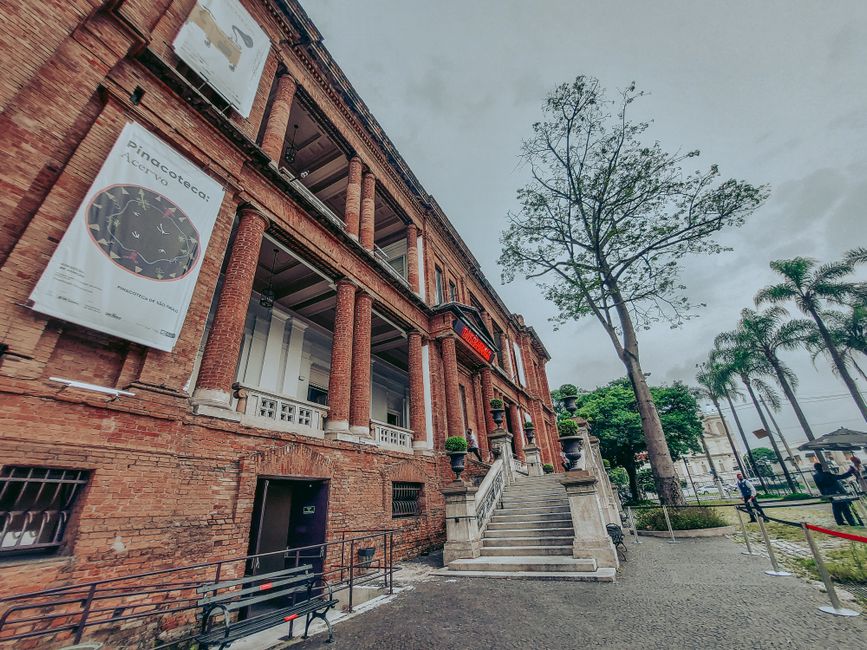
The conversation intensified this month when the Associação Viva Centro released a comprehensive report documenting 247 architecturally significant buildings in the city centre facing demolition or abandonment. The figure alarmed both preservationists and ordinary paulistas who increasingly recognise their neighbourhoods as strangers' destinations rather than lived communities. Heritage groups estimate that São Paulo loses approximately three historic buildings monthly to neglect or development pressure—a rate that accelerates each year.
"We're not arguing against progress," explains the coordinator of Instituto Tomie Ohtake's ongoing oral history project, which has collected testimonies from 600 residents across traditional commercial districts. "The issue is pace and participation. When change happens this quickly without community input, we lose the people who made these places significant in the first place."
The urgency reflects a deeper anxiety about São Paulo's character. The city's identity—built on waves of immigration, entrepreneurship, and street-level commerce—feels increasingly abstract to younger generations priced out of historic neighbourhoods. Monthly rent in Brás has jumped from R$1,200 to R$2,800 in three years for modest two-bedroom apartments. Long-term residents are displaced; their stories and expertise evaporate with them.
What's changed is visibility. Unlike previous development cycles, São Paulo's residents now document disappearance collectively. Instagram accounts dedicated to "São Paulo Que Se Foi" (São Paulo That Was Gone) attract hundreds of thousands of followers sharing photographs of demolished buildings, closed family businesses, and street scenes from decades past. The digital mourning has become political—a form of resistance that's caught the attention of municipal authorities.
City councillors recently proposed expanding the CONPRESP heritage registry, currently protecting only 2,100 properties across the municipality. Meanwhile, cultural organisations scramble for funding to accelerate documentation projects. The message is clear: São Paulo's residents want their city's transformation recorded, debated, and—increasingly—slowed down enough to save what matters.
This article was compiled by AI and screened before publishing. See our editorial standards.