Walk through the cobblestone streets of Vila Madalena on a Friday evening and you'll witness the culmination of three decades of artistic vision—but the real story lies in the quiet decisions made in studio offices and gallery back rooms, where curators and gallerists built São Paulo's art scene from near-total obscurity into a global phenomenon.
The transformation didn't happen by accident. In the 1990s, when São Paulo's art world existed largely in academic institutions and private collections, a handful of independent operators began converting abandoned industrial spaces on Rua Aspicuelta and surrounding blocks into galleries. Today, that single street hosts over 40 galleries within a few blocks, drawing an estimated 2 million visitors annually across the neighborhood.
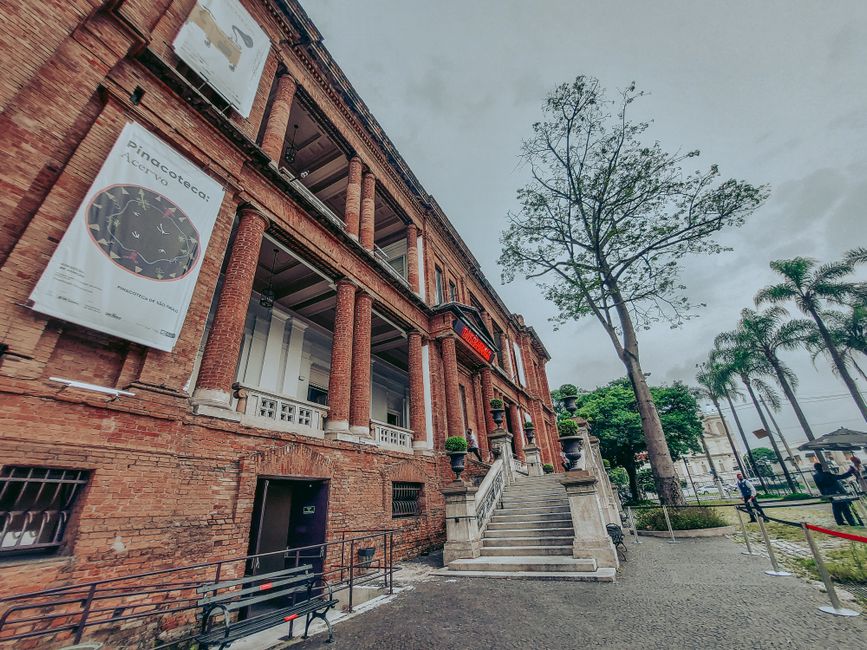
The institutional backbone emerged through determined leadership. The Pinacoteca do Estado, once a dusty repository for 19th-century canvases, underwent a radical reinvention beginning in 2010 that transformed it into a laboratory for contemporary practice. Its newly opened Estação wing in 2023 doubled exhibition capacity, housing works from more than 4,500 artists—many Brazilian names previously sidelined from major international discourse.
But the real revolution happened at street level. Independent curators and gallerists took calculated risks on emerging artists, many from São Paulo's periphery neighborhoods. Gallery Fortes Vilaça, founded in 1999, became an international powerhouse by championing experimental practices. Galeria Nara Roesler, beginning modestly in Pinheiros, now operates six spaces across the city and internationally, exporting Brazilian contemporary work to collectors in New York, London, and Shanghai.
What's striking about this ecosystem isn't just its commercial success—though the contemporary art market in São Paulo generates roughly R$2.3 billion annually—but its democratic ethos. Major institutions like SESC Pompéia and Instituto Tomie Ohtake offer free or low-cost programming, ensuring that art remains accessible beyond wealthy collectors. Street-level muralism in neighborhoods like Zona Leste has created outdoor galleries spanning kilometers.
The people behind the scenes—gallerists, conservators, independent curators, and arts administrators—rarely seek the spotlight. Yet their decisions about which artists to represent, which shows to mount, and how to interpret Brazilian cultural identity have shaped not just São Paulo's reputation, but Brazil's standing in the global art world.
That influence extends beyond opening nights. These tastemakers actively challenged narratives that positioned São Paulo as peripheral to established art centers. Today, the city's biennial attracts 600,000+ visitors, and works by São Paulo-based artists command serious prices at international auction houses. The infrastructure that made this possible—the galleries, the curatorial vision, the institutional support—emerged from people who believed São Paulo's creative energy deserved a global platform.
This article was compiled by AI and screened before publishing. See our editorial standards.