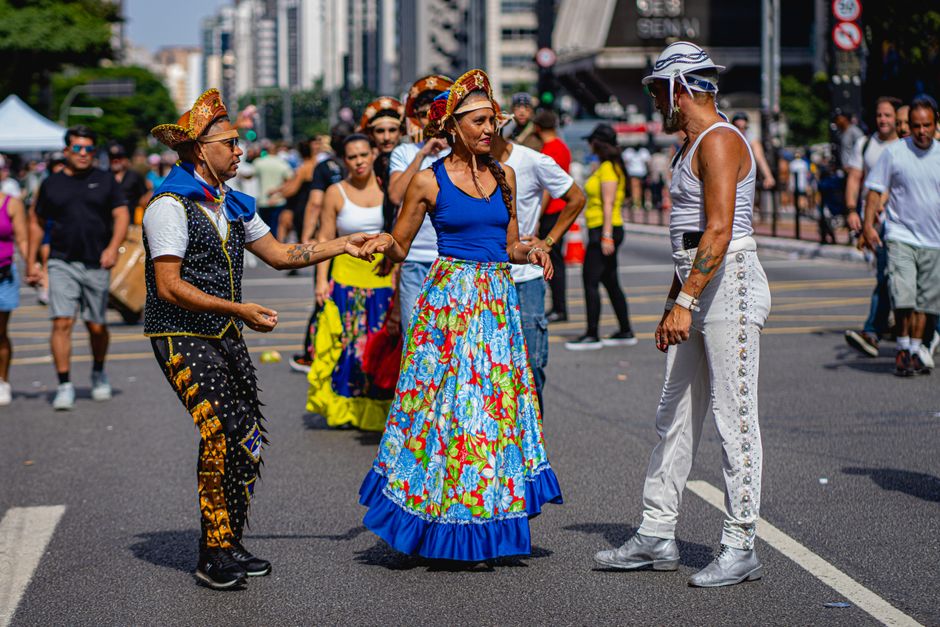
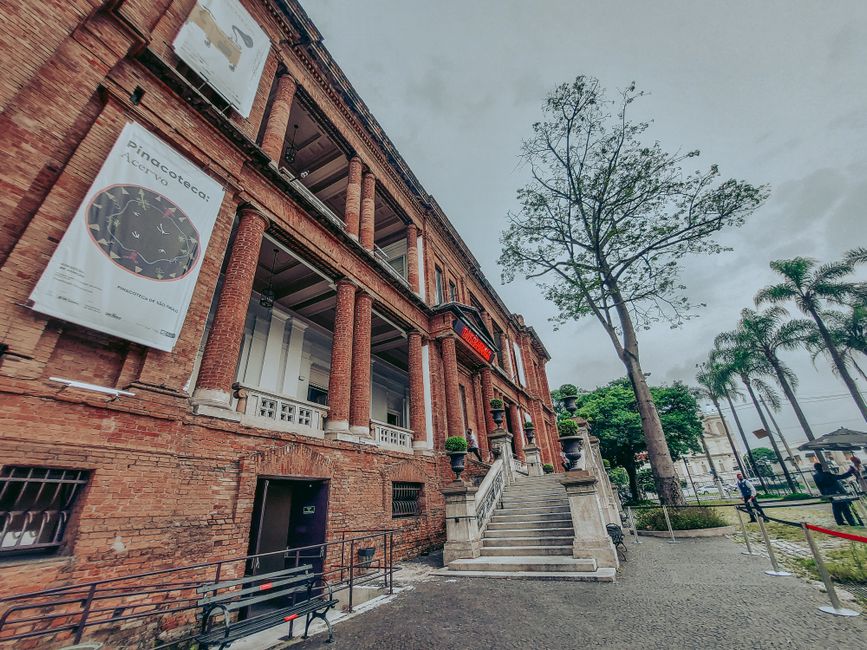
Walk through the cobblestone streets of Vila Madalena on any Thursday night and you'll encounter the unmistakable pulse of São Paulo's cultural renaissance. The neighbourhood's narrow alleyways—lined with street art, vintage bars, and converted warehouses—have become ground zero for a live music movement that extends far beyond samba and forró, encompassing everything from experimental electronic to indie rock and contemporary Brazilian composition.
This isn't accidental. Over the past five years, São Paulo has deliberately positioned itself as a destination for artists and audiences seeking authentic, risk-taking live performance. Venues like Sesc Pompéia, the sprawling cultural complex in the west zone, attract upwards of 200,000 visitors annually across its multiple performance spaces. Meanwhile, smaller clubs tucked into the Rua Augusta corridor—traditionally the city's entertainment spine—continue to foster emerging talent while maintaining an underground ethos that larger venues cannot replicate.
The numbers tell a compelling story. According to recent data from the São Paulo Tourism Board, live entertainment venues now generate approximately 850 million reais annually in direct economic activity. Concert attendance has surged 34 percent since 2022, with domestic and international artists increasingly prioritizing the city as a primary Latin American tour stop. This isn't just about commerce; it reflects something deeper about how São Paulo's identity has evolved.
What distinguishes the city's music culture is its refusal to be monolithic. On the same weekend, you might encounter a massive cumbia festival in Ibirapuera Park drawing 50,000 people, a classical music series at SESC Belenzinho, and an underground techno collective gathering in an undisclosed location in the industrial suburbs. This pluralism—this democratic approach to what constitutes legitimate performance—has become São Paulo's signature.
The infrastructure supporting this ecosystem has matured considerably. Beyond traditional concert halls, the city now boasts adaptable venues designed for flexibility: spaces that transform from gallery to nightclub to concert hall depending on the evening's programming. Investment in acoustics, lighting, and technical capacity has elevated production standards without sacrificing the gritty authenticity that audiences crave.
For a city navigating complex global currents—economic volatility, immigration pressures, questions about Brazil's cultural standing—the live music scene offers something concrete and unifying. Whether you're in Pinheiros catching an experimental jazz ensemble or in Tatuapé at a massive sertanejo show, you're participating in an act of collective identity-making. São Paulo's musicians and venues aren't simply entertaining the city; they're defining it.
This article was compiled by AI and screened before publishing. See our editorial standards.