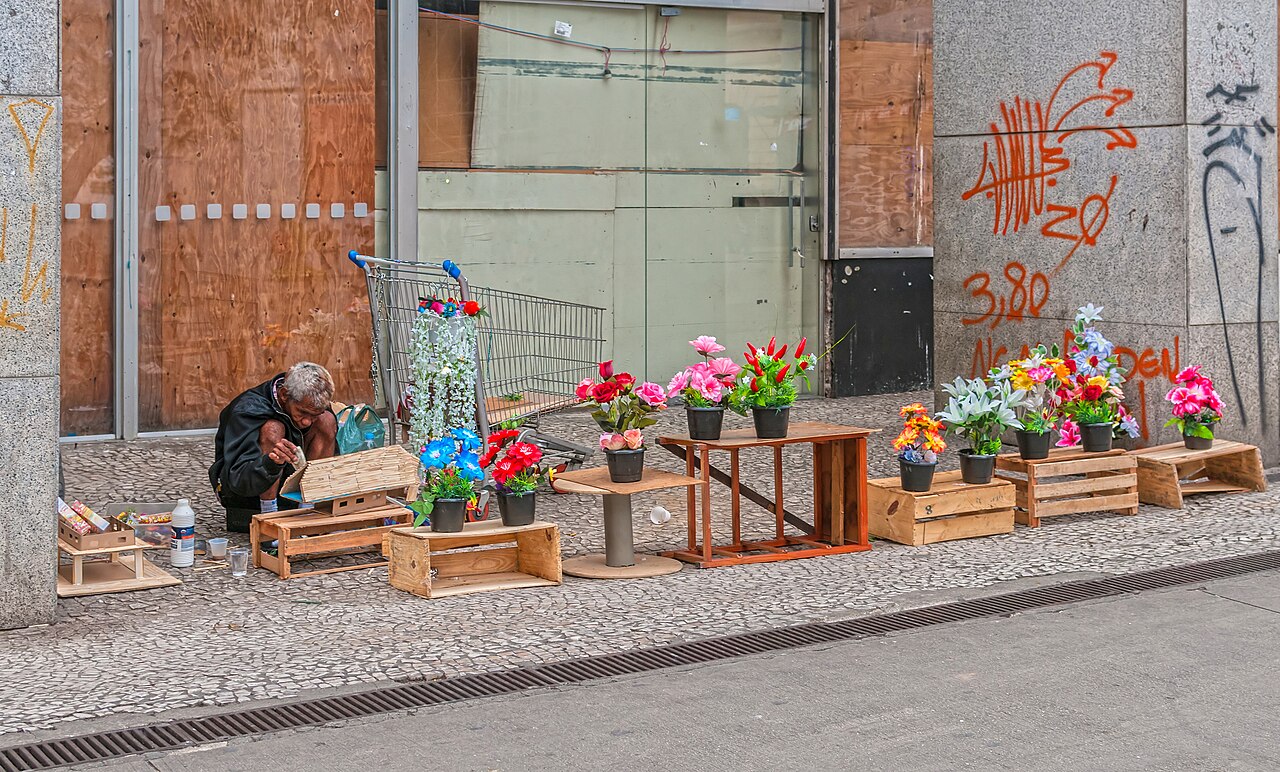
Walk through Vila Madalena on a Saturday morning and you'll see the contradiction that has São Paulo's creative community divided. Where vibrant murals once declared resistance and identity on unmarked walls, boutique galleries now sit behind cleaned brick facades, their curated street art carefully licensed and insured. The neighbourhood that defined Brazilian graffiti culture for three decades is experiencing an identity crisis—one that extends far beyond aesthetic preferences.
The shift has accelerated dramatically in the past eighteen months. Commercial rent in the district has climbed 28% since early 2024, according to local real estate data, forcing independent collectives to relocate eastward toward neighbourhoods like Tatuapé and Mooca. Meanwhile, major brands—from fashion houses to cryptocurrency firms riding Brazil's fintech boom—have begun commissioning street art as part of carefully controlled branding strategies. What locals are discussing now isn't whether gentrification is happening, but whether it signals the end of an era.
Yet the story is more textured than simple displacement. Some established artists, particularly those affiliated with collectives like Panmela Castro's social art initiatives, have negotiated positions within this new landscape. They're working with property developers and municipal authorities on projects that blend commercial viability with community engagement. The Vila Madalena Cultural Corridor, formalized last year, now coordinates between business owners and creative practitioners—a compromise that pleases neither purists nor profiteers entirely.
What's genuinely capturing conversation is the emergence of Pinheiros as an alternative hub. The neighbourhood, traditionally known for design studios and independent publishers, has become a testing ground for different approaches to street art preservation. The Rua Bandeira district there has implemented a community approval system where murals require sign-off from both property owners and neighbourhood associations, creating friction but also intentionality.
Economic data reveals the tension's material reality. Property values in creative districts have outpaced citywide averages by roughly 35% over three years. For artists, this means opportunity and threat simultaneously—higher visibility and greater earning potential, but also pressure to professionalize, permit, and ultimately conform to urban codes designed during less expressive eras.
São Paulo's street art identity has always been about claiming public space for voices otherwise excluded from galleries and institutions. Whether the current moment represents evolution or erasure depends largely on who controls the conversation—and increasingly, that's shifting from artists to architects and developers. That's what everyone's actually talking about.
This article was compiled by AI and screened before publishing. See our editorial standards.