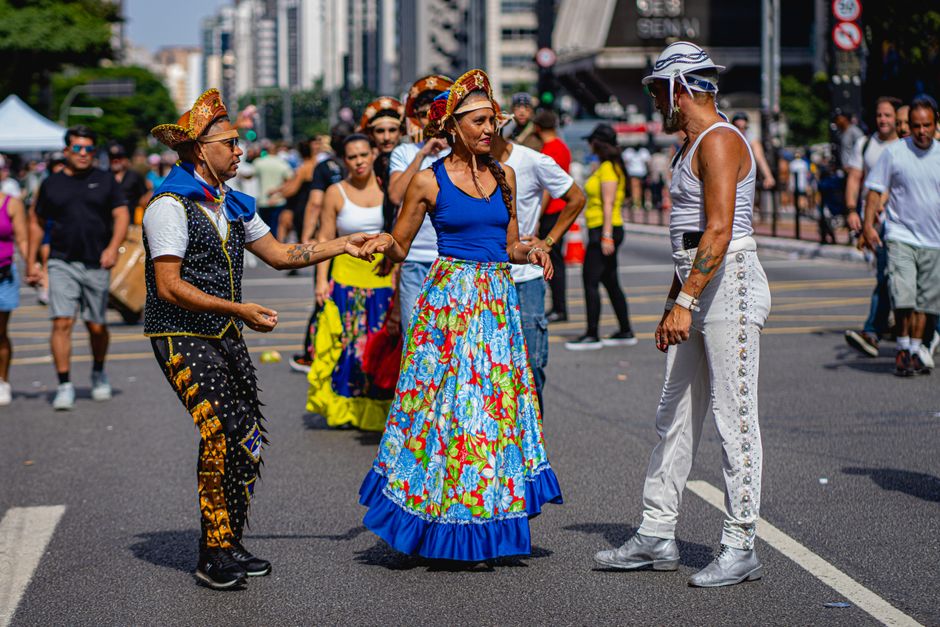
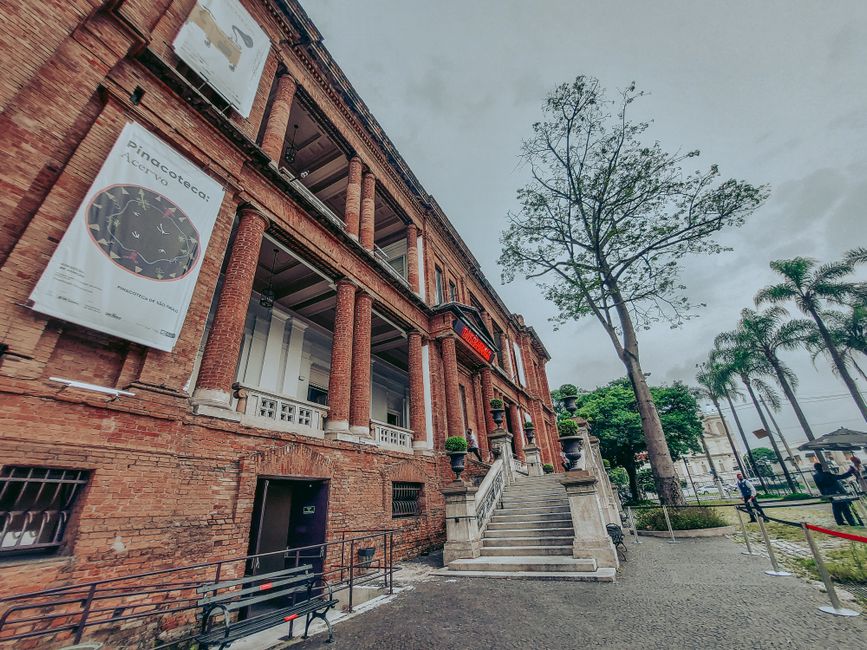
Walk through São Paulo's neighborhoods this season and you'll notice something that transcends the typical summer festival circuit. The city's cultural calendar has become less a series of discrete events and more a continuous experiment in how urban creativity actually gets made—and who gets to define it.
This July alone, the Mostra de Cinema de São Paulo returns to the Espaço Itaú in Pinheiros, drawing 60,000 attendees who treat film selection as a genuine form of cultural politics. Meanwhile, in Brás, smaller venues like Sesc Pomléia are hosting experimental music collectives that would struggle to find homes in more commercially-driven cities. The contrast isn't incidental; it's foundational to how São Paulo now sees itself.
The numbers tell part of the story. According to data from São Paulo's Secretaria de Cultura, the city hosts approximately 800 significant cultural events annually—nearly three per day. That density matters. It means emerging artists don't need to wait for permission structures; they create alongside established institutions. Vila Mariana's independent galleries coexist with the SESC network. Street art collectives present alongside São Bienal in the same civic moment.
What's shifting is the philosophical underpinning. A decade ago, São Paulo's cultural identity was often presented as a contrast to Rio's extroversion or Brasília's monumentalism. Today, the city is asserting something harder to articulate: a commitment to perpetual creative friction. The Virada Cultural, which extends programmed events across 24 hours each November, has evolved from a gimmick into a genuine statement about accessibility—performances in Zona Leste venues receive equivalent investment to those in wealthy neighborhoods.
The economic reality is messier than the rhetoric. Rising venue costs in central areas like República mean some independent producers are migrating to less-established neighborhoods, which creates both opportunity and precarity. Yet this churn itself has become structurally important. São Paulo's creative identity increasingly depends on this constant negotiation between establishment and insurgency.
Conversations with organizers across the city reveal a shared sense that the festival calendar functions as a form of collective identity-building. It's not merely about entertainment. When a small theater in Tatuapé presents experimental theater alongside commercial offerings, when street festivals in Itaquera draw comparable attendance to central venues, the city is making statements about who belongs and whose visions matter.
As global cities consolidate around cultural tourism formulas, São Paulo's relentless, somewhat chaotic festival ecology represents something rarer: a city still arguing with itself about what culture should be. That argument—visible across hundreds of events annually—may be the most authentic reflection of the city's identity available.
This article was compiled by AI and screened before publishing. See our editorial standards.