Vila Madalena Street Art: São Paulo's Underground Art History
Discover how Vila Madalena's pioneering artists transformed São Paulo's cultural identity through murals and street art since the 1980s.
Discover how Vila Madalena's pioneering artists transformed São Paulo's cultural identity through murals and street art since the 1980s.
Listen to this article · 3:30
Walk down Rua Aspicuelta in Vila Madalena today and you'll encounter a street museum: murals stacked upon murals, each layer telling a different story of São Paulo's creative evolution. But few visitors know that this open-air gallery didn't emerge from city planning initiatives or corporate sponsorship. It grew from the determination of a handful of artists who, in the 1980s and 1990s, saw urban decay as a canvas rather than a problem.
The transformation began quietly. While São Paulo's financial centre expanded southward and Av. Paulista became synonymous with corporate power, Vila Madalena remained overlooked—a neighbourhood of modest houses, small bars and affordable studio space. Artists like Alex Vallauri, who pioneered pixação-inspired murals in the 1970s, and later collectives operating from converted warehouses along Rua Fidalga, recognised opportunity where city officials saw blight. They worked without permits, without budgets, driven by the conviction that public space belonged to creators, not just commerce.
By the early 2000s, these underground efforts had accumulated into something undeniable. Vila Madalena became synonymous with street art authenticity at precisely the moment when São Paulo was positioning itself as a creative capital competing with Barcelona, Berlin and Mexico City. Today, the neighbourhood attracts an estimated 2.3 million visitors annually—many specifically seeking the cultural experience these artists pioneered.
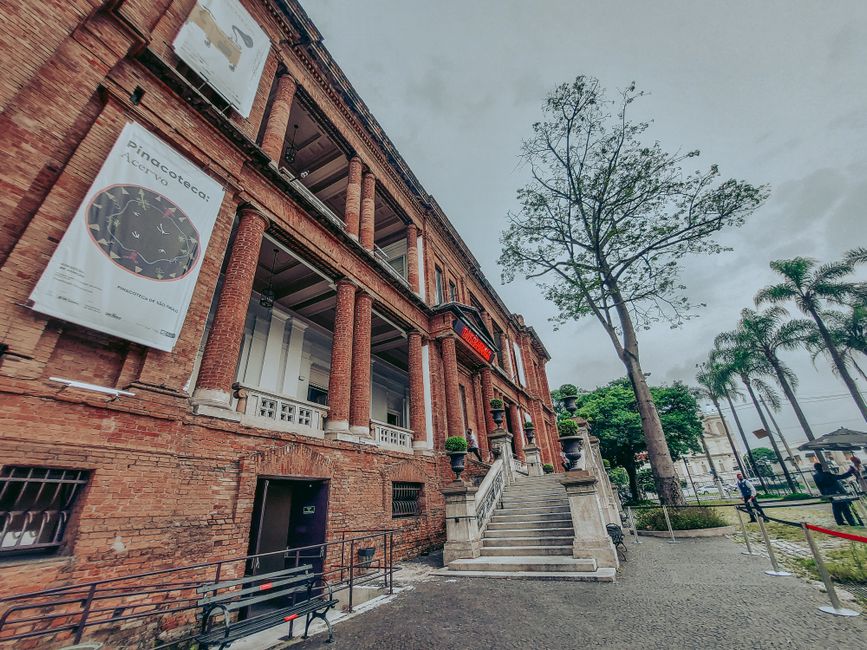
Yet the architects of this transformation remain largely uncredited. Many original practitioners have moved on or passed away. Those remaining often express ambivalence about commercialisation: the neighbourhood they revitalised now hosts boutique hotels and restaurants with €25 plates. The Instituto Moreira Salles and Pinacoteca do Estado, while crucial to São Paulo's museum culture, represent institutional gatekeeping that early street artists explicitly rejected.
Today's conversation about Vila Madalena's future reflects deeper questions about cultural identity in São Paulo. Can a neighbourhood preserve the grassroots spirit that created it while accommodating inevitable economic pressure? Can the city honour its artistic pioneers without reducing their work to heritage tourism?
These questions matter because Vila Madalena's story isn't unique to São Paulo—it's the template repeated globally when cities discover that authentic culture attracts investment. Understanding who built this scene, and at what cost to themselves, is essential before celebrating what it became.
This article was compiled by AI and screened before publishing. See our editorial standards.
How does this story make you feel?
Spread the word
About this article
Published by The Daily São Paulo
Daily brief
Free, in your inbox before 7am. Weekdays.
More in culture