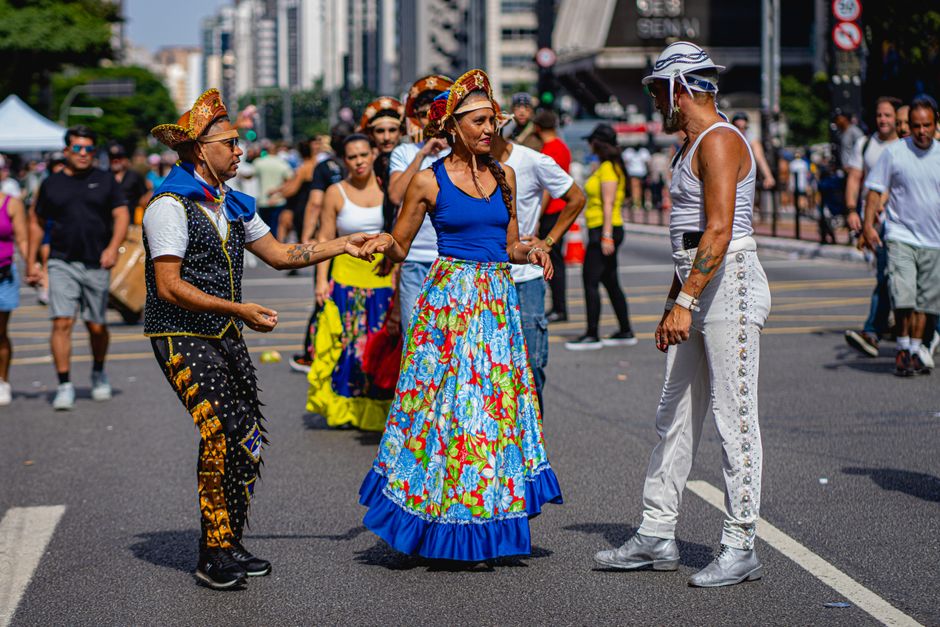
Walk through Vila Madalena on any given weekend and you'll encounter a cultural landscape that barely existed five years ago. What started as informal gatherings in converted warehouses along Rua Fidalga has evolved into a organized movement: independent collectives now program more cultural events across São Paulo's neighborhoods than many official institutions.
The shift reflects a broader tension reshaping the city's festival calendar. Traditional events—long dominated by corporate partnerships and concentrated in the centro histórico—are now competing for attention and resources with thousands of grassroots initiatives scattered across peripheral neighborhoods. Organizations like Coletivo Ocupação and Rede de Produtores Culturais have collectively registered over 340 community events this year alone, with attendance averaging 400-800 people per event, according to data compiled by the Secretaria de Cultura e Economia Criativa.
"The democratization isn't just rhetoric," explains the growing infrastructure supporting these movements. Independent venues in Pinheiros, Lapa, and Brás now operate on cooperative models, with collective ticket-sharing arrangements that return 60-70 percent of proceeds directly to organizing communities. Average ticket prices hover around R$25-40, substantially below corporate festival pricing that regularly exceeds R$150 for single-day access.
The movement reflects deeper demographic shifts. Younger cultural workers—particularly those priced out of traditional creative industries—have built alternative networks. The Circuito Periférico, a confederation of neighborhood-based festival organizers, now coordinates programming across 14 distinct zones, from Itaquera to Osasco, ensuring cultural events reach beyond São Paulo's historically privileged central areas.
This year's calendar reveals the transformation's scope. June's Vila Mariana independent film festival drew 2,300 attendees across four neighborhoods. The ongoing Festa da Diversidade series in the LGBTQIA+ community now runs year-round rather than concentrated in single events. Street performance collectives have formalized into the Associação Paulista de Artistas de Rua, now recognized by the prefecture and securing municipal funding.
Yet tension persists. Established cultural institutions worry about fragmentation and sustainability concerns loom over collectives dependent on volunteer labor. Some fear gentrification will follow these grassroots movements, pricing out the very communities driving this shift.
Nevertheless, the momentum is unmistakable. São Paulo's cultural calendar has fundamentally inverted: periphery-led initiatives now set the city's rhythm rather than responding to center-based programming. Whether this community-driven model proves sustainable will define the city's cultural trajectory for years ahead.
This article was compiled by AI and screened before publishing. See our editorial standards.