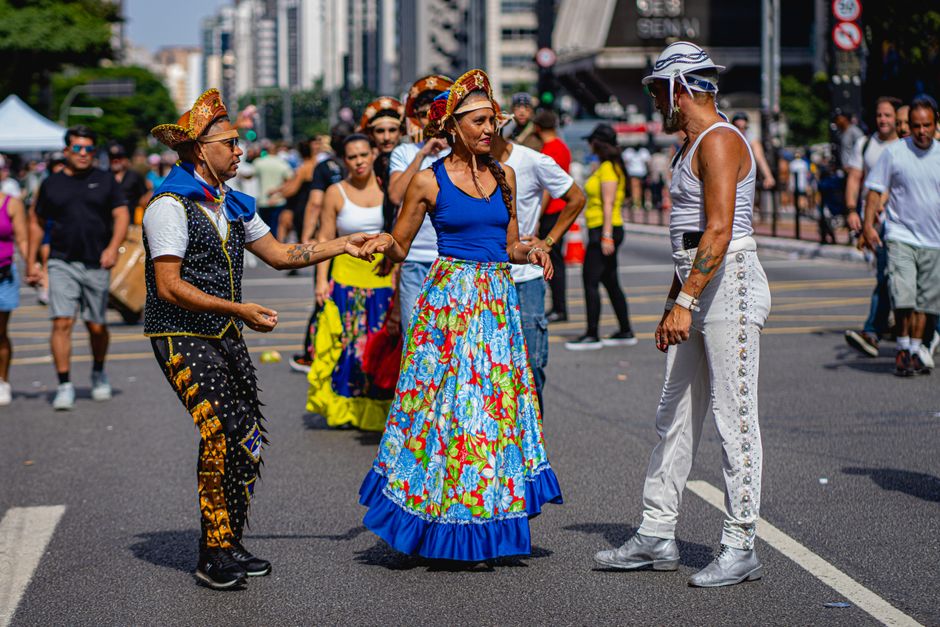
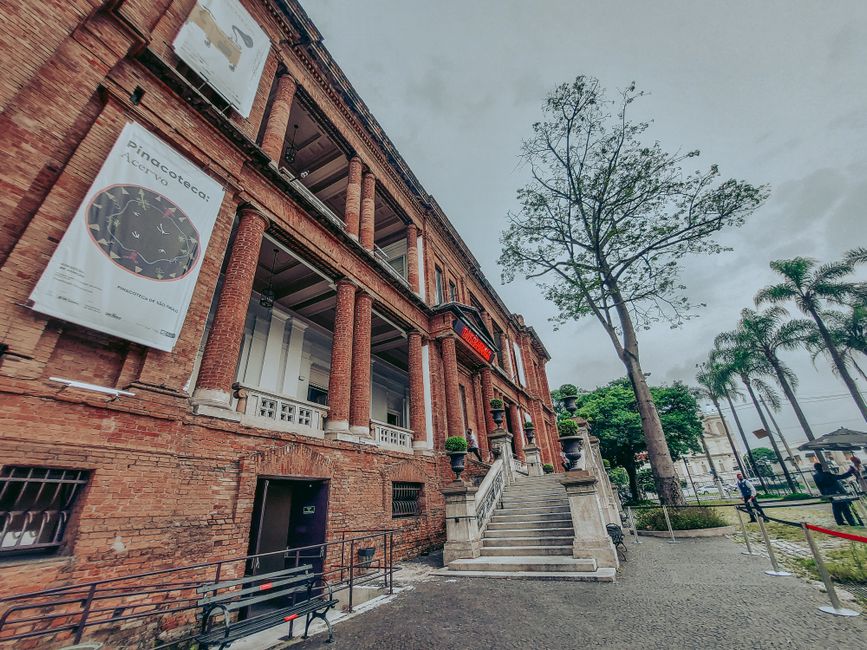
In 2019, when Marina Souza and four friends rented a 200-square-meter warehouse on Rua Girassol in Vila Madalena for R$1,200 a month, they had no business plan, no sponsorship deals, and no certainty their idea would outlast the first weekend. Today, Festa Autômoma occupies the entire Parque da Água Branca for three consecutive days each July, drawing 12,000 people and generating enough revenue to sustain year-round programming across São Paulo's independent music scene.
What distinguishes Festa Autômoma from the city's increasingly corporate festival landscape—where major events like Rock in Rio operate under international management structures—is its refusal to scale beyond community capacity. The festival's founding collective, still numbering just nine core members, makes decisions by consensus rather than profit margin. When streaming giant offers arrived in 2023 and 2024, the collective declined them, fearing the commercial framing would fundamentally alter the festival's character.
The economic model reflects this ethos. Tickets cost R$180 for single days and R$420 for three-day passes—roughly half the price of comparable São Paulo events. Yet the festival operates sustainably through what its finance coordinator calls "radical transparency": a publicly available budget breakdown showing that 34% of revenue returns to performing artists, 28% covers venue and infrastructure, and the remaining funds support year-round mentorship programs for emerging musicians across Zona Oeste neighborhoods.
The turning point came in 2022, when the collective moved from Vila Madalena to partner with smaller venues across Pinheiros and Bom Retiro, eventually securing the Água Branca location. Each venue addition followed the same principle: local artists were asked what infrastructure they needed, rather than the collective imposing a top-down vision.
This approach has consequences. The 2024 edition faced criticism from some attendees for programming choices that prioritized underrepresented genres over marquee names. Yet attendance grew 34% year-over-year, suggesting the model resonates with a São Paulo audience increasingly fatigued by standardized festival experiences.
As the collective plans a winter edition and explores satellite events in Campinas and Santos, members acknowledge the precariousness of their position. One co-founder works a day job at a nonprofit. Another teaches music production. The festival exists in the margins of São Paulo's cultural economy, yet it may represent something the city's arts infrastructure increasingly needs: a model where the people making culture also control its economic and creative direction.
This article was compiled by AI and screened before publishing. See our editorial standards.