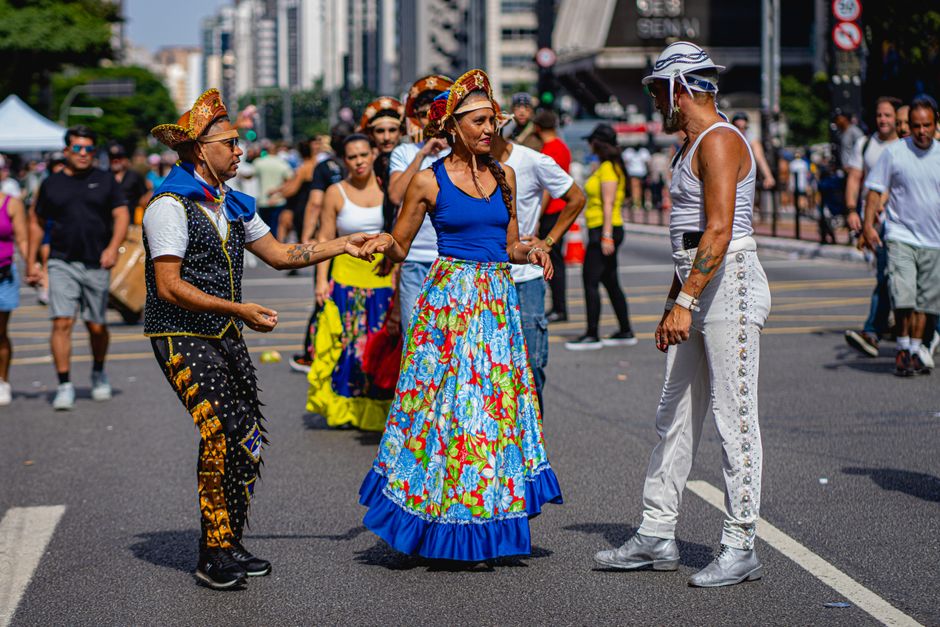
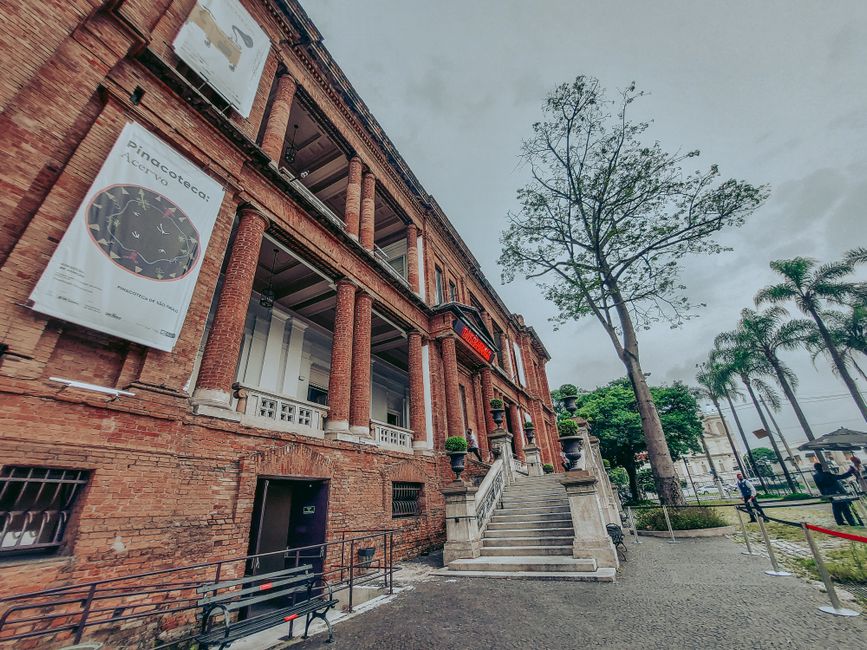
Walk through the Vila Madalena on a Friday evening and you'll notice something that didn't exist five years ago: makeshift cinema halls in converted warehouses, pop-up theatres in community centres, and neighbourhood groups curating their own film seasons. This isn't gentrification-driven revitalization—it's a grassroots cultural insurgency that's fundamentally reshaping how São Paulo experiences performing arts.
The shift accelerated during the pandemic, when traditional venues shuttered and working-class neighbourhoods like Sapopemba, Grajaú, and Itaquera discovered they could produce their own cultural programming. Today, collectives such as Cineclube da Periferia have grown from informal living-room screenings to attracting audiences of 200+ people monthly. Meanwhile, independent theatre groups operating in spaces like the converted factories of Brás are charging R$20-30 per ticket instead of the R$60-80 standard in established theatres—a 60-70% reduction that's opened attendance to demographics traditionally priced out.
The numbers tell a compelling story. According to a 2025 survey by the São Paulo Arts Council, 43% of theatre-goers in peripheral neighbourhoods now access performances through community organisations rather than commercial venues. Production costs have plummeted too: neighbourhood-based theatre companies report spending 40% less on overhead by sharing warehouse spaces and pooling technical resources across multiple groups.
What distinguishes this movement from nostalgic revival is its explicit mission: these aren't middle-class preservationists seeking authenticity, but residents asserting the right to cultural participation on their own terms. Young directors and performers from Zona Leste are no longer treating the historic theatres of Avenida Paulista as the primary destination. Instead, they're building alternative infrastructure—street theatre networks, cooperative film distribution systems, and artist collectives that cross-pollinate between dance, cinema, and live performance.
The Centro Histórico has become another unlikely hub. Once associated solely with commerce and administration, spaces like the reclaimed theatres around Pça da Sé now host experimental cinema programming and collaborative performances curated by residents, not programmers in glass offices. Rent negotiations with building owners increasingly include cultural agreements rather than purely commercial terms.
This transformation challenges the traditional model where São Paulo's cultural capital concentrates in affluent zones. By distributing resources, expertise, and infrastructure across neighbourhoods, the movement is creating something more resilient than any single institution: a democratized cultural ecosystem where participation isn't determined by postal code or purchasing power.
This article was compiled by AI and screened before publishing. See our editorial standards.