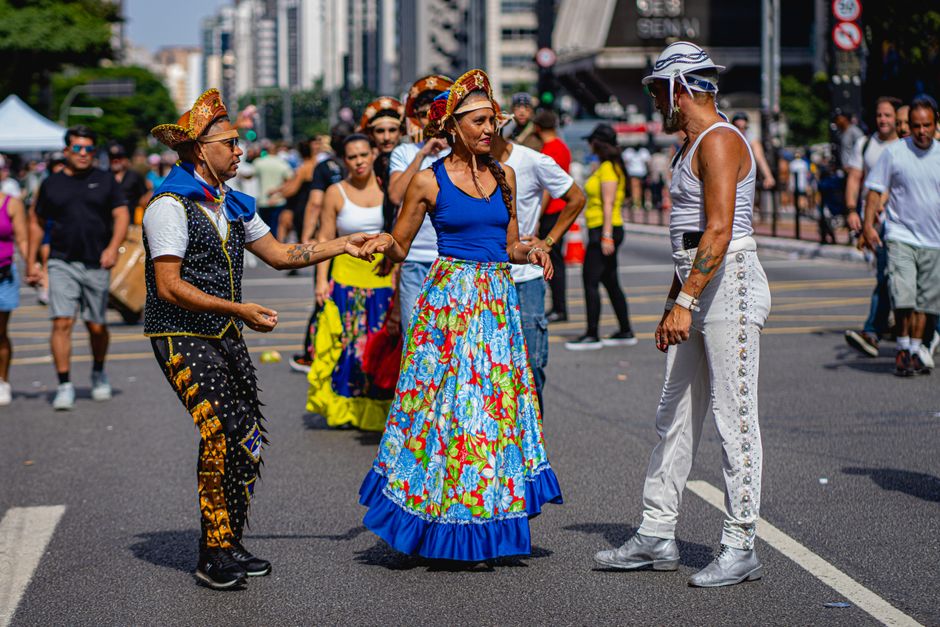
Walk through Vila Madalena on a Friday evening and you'll witness something that transcends the simple act of eating. The neighbourhood's narrow streets—crowded with galleries, vintage shops, and murals—pulse with the energy of a city interrogating its own identity through food. This isn't accident. São Paulo's explosive restaurant culture has evolved from a status symbol into the city's primary creative arena, a space where artists, entrepreneurs, and communities negotiate belonging, innovation, and memory.
The shift is unmistakable. A decade ago, fine dining in São Paulo meant reproducing European techniques in Jardins; today, the most influential culinary voices operate in converted warehouses across Pinheiros and Bom Retiro, where chef-entrepreneurs blend technical rigour with street food traditions, Indigenous ingredients, and immigrant heritage. This democratisation of prestige has fundamentally altered how the city understands itself.
Consider the economics. According to the São Paulo Tourism Board, the city now hosts over 12,000 registered bars and restaurants, with approximately 40 percent operating in neighbourhoods beyond the traditional wealthy districts. Average spending per person in Vila Madalena venues hovers between R$80–150, while Bom Retiro's expanding food corridor offers substantial meals for R$40–70. This accessibility matters culturally: it means younger artists, designers, and musicians—the city's traditional creative class—can afford to gather, collaborate, and build community around food.
The narrative is particularly powerful in Bom Retiro and Brás, historically immigrant neighbourhoods now experiencing culinary renaissance. Korean, Lebanese, Chinese, and Peruvian restaurateurs have transformed these areas into destinations, their menus functioning as living archives of diaspora and adaptation. When a Syrian chef opens a restaurant metres from a Korean supermarket in Bom Retiro, the space itself becomes a statement about São Paulo's complicated, productive multiculturalism—something the city's visual and performing arts have articulated for decades, but rarely through food.
What's emerging is a city where creative identity flows through flavour and technique rather than inherited wealth or institutional gatekeeping. Young chefs from peripheral neighbourhoods are opening restaurants in central locations; established artists are collaborating with cooks on immersive dining experiences; communities are using food to document and celebrate their own histories.
This matters beyond culinary circles. In a global moment of increasing polarisation, São Paulo's restaurant culture models something essential: a framework for belonging that doesn't require assimilation, where difference becomes the raw material for innovation. The city's creative identity—always hybrid, always contested—has finally found a space large and capacious enough to contain it completely. That space happens to smell like caldo verde, pad thai, and grilled beef.
This article was compiled by AI and screened before publishing. See our editorial standards.